
Last Updated on February 27, 2026
Tortuguero National Park Costa Rica: What's Covered
Tortuguero National Park protects 77,000 acres of rainforest, canals, and Caribbean beaches on Costa Rica’s northern coast — accessible only by boat or small airplane. The park is the Western Hemisphere’s most important green sea turtle nesting site (July-October), with canal boat safaris offering year-round sightings of sloths, monkeys, caimans, and 300+ bird species including the endangered Great Green Macaw. Most visitors stay 2-3 nights in eco-lodges or village accommodation and reach Tortuguero via La Pavona dock (2.5-3 hour drive from San José airport, then a 1-1.5 hour boat ride) or domestic flights (25 minutes).
Quick Facts:
- Boat-only access from La Pavona dock (~$8/person) or Sansa Airlines flights ($100-120+)
- Park entrance: $15 + tax, open 6 AM–6 PM daily, tickets via SINAC
- Turtle nesting: Green turtles Jul-Oct, Leatherbacks Mar-May — September is peak month
- 2-night all-inclusive packages run $140-300+ per person including transport, meals, and tours
- Pack rain gear, bug repellent, and cash in colones — Tortuguero’s single ATM is unreliable
Top 3 Tortuguero Experiences:
- Sunrise Canal Safari — Boat through rainforest waterways at 6 AM spotting sloths, caimans, howler monkeys, and toucans in Costa Rica’s “Little Amazon”
- Night Turtle Tours — Guided beach walks during July-October to witness endangered greens nesting, with strict conservation protocols and certified guides
- Kayak the Motor-Free Zones — Paddle restricted canal sections in complete silence for the closest wildlife encounters available anywhere in the park
Tortuguero pairs perfectly with Caribbean coast beach towns like Puerto Viejo and Cahuita for a complete east coast itinerary. Drive to La Pavona, park your car, enjoy the canals, then continue your road trip down the coast.
If you need any help with a Costa Rica car rental, contact us now!
Tortuguero National Park is absolutely worth visiting — but only if you understand what you’re signing up for. This 77,000-acre wilderness on Costa Rica’s northern Caribbean coast has no roads. None. You reach it by boat or small airplane, sleep in jungle lodges surrounded by canals, and navigate a waterway system that earned it the nickname “Costa Rica’s Little Amazon.” It’s the most important green sea turtle nesting site in the Western Hemisphere, home to all four of Costa Rica’s monkey species, and one of the few places on earth where manatees, jaguars, and Great Green Macaws share the same ecosystem.
The catch? Tortuguero requires more planning than drive-up parks like Manuel Antonio or Arenal. You can’t just show up. But for travelers willing to embrace the logistics, Tortuguero delivers wildlife encounters and raw jungle immersion that no other Costa Rican destination can match.
Key Takeaways
- 2-3 nights is the sweet spot — enough for canal tours, a night walk, and turtle watching (in season) without feeling rushed
- No road access — boats from La Pavona (1-1.5 hours) or flights from San José (25 minutes) are your only options
- Turtle nesting season runs from July to October — September is the peak for both nesting mothers and hatching babies
- Budget $140-300+ per person for packages including transport, lodge, meals, and tours
- Rain is guaranteed — Tortuguero gets 200+ inches annually, so pack waterproof everything regardless of when you visit
- The canals are the main attraction year-round — turtles get the headlines, but the waterway wildlife is exceptional 365 days a year

How Many Days Do You Need in Tortuguero?
Most visitors spend 2-3 nights, and that’s genuinely the right amount. Tortuguero village is tiny — about 400 meters of main strip connecting the boat dock to the park entrance — and the activities, while incredible, are focused.
A typical 2-night itinerary looks like this: arrive by early afternoon on day one, take an afternoon canal boat tour when wildlife is active. Day two starts with a sunrise canal tour (the absolute best time for sightings), followed by hiking the park trails, exploring the village, and doing a night walk or turtle tour. Day three wraps with a morning kayak trip before catching the boat back.
Three nights adds breathing room — time to revisit canals at different hours, hike Cerro Tortuguero for panoramic views of the canals and coastline, kayak the restricted motorboat-free zones where the silence is almost eerie, and simply absorb the atmosphere of a place where howler monkeys serve as your alarm clock.
Staying just one night is possible, but feels rushed. You’ll arrive mid-afternoon and leave the next morning, getting maybe one canal tour and missing the magic of dawn on the water.
How Do You Get to Tortuguero?
This is where Tortuguero filters out the casual tourists — and rewards the ones who plan ahead. Since there are no roads connecting to the park or village, every visitor arrives by water or air.
What’s the Boat Route Like?
The most common approach starts with driving to La Pavona dock in the northern Caribbean lowlands. From San José (SJO airport), it’s roughly 2.5-3 hours by car to La Pavona through Guápiles and Cariari — a straightforward drive on paved highways through banana plantations and lowland rainforest.
At La Pavona, you leave your vehicle in the secure parking lot (around $12/day) and board a public boat for the 1-1.5 hour ride through the canals to Tortuguero village. Public boats run throughout the day from 6 AM to 4:30 PM, costing approximately $8 per person each way. The boat ride itself is half the experience — you’ll spot wildlife along the canal banks before even reaching the park.
If you’ve got a rental car for exploring other parts of Costa Rica, the La Pavona route works perfectly. Drive yourself to the dock, park securely, and pick up the car when you return. Many travelers combine Tortuguero with the Caribbean coast towns — visiting Puerto Viejo or Cahuita before or after the Tortuguero leg.
Should You Book a Package Tour Instead?
All-inclusive Tortuguero packages ($140-300+ per person for 2 nights) handle every detail: ground transportation from San José, the boat transfer, lodge accommodation, meals, canal tours, and often a turtle tour in season. If logistics stress you out, this is the move. Pachira Lodge, Evergreen Lodge, and Mawamba Lodge all run well-organized packages.
The trade-off is flexibility. Packages run on set schedules and often include specific lodges. Independent travelers who arrange their own transport and accommodation get more control over timing and can sometimes find better deals on budget options in the village itself.
What About Flying to Tortuguero?
Domestic flights from San José take just 25 minutes on small Sansa Airlines planes — turning a half-day journey into a quick hop with aerial views of the rainforest canopy. Flights run $100-120+ one-way, and the 30-pound luggage limit means packing light. Weather cancellations happen, especially during afternoon storms, so morning flights are more reliable.

What is the Main Attraction of Tortuguero National Park?
Ask ten people, and you’ll get two answers: the sea turtles and the canals. Both deserve the spotlight.
What Makes the Canal System So Special?
Tortuguero’s canal network is what earns the “Little Amazon” comparison. These interconnected waterways — some natural, some dug by the government in the 1970s — wind through dense rainforest, mangroves, and wetlands. Boat tours are essentially floating safaris through a living tunnel of green.
Early morning tours (starting at 6 AM when the park opens) consistently deliver the best wildlife sightings. The water is calm, animals are active, and the light filtering through the canopy creates an atmosphere you won’t find at any other Costa Rica national park. Common sightings include three-toed sloths draped over branches, howler monkeys crashing through the canopy, white-faced capuchins grooming each other along the banks, spectacled caimans basking on logs, Jesus Christ lizards sprinting across the water’s surface, and river otters hunting in the shallows.
Birders hit a different level here. Tortuguero shelters 300+ bird species, including the critically endangered Great Green Macaw — one of only about 500 remaining in Costa Rica. Keel-billed toucans, boat-billed herons, green kingfishers, and tiger herons are regular sightings from the boat.
What’s the Best Month to See Turtles in Costa Rica?
Tortuguero’s fame started with turtles, and the nesting spectacle remains one of Costa Rica’s most powerful wildlife experiences. Four species nest on the park’s 22 miles of beaches, but timing matters.
Leatherback turtles nest from March through May. These are the giants — the world’s largest turtle species, reaching 6 feet long and 1,500+ pounds. Fewer visitors come during this window, so sightings feel more intimate.
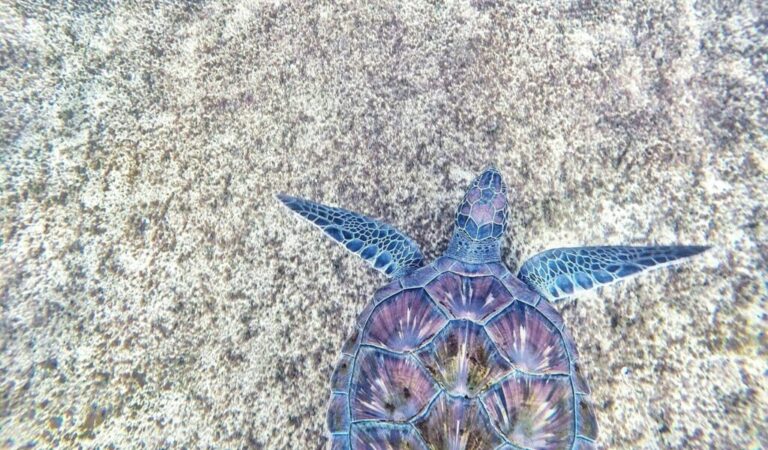
Green sea turtles nest from July through October. This is the main event. Thousands of endangered greens return to Tortuguero’s beaches — the single most important nesting site for this species in the Western Hemisphere. September and October deliver the highest density, with the bonus of baby turtles hatching from earlier nests simultaneously.
Hawksbill turtles nest sporadically from July to October alongside the greens.
Turtle tours are strictly regulated: nighttime only, with certified guides, red-filtered flashlights (regular light disorients turtles), dark clothing required, and no cameras. Tours run $20-35 per person, lasting 2-3 hours. The experience of watching a 300-pound green turtle haul herself up the beach, dig a nest, lay 100+ eggs, cover them, and return to the ocean is genuinely unforgettable.

Can You Swim in Tortuguero, Costa Rica?
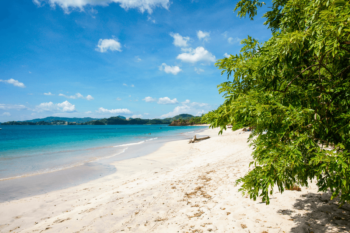
Technically, yes, but practically it’s complicated. Tortuguero’s Caribbean beaches face strong currents and powerful waves that make swimming dangerous — there are no lifeguards, and the undertow is serious. Most locals and guides advise against ocean swimming here.
The canals and rivers aren’t swimming spots either, thanks to the resident caiman and crocodile populations. Tortuguero is fundamentally a wildlife observation destination, not a beach vacation. If you want Caribbean beach swimming, combine Tortuguero with a few days in Puerto Viejo or Cahuita afterward, where calm reef-protected beaches are perfect for snorkeling and swimming.
Some of the larger lodges (Mawamba, Evergreen, Pachira) have swimming pools — a welcome feature after humid jungle hikes.
Can You Stay in Tortuguero National Park?
You can’t camp or sleep inside the park boundaries, but accommodation options surround it. Lodging falls into two categories.
Village lodging includes hostels ($15-30/night), cabinas ($40-80/night), and small hotels within the 400-meter main strip. These put you within walking distance of restaurants, shops, and the park entrance. Budget travelers and independent visitors tend to stay here.
Eco-lodges sit along the canals outside the village, accessible only by their own boats. Pachira Lodge, Evergreen Lodge, Mawamba Lodge, and Tortuga Lodge represent the higher-end options ($150-350/night or as part of packages). These properties border the park itself, meaning wildlife literally wanders through the grounds. Many include meals, tours, and transfers in their rates.
Both options work well — it depends on your budget and how much you want logistics handled for you.
Which Is Better: Tortuguero or Manuel Antonio?
This comparison comes up constantly, and the honest answer is they serve completely different purposes. Manuel Antonio is Costa Rica’s most accessible wildlife park — 3 hours from San José on paved roads, with beaches you can swim at, trails suitable for families with small kids, and guaranteed sloth and monkey sightings in a compact, developed area.
Tortuguero is the opposite in almost every way: remote, canal-based instead of trail-based, no swimmable beaches, and requiring significantly more planning. But the wildlife density is arguably higher, the ecosystem is completely unique, and the experience feels genuinely wild rather than managed.
If you have a one-week trip, choose one. If you have two weeks, do both — they complement each other perfectly since they’re on opposite coasts with completely different ecosystems.
What to Be Cautious About in Tortuguero?
Tortuguero isn’t dangerous, but it demands respect and preparation.
Weather: This is one of the wettest places in Costa Rica, receiving 200+ inches of rain annually. Rain jackets, waterproof bags for electronics, and quick-dry clothing aren’t optional — they’re essential. Even during the “driest” months (September-October, which are ironically turtle season), expect daily downpours.
Insects: Mosquitoes are aggressive, particularly at dawn and dusk. Bring repellent with DEET or picaridin, and consider long sleeves for canal tours when the air is still.
Cash: Tortuguero village has one ATM, and it’s unreliable. Bring plenty of Costa Rican colones — colones get better prices than US dollars at local businesses. Budget extra for tips (guides, boat captains, lodge staff) and any activities not included in your package.
Sun: The equatorial sun is brutal, especially reflecting off the water during canal tours. High-SPF sunscreen, a hat, and sunglasses are non-negotiable.

What Should You Wear to Tortuguero National Park?
Pack for heat, humidity, and rain — simultaneously. The climate hovers around 85-90°F (29-32°C) with extreme humidity year-round. Lightweight, quick-dry clothing in neutral colors (dark greens, browns, blacks) works best for both comfort and wildlife viewing. Bright colors can startle animals on canal tours.
For footwear, waterproof hiking sandals or rubber boots handle the muddy trails. Many lodges rent rubber boots — worth asking about before buying your own. Closed-toe shoes with a good grip are essential for the park trails, especially after rain.
For turtle tours specifically, dark clothing is mandatory. Red and white are prohibited because they disturb nesting turtles. Guides will enforce this.
What Is There to Do in Tortuguero Beyond Turtles?
The canal wildlife steals the show, but there’s more depth to Tortuguero than most visitors expect.
What Happens on a Tortuguero Night Walk?
Guided night walks ($20/person) reveal an entirely different ecosystem. Poison dart frogs glow under flashlights, red-eyed tree frogs pose on leaves, tarantulas emerge from burrows, and kinkajous move through the canopy overhead. It’s one of the best night wildlife experiences in Costa Rica.
Is Kayaking Worth It?
Absolutely — and it might be Tortuguero’s most underrated activity. Certain canal sections are restricted to non-motorized boats only, meaning kayaks and canoes have access areas that no other visitors reach. The silence is extraordinary. Without engine noise, you hear every bird call, every splash, every branch cracking under a monkey’s weight. Rentals run $10-15/hour; guided kayak tours cost $25-40.
What About Cerro Tortuguero?
This 119-meter hill on the edge of the park offers the only elevated viewpoint in the area. The 2-hour round-trip hike is steep and can be muddy, but the summit reveals a 360-degree panorama of canals, rainforest, the Caribbean coastline, and on clear days, the volcanic peaks of the Central Highlands. A guide isn’t required, but helps with wildlife spotting along the trail.
What’s in the Sea Turtle Conservancy Visitor Center?
The Sea Turtle Conservancy — the world’s oldest sea turtle research organization, founded in Tortuguero in 1959 — operates a small but excellent visitor center and museum in the village. Exhibits cover turtle biology, conservation history, and Tortuguero’s role in saving green sea turtle populations from near-extinction. Entry is around $2. If you’re not visiting during nesting season, this provides meaningful context for understanding why Tortuguero exists as a protected area.

How Does Tortuguero Fit Into a Bigger Costa Rica Trip?
Tortuguero works best as a 2-3 day segment within a larger itinerary. The most common combination pairs Tortuguero with Caribbean coast beaches — spend 2 nights in Tortuguero’s canals, then drive south along the coast to Cahuita’s coral reefs and Puerto Viejo’s surf breaks for a completely different Caribbean experience.
Another popular routing: Arenal volcano → Tortuguero → Caribbean coast, creating a loop through the northern lowlands. From La Fortuna, you can arrange shuttles directly to the La Pavona dock.
The smart logistics play? Rent a car for the portions of your trip where driving makes sense — the Central Valley, Pacific coast, and volcano regions — and use the package or public boat system for the Tortuguero leg. Park your car at La Pavona, enjoy the canal experience, then pick it back up and continue your road trip down the Caribbean coast.
This approach gives you maximum flexibility where roads exist and zero stress where they don’t. If you need help planning the logistics, contact our team — we’ve helped thousands of travelers piece together multi-region Costa Rica itineraries that include Tortuguero without the headaches.
What Questions Do Visitors Ask About Tortuguero?
Q: Do I need cash in Tortuguero?
A: Yes. The village has one ATM that frequently runs out of cash or malfunctions. Bring enough colones for your entire stay plus a buffer. Budget for park entrance ($15), tours ($20-40 each), meals if not included in a package ($8-15 per meal), tips, and souvenirs.
Q: What is the #1 tourist attraction in Costa Rica?
A: Manuel Antonio typically claims the top spot by visitor numbers, but Tortuguero ranks as the third most-visited national park and offers a completely different — many say more authentic — wildlife experience.
Q: What is the top predator in Tortuguero?
A: Jaguars. Tortuguero supports one of Costa Rica’s healthiest jaguar populations, and camera traps regularly capture them patrolling the beaches at night — particularly during turtle nesting season when eggs and hatchlings provide easy meals. Seeing one is extraordinarily rare, but knowing they’re there adds a genuine wildness to the experience.
Q: What is the prettiest town in Costa Rica?
A: Tortuguero village won’t win beauty contests — it’s rustic and functional. But the setting is spectacular. If you want a charming Caribbean atmosphere, combine your Tortuguero visit with Puerto Viejo, which blends reggae culture, colorful architecture, and stunning beaches.
Q: What cities should you stay away from in Costa Rica?
A: Tortuguero is safe for travelers. The remote location and small community create a naturally secure environment. General safety advice for Costa Rica applies everywhere: don’t leave valuables unattended and be aware of your surroundings in larger cities.
Q: Is Tortuguero open all year?
A: Yes. The park operates daily from 6 AM – 6 PM, 365 days a year. Entrance is $15 for foreigners (purchase online through SINAC). Turtle season gets the most attention, but the canal wildlife and rainforest experience are exceptional year-round.
Q: Which is the nicest beach in Costa Rica?
A: Tortuguero’s beach is ecologically important but not a leisure beach. For swimmable Caribbean beaches, head to Playa Cocles near Puerto Viejo or Playa Blanca in Cahuita after your Tortuguero visit. On the Pacific side, Playa Conchal and Manuel Antonio’s beaches consistently rank among the country’s best.