
Last Updated on January 19, 2026
Boat Tours from Playas del Coco: What's Covered
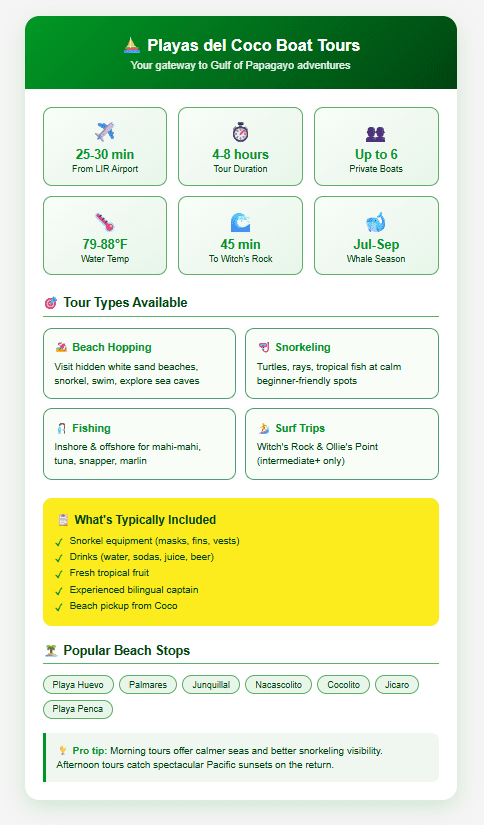
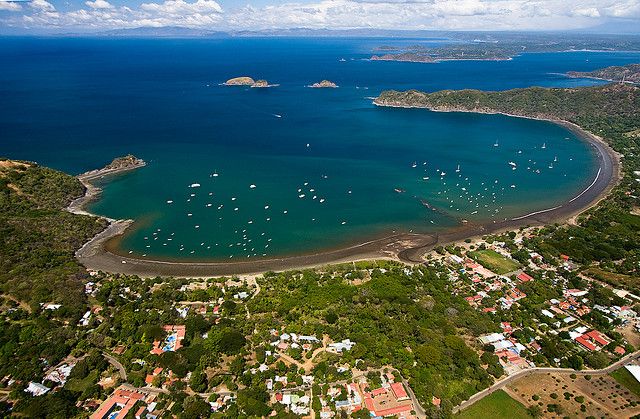
Playas del Coco sits in a protected cove in the Gulf of Papagayo, but the real magic happens when you leave the main beach behind. Just around the corner from Coco’s dark sand shores lie some of Costa Rica’s most stunning white sand beaches—pristine stretches accessible only by boat, where you might be the only people on the sand for hours. Private boat tours unlock this hidden coastline, taking you beach hopping through crystal-clear waters where dolphins swim alongside and humpback whales breach during migration season (July-September and December-March). Whether you’re snorkeling with sea turtles, fishing for mahi-mahi, or surfing world-famous Witch’s Rock, a boat day from Coco delivers experiences you simply can’t get from shore. Half-day tours run 4 hours ($300-500 for private groups), full-day tours last 6-8 hours.
Quick Facts
- Location: Just 25-30 minutes from Liberia Airport on fully paved roads
- Tour Duration: Half-day (4 hours, morning 8 AM-12 PM or afternoon 2-6 PM with sunset); full-day (6-8 hours)
- Hidden Beaches: Playa Huevo, Palmares, Junquillal, Nacascolito, Cocolito, Jicaro—accessible only by boat
- Snorkeling Highlights: Sea turtles, tropical fish, rays, reef sharks in calm beginner-friendly waters with 20-30 feet visibility
- Whale Watching: Humpback whales migrate July-September (southern populations) and December-March (northern populations)
- What’s Included: Captain/crew, snorkeling equipment, life jackets, drinks (water, sodas, juice, local beer), fresh fruit
- Best Season: Year-round; dry season (December-April) for calmest seas, green season (May-November) for best snorkeling visibility and fewer crowds
Top 5 Boat Tour Tips
- Book Private Tours for Hidden Beach Access – Private charters let you control your itinerary and visit secluded white sand coves where you’ll have beaches entirely to yourselves; shared catamaran tours follow fixed schedules stopping at crowded spots with 5-10 other boats during high season
- Time Tours for Specific Wildlife – Morning departures (8 AM) offer calmest seas and active dolphins; August-September peaks for mother-calf humpback whale pairs; May-November brings best mahi-mahi fishing—captains adjust routes when whales spotted in area
- Pack Reef-Safe Sunscreen and Waterproof Protection – Wear swimsuit under clothes for easy water entry; bring reef-safe sunscreen (protects marine life), hat, sunglasses, towel, waterproof camera case—leave valuables at hotel since you’ll be in/out of water constantly
- Combine with Day Trips from Playas del Coco – Use Coco as base for boat days plus land adventures; drive 1 hour to Rincón de la Vieja for ziplining and hot springs, 2 hours to Rio Celeste waterfall, or explore nearby Playa Conchal and Hermosa beaches
- Skip Witch’s Rock Unless Intermediate-Advanced Surfer – 45-minute boat trip to legendary break inside Santa Rosa National Park requires solid skills; powerful waves suit experienced surfers only—beginners should book surf lessons in Tamarindo (1 hour south) instead
Boat tours offer genuine Gulf of Papagayo experiences perfect for travelers exploring Guanacaste. The location serves as ideal base for marine adventures, making it valuable for beach enthusiasts and adventure seekers. Many travelers combine Coco with La Fortuna/Arenal (2.5-3 hours) or continue to Tamarindo and other Guanacaste beaches. For building comprehensive itineraries, check our one-week and two-week plans. Standard sedans handle paved roads to Coco fine; 4×4 from Vamos recommended only if continuing to remote Nicoya Peninsula destinations like Nosara or Santa Teresa during green season. Access from Liberia Airport takes just 25-30 minutes, making Coco one of Costa Rica’s easiest airport-to-beach transfers.
If you need any help with a Costa Rica car rental, contact us now!
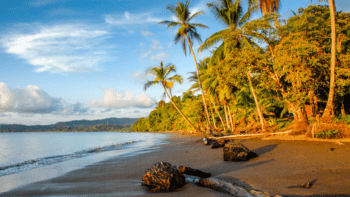
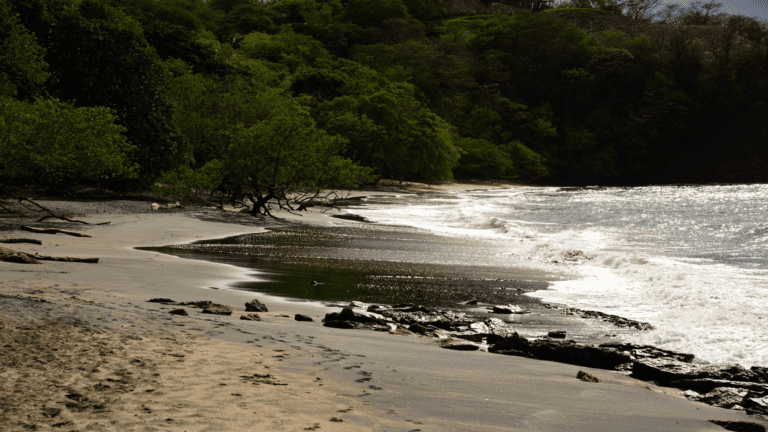
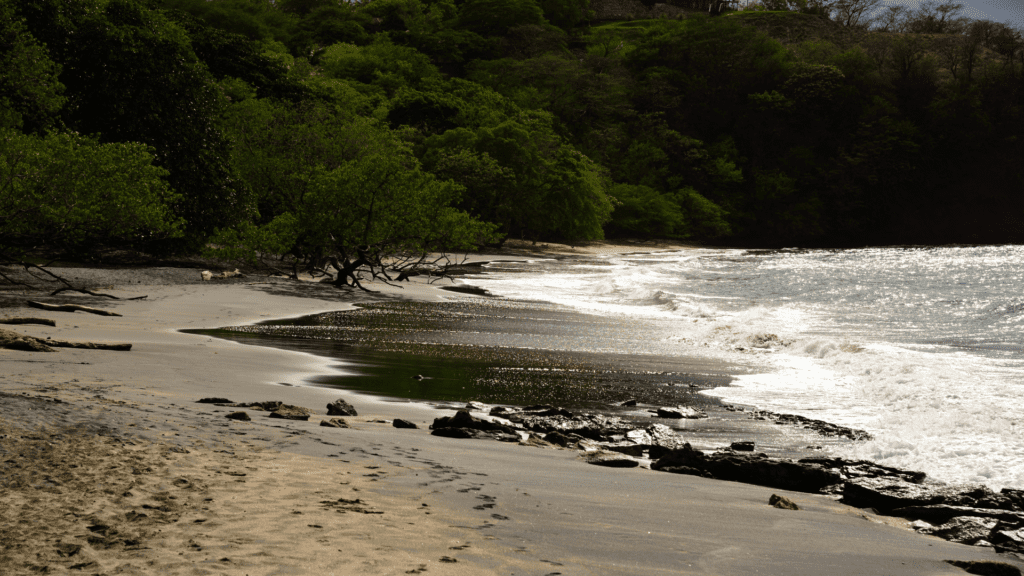
Playas del Coco sits in a protected cove in the Gulf of Papagayo, but the real magic happens when you leave the main beach behind. Just around the corner from Coco’s dark sand shores lie some of Costa Rica’s most stunning white sand beaches and pristine, empty stretches are only accessible by boat.
Private boat tours from Playas del Coco unlock this hidden coastline which take you beach hopping through crystal-clear waters where dolphins swim alongside the boat and humpback whales breach during migration season. Whether you’re snorkeling through colorful reef fish, fishing for mahi-mahi, or riding waves at world-famous Witch’s Rock, a boat day from Coco delivers experiences that you simply can’t get from the shore.
Key Takeaways
- Private boat tours from Playas del Coco access hidden white sand beaches like Playa Huevo, Palmares, and Junquillal that are only reachable by water
- Half-day tours run 4 hours (morning 8 AM-12 PM or afternoon 2-6 PM with sunset) whereas full-day tours last 6-8 hours
- Snorkeling spots feature sea turtles, tropical fish, rays, and reef sharks in calm, beginner-friendly waters
- Whale watching peaks January-March and July-September when humpbacks migrate through the Gulf of Papagayo
- Witch’s Rock surf trips take 45 minutes by boat from Coco and require intermediate-to-advanced skill levels
- Liberia Airport sits just 25-30 minutes from Playas del Coco on fully paved roads
What Makes the Gulf of Papagayo Perfect for Boat Tours?
The Gulf of Papagayo creates one of Costa Rica’s most spectacular marine playgrounds. This protected bay in Guanacaste province stretches along the northwestern Pacific coast, sheltering dozens of secluded coves and white sand beaches between rocky headlands.
Unlike the open Pacific further south, the Gulf’s calm waters make for comfortable boat rides even for those prone to seasickness. Water temperatures stay warm year-round—between 79°F and 88°F—making snorkeling pleasant without a wetsuit for most visitors.
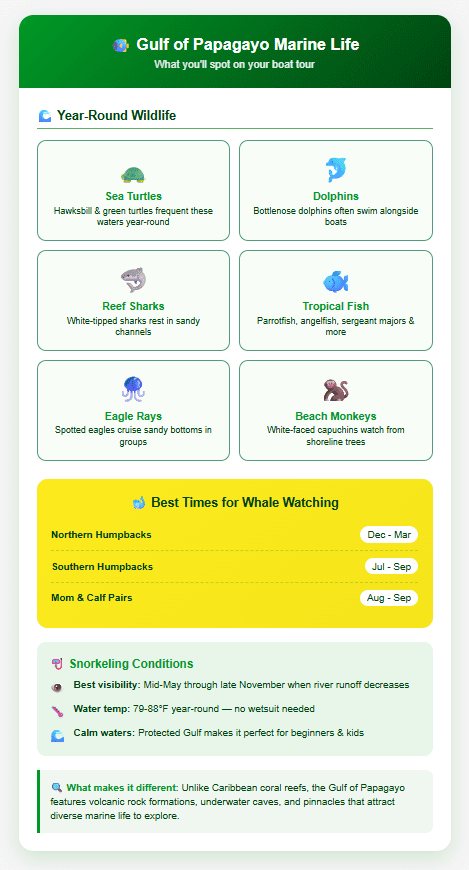
The underwater landscape here differs from Caribbean destinations. Instead of elaborate coral reefs, you’ll find volcanic rock formations, underwater caves, and pinnacles that attract diverse marine life. Schools of tropical fish congregate around these structures, joined by sea turtles, spotted eagle rays, manta rays, and the occasional white-tipped reef shark resting in sandy channels.
Why Does Coco Make Such a Good Base?
Playas del Coco offers the perfect launching point for Gulf of Papagayo exploration for several practical reasons. The town has grown from a sleepy fishing village into a tourism hub while maintaining its authentic Tico character. You’ll find tour operators, restaurants, shops, and services all within walking distance of the main beach where boats depart.
The location couldn’t be more convenient. Guanacaste Airport (LIR) sits just 25-30 minutes away on well-paved roads. This means you can land in the morning and be snorkeling by afternoon—no long drives or complicated transfers required.
Having a rental car from Vamos lets you explore beyond boat days. Drive to nearby Playa Hermosa for calmer swimming, check out Playa Ocotal’s more intimate setting, or take day trips to Rincón de la Vieja National Park for volcanic mud baths and hiking.
What Can You Actually Do on a Boat Tour?
Beach Hopping and Snorkeling Tours
Beach hopping remains the most popular boat tour from Playas del Coco, and for good reason. Within minutes of leaving the main beach, you’ll start discovering the hidden gems that make this coastline special.
Favorite stops include Playa Huevo, Playa Palmares, Playa Junquillal, Nacascolito, Cocolito, and Jicaro. Each beach has its own personality—some with powdery white sand perfect for lounging, others with rocky outcroppings ideal for snorkeling, and a few tucked into mangrove-lined coves where monkeys watch from the trees.
The snorkeling spots captains know aren’t the same ones you’d find on your own. They’ve spent years learning where the turtles feed, which rock formations attract the most colorful fish, and where conditions are calmest for first-time snorkelers. Equipment is typically provided, including masks, fins, and life jackets for anyone who wants extra confidence in the water.
Water clarity in the Gulf varies by season, but visibility often reaches 20-30 feet during optimal conditions, typically mid-May through late November when runoff from rivers decreases.
What Wildlife Might You Spot?
The Gulf of Papagayo supports remarkable marine biodiversity. On almost any tour, you can expect to see:
In the Water: Sea turtles (hawksbill and green turtles frequent these waters), spotted eagle rays gliding along sandy bottoms, schools of tropical fish including parrotfish, angelfish, and sergeant majors, plus the occasional reef shark or moray eel hiding in crevices.
From the Boat: Bottlenose dolphins often approach boats, sometimes swimming alongside for extended stretches. Manta rays cruise near the surface, their distinctive wing-like fins breaking the water. During certain months, you’ll see flying fish skipping across the waves.
Seasonal Highlights: Humpback whales migrate through the Gulf twice yearly—December through March when northern populations pass through, and July through September when southern humpbacks arrive with their calves. August and September offer particularly good chances to see mother-calf pairs. These aren’t guaranteed sightings, but experienced captains know where to look and will adjust routes when whales are in the area.
On the Beaches: White-faced capuchin monkeys hang out in trees along the shoreline. You might also spot coatis foraging near the waterline, iguanas sunbathing on rocks, and countless species of tropical birds.
What About Fishing Tours?
Playas del Coco has built a reputation as one of Costa Rica’s premier sport fishing destinations. The Gulf’s nutrient-rich waters attract impressive game fish year-round, though seasons vary by species.
Inshore Fishing: Closer to shore, you’ll target species like roosterfish, snapper, jacks, and grouper. These trips work well for families or those who want to catch dinner without spending all day on the water.
Offshore Fishing: Venture further into the Pacific and you’re after the big ones—sailfish, marlin, mahi-mahi (dorado), wahoo, and yellowfin tuna. The best offshore fishing typically runs May through November when mahi-mahi populations peak, though you can catch various species year-round.
Many operators will combine fishing with beach hopping and snorkeling, giving you the best of both worlds in a single day.
Can You Surf from a Boat Tour?
Absolutely—and this is how you access some of Costa Rica’s most legendary waves. Witch’s Rock sits inside Santa Rosa National Park, roughly 45 minutes by boat from Playas del Coco. This world-famous break gained international recognition after appearing in “Endless Summer II.”
The trip to Witch’s Rock typically includes stops at nearby Ollie’s Point, another excellent break that works well when conditions align. Boat captains handle the park entry permits (currently $15 USD per adult), making logistics simple.
Important Note: Witch’s Rock is NOT a beginner spot. The powerful waves suit intermediate to advanced surfers, with advanced beginners only venturing out on small days. If you’re learning to surf, Tamarindo offers much better conditions for surf lessons about an hour south of Coco.
How Do Private Tours Compare to Shared Tours?
Understanding the difference helps you choose the right experience for your group.
What Do You Get with a Private Tour?
Private boat tours put you in control of your day. The captain works with you to create an itinerary based on your interests and the day’s conditions. Want to spend extra time at one beach? Done. See dolphins in the distance? The boat can idle alongside as long as you like. Someone in your group has mobility limitations? The captain accommodates specific needs.
The intimacy makes a difference. When you spot humpback whales breaching, there’s no competing with other passengers for viewing positions. When you find a perfect snorkeling spot, you’re not sharing it with 20 strangers. Private tours often visit beaches where you’ll have the sand entirely to yourselves.
Group sizes typically max out at 6 passengers on standard boats, though larger vessels accommodate bigger parties. Tours include snorkeling equipment, drinks (water, sodas, juice, local beer), fruit, and the captain’s knowledge of the best spots for current conditions.
When Do Shared Tours Make Sense?
Shared sailing tours operate on larger catamarans carrying 15-25 passengers. These work well for solo travelers, couples seeking social experiences, or groups who enjoy meeting other travelers. Popular options like the Marlin del Rey catamaran include open bars, snorkeling stops, and often spectacular sunset views on afternoon departures.
The trade-off? Shared tours follow fixed itineraries with designated time at each stop. You’ll typically visit one main beach alongside other boats running similar schedules—during high season, you might find 5-10 boats at the same spot. Still fun, but a different experience than having a beach to yourself.
What’s the Best Time of Year for Boat Tours?
Does Season Affect Your Experience?
Costa Rica’s dry season (December through April) brings the most reliable weather with sunny skies and minimal rainfall. This is peak tourist season, meaning more crowded beaches on shared tours but also the calmest seas for comfortable boating.
The green season (May through November) offers its own advantages. Fewer tourists mean less crowded beaches, even on private tours. Visibility for snorkeling often improves mid-season as rivers carry less sediment. Wildlife viewing can be exceptional, particularly for humpback whales from July through September.
Afternoon rain showers during green season rarely impact morning boat tours. The pattern typically holds: sunny mornings, clouds building around noon, rain in late afternoon. Sunset tours occasionally get wet, but warm tropical rain while cruising back to shore hardly counts as hardship for most visitors.
When’s Best for Specific Activities?
Beach Hopping and Snorkeling: Year-round, with best visibility typically May-November
Whale Watching: July-September (southern humpbacks) and December-March (northern humpbacks)
Dolphin Spotting: Year-round
Fishing: May-November for mahi-mahi; year-round for variety
Surfing (Witch’s Rock): April-October for larger swells; December-March for consistency
How Do You Get to Playas del Coco?
What’s the Drive from Liberia Airport?
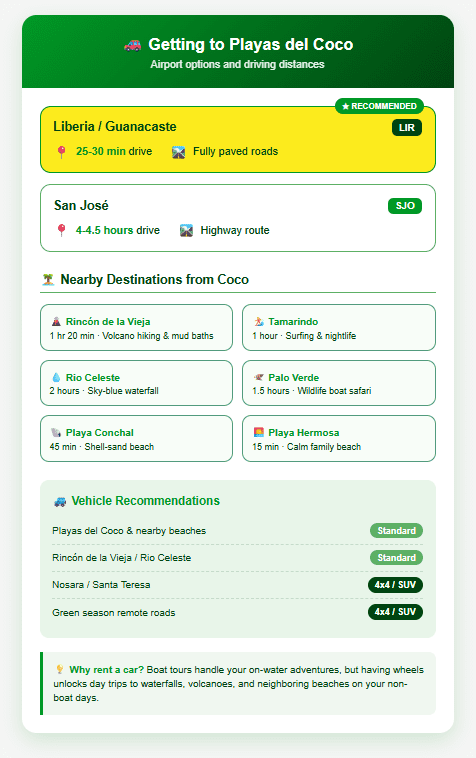
Liberia International Airport (LIR) serves as your gateway to Guanacaste’s beaches. The drive to Playas del Coco takes just 25-30 minutes on fully paved roads—one of the easiest airport-to-beach transfers in Costa Rica.
From the airport, head south on the main highway toward Liberia, then follow signs toward Comunidad and Playas del Coco. The route is straightforward with good signage. Any standard rental car handles this drive easily; you don’t need a 4×4 for Coco itself.
What About from San José Airport?
If you’re flying into Juan Santamaría Airport (SJO), Playas del Coco sits about 4-4.5 hours north. The drive follows the Inter-American Highway through Guanacaste’s dry tropical landscape—not unpleasant, but significantly longer than the Liberia option.
For trips focused on Guanacaste beaches, flying into Liberia makes sense despite potentially higher flight costs. You’ll spend those saved driving hours actually enjoying your vacation instead of watching highway scenery roll by.
Do You Need a Car Once You’re There?
For the boat tours themselves? No—most operators pick up directly from the beach or arrange hotel shuttles. However, having your own wheels transforms your overall Guanacaste experience.
With a rental car, you can explore the 16 incredible day trips from Playas del Coco at your own pace. Drive to Rio Celeste’s sky-blue waterfall about 2 hours away. Visit Llanos de Cortés waterfall for swimming. Take the scenic route to Tamarindo for different beaches and restaurants. Head inland to Rincón de la Vieja for volcanic mud baths and adventure combos.
Standard sedans work fine for Coco and surrounding paved roads. If you’re planning to venture to Nosara, Santa Teresa, or other remote Nicoya Peninsula destinations during green season, consider a 4×4 from Vamos for peace of mind on unpaved sections.
What Should You Know Before Booking?
What’s Typically Included?
Most private boat tours from Playas del Coco include:
- Captain and crew
- Snorkeling equipment (masks, fins, snorkels)
- Life jackets in all sizes
- Drinks (water, sodas, juice, often local beer)
- Fresh fruit (Costa Rican pineapple is exceptional)
- Pickup from Playas del Coco beach
Some tours include additional extras like stand-up paddleboards, tubes for towing behind the boat, or wakeboards. These often cost extra and should be confirmed when booking.
What Should You Bring?
Pack light but smart:
- Swimsuit (wear it—you’ll be in and out of water)
- Reef-safe sunscreen (protects both you and marine life)
- Hat and sunglasses
- Towel
- Waterproof camera or phone case
- Light cover-up or rash guard for sun protection
- Cash for tips
Leave valuables at your hotel. Most boats have dry storage, but why risk it?
Any Medical Considerations?
The calm Gulf waters suit most visitors, but let your captain know about any concerns. Those with chronic conditions, heart issues, or mobility challenges should communicate needs in advance so operators can accommodate appropriately.
If you’re prone to motion sickness, morning tours on calmer seas typically work better than afternoon departures when winds pick up.
What Else Can You Do from Playas del Coco?
Boat days represent just one piece of a Guanacaste vacation. The region offers some of Costa Rica’s best activities on land too.
What About Adventure Tours?
The combo adventure parks near Rincón de la Vieja volcano deliver full days of action. Hacienda Guachipelín offers ziplining, horseback riding, white water tubing, hot springs, and volcanic mud baths in a single package. Buena Vista and Vandara parks provide similar combinations with slightly different experiences.
These parks sit about an hour from Coco, making them perfect day trip material. Book directly or arrange transportation through your hotel—either way, you’ll return exhausted and happy.
Where Can You See Wildlife on Land?
Palo Verde National Park boat safaris on the Tempisque River guarantee wildlife sightings that even bad luck can’t prevent. Crocodiles, monkeys, iguanas, and hundreds of bird species congregate along these wetlands, particularly during dry season when animals gather around remaining water sources.
For rainforest and sloth encounters, guided tours from Guanacaste take you to reserves specifically managed for wildlife viewing—a different experience from the dry forests immediately around Coco.
What Other Beaches Should You Visit?
Beach hopping by car complements your boat adventures. Within 30 minutes of Coco, you can visit:
- Playa Hermosa: Calm waters perfect for swimming, darker sand, local Tico vibe
- Playa Ocotal: Smaller, quieter beach south of Coco with good snorkeling off the rocks
- Playa Panamá: Nearly waveless bay popular with Costa Rican families
- Playa Conchal: Unique crushed-shell sand creating almost-white appearance, about 45 minutes south
Each offers a slightly different atmosphere, letting you match your beach to your mood.
Frequently Asked Questions
Is Playas del Coco safe for tourists?
Yes. Playas del Coco maintains a reputation as a safe destination for international visitors. Like any tourist area, basic precautions apply—don’t leave valuables unattended on the beach, use hotel safes, and stay aware of your surroundings at night. The town’s mix of local families, expats, and tourists creates a welcoming atmosphere where most visitors feel comfortable walking around.
Can you swim in Playas del Coco?
You can swim at Playas del Coco beach, though it’s not the most picturesque spot in the area. The main beach has darker sand and calmer waves since it sits in a protected cove—good for casual swimming but nothing spectacular. The real swimming highlights come from boat tours that access the white sand beaches around the Gulf of Papagayo, or by driving to nearby Playa Hermosa or Playa Panamá for family-friendly waters.
Is Playas del Coco worth visiting?
Playas del Coco works best as a base for exploring the Gulf of Papagayo rather than a beach destination in itself. The town offers excellent infrastructure (restaurants, shops, tour operators) and unbeatable access to boat tours, diving, fishing, and day trips. If you want stunning beaches for lounging, you’ll find better options at Conchal or the Papagayo Peninsula resorts. But for adventure access and authentic Costa Rican beach town vibes, Coco delivers.
What is there to do near Playa del Coco?
The options keep you busy for a week easily. Boat tours access hidden beaches and snorkeling spots throughout the Gulf. Fishing charters target everything from snapper to marlin. Diving excursions explore underwater volcanic formations. Day trips reach Rincón de la Vieja for adventure combos, Rio Celeste for a sky-blue waterfall, Palo Verde for wildlife boat safaris, and nearby beaches from Hermosa to Tamarindo. Surf trips by boat take you to Witch’s Rock, and sunset sailing rounds out romantic evenings.
How far is Playa Coco from the airport?
Playas del Coco sits just 25-30 minutes from Liberia International Airport (LIR) on paved roads. From San José’s Juan Santamaría Airport (SJO), expect 4-4.5 hours of driving. Most visitors to Guanacaste beaches fly into Liberia specifically because of the shorter transfer times.
What region is Playa del Coco in?
Playas del Coco lies in Costa Rica’s Guanacaste province on the northwestern Pacific coast. The town sits within the Gulf of Papagayo, a protected bay known for calm waters, excellent marine life, and some of the country’s most luxurious resorts on the nearby Papagayo Peninsula.
Why is Coco beach famous?
Playas del Coco gained fame as one of Guanacaste’s first beach tourism developments, growing from a fishing village into a full-service beach town. Today it’s known for accessible diving and snorkeling, sport fishing charters, proximity to Witch’s Rock surfing, and its role as a launch point for Gulf of Papagayo boat tours. The town also attracts a significant expat community and maintains livelier nightlife than quieter Guanacaste beach towns.
Where to stay in Playas del Coco, Costa Rica?
Accommodation ranges from budget hostels to upscale boutique hotels. Options right in Coco town put you walking distance from restaurants, bars, and the beach where boats depart. Nearby Playa Hermosa and Playa Ocotal offer quieter alternatives just minutes away. For luxury all-inclusive experiences, the Papagayo Peninsula resorts (Planet Hollywood, Andaz, Four Seasons, Secrets) sit about 25-30 minutes north but operate on a different price tier entirely.