
Last Updated on December 7, 2025
Caribbean Coast Activities: What's Covered
Costa Rica’s Caribbean coast delivers something the rest of the country doesn’t—Afro-Caribbean culture, reggae rhythms, coconut-infused cooking, and beaches that stay sunny when the Pacific side gets drenched. This 134-mile stretch offers wildlife-rich national parks like Tortuguero and Cahuita, world-class surf breaks, indigenous Bribri villages, and some of the country’s best snorkeling. The driest weather arrives September-October when the Pacific coast gets heavy rain, and a rental car opens up the entire southern Caribbean from Limón to Manzanillo.
Quick Facts
- Best Weather: September-October offers driest conditions and calmest seas for snorkeling; February-April brings peak surf season at Salsa Brava
- Drive Time: 4-4.5 hours from San José via Route 32 through Braulio Carrillo—paved roads, no 4×4 needed
- Tortuguero Access: No roads reach this park; requires boat from Moín/La Pavona or domestic flight from San José
- Cahuita National Park: Donation-based entry (suggested $5), 8km coastal trail with wildlife, Costa Rica’s only living Caribbean coral reef
- Puerto Viejo: Liveliest nightlife, most diverse Caribbean restaurants, backpacker-friendly atmosphere
Top 5 Caribbean Coast Experiences
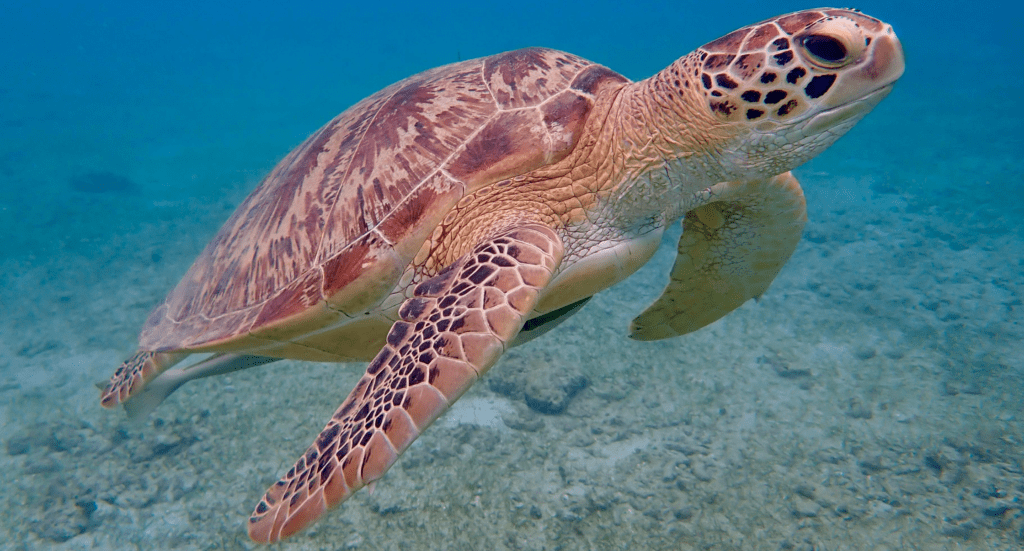
- Watch Sea Turtles Nest at Tortuguero (July-October) – Night tours witness green sea turtles, leatherbacks, and hawksbills laying eggs on protected beaches; later in season, catch hatchlings dashing to the ocean
- Snorkel Cahuita’s Coral Reef – The 600-acre reef system shelters tropical fish, nurse sharks, and barracuda; visibility peaks February-April and September-October when waters calm
- Surf Salsa Brava in Puerto Viejo – Powerful reef break attracts experienced surfers January-March; beginners should start at gentler Playa Cocles with surf schools
- Explore Bribri Indigenous Villages – Traditional chocolate tours teach cacao cultivation from pod to drink, combined with waterfall swims in the Talamanca mountains
- Beach-Hop the Coastal Road – Rent a bicycle or car to explore Playa Cocles, Punta Uva, and Manzanillo fishing village in a single day
Whether you’re driving from San José through Braulio Carrillo, planning around Costa Rica’s weather patterns, or timing your trip for the dry season, the Caribbean coast rewards travelers willing to venture east. The Jaguar Rescue Center offers ethical wildlife encounters, Manzanillo’s Gandoca-Manzanillo Wildlife Refuge provides secluded hiking, and the entire region operates on a laid-back rhythm that’s drawn surfers and backpackers for decades.
If you need any help with a Costa Rica car rental, contact us now!
Costa Rica’s Caribbean coast delivers something the rest of the country doesn’t—Afro-Caribbean culture, reggae rhythms, coconut-infused cooking, and beaches that stay sunny when the Pacific side gets drenched. This 134-mile stretch from the Nicaraguan border to Panama offers wildlife-rich national parks, world-class surf breaks, indigenous villages, and some of the country’s best snorkeling.
The Caribbean side operates on its own rules. The weather patterns run opposite to the Pacific, the food tastes completely different, and the pace of life slows to match the laid-back vibe that’s drawn European backpackers and surfers here for decades. Whether you’re watching sea turtles nest in Tortuguero, hiking coastal trails in Cahuita, or chasing barrels at Salsa Brava, this coast rewards travelers willing to venture east from San José.
Key Takeaways
- The Caribbean coast enjoys its driest weather September-October when the Pacific coast gets heavy rain
- Tortuguero National Park requires boat or plane access—no roads reach this wildlife haven
- Puerto Viejo offers the liveliest nightlife and most diverse restaurants on the coast
- Cahuita National Park operates on a donation system and features excellent snorkeling
- A rental car opens up the entire southern Caribbean from Limón to Manzanillo
🌴 Costa Rica's Caribbean Coast
134 miles of beaches, wildlife & Afro-Caribbean culture
Tortuguero
Limón
Cahuita
Puerto Viejo
Manzanillo
How Do You Get to Costa Rica’s Caribbean Coast?
The journey from San José to the Caribbean coast takes you through one of the most dramatic drives in the country. Route 32 winds through Braulio Carrillo National Park, climbing into misty cloud forest before descending through banana plantations to the lowlands.
The drive to Limón takes about 2.5 hours, with another 45 minutes to reach Puerto Viejo. The road is paved and well-maintained, though the mountain section can get foggy, especially during green season. Unlike Monteverde or some Pacific destinations, you don’t need a 4×4 to reach Caribbean coast towns—a standard vehicle handles the route just fine.
From San José:
- Route 32 through Braulio Carrillo → Limón → Route 36 south to Puerto Viejo/Cahuita
- Total distance to Puerto Viejo: approximately 220 km (137 miles)
- Drive time: 4-4.5 hours with stops
For those short on time or wanting to skip the drive entirely, domestic flights from San José land at Limón Airport in about 30 minutes, though service can be limited. From there, you’ll need ground transportation to reach the beach towns.
Pro tip: Leave San José early morning to avoid the afternoon rain showers that can reduce visibility on the mountain pass. The drive itself offers stunning scenery—waterfalls cascading down fern-covered mountainsides and dense forests stretching as far as you can see.
What Makes Tortuguero So Special?
Despite being inaccessible by road, Tortuguero National Park ranks as the third most-visited park in Costa Rica. The network of jungle canals that replaced roads creates an Amazon-like landscape where jaguars still roam and sea turtles nest on protected beaches.
Getting there requires either a short flight from San José or a combination of driving and boat travel. From Cariari or La Pavona, boat trips take 1-2 hours depending on water levels. The journey from Moín (just outside Limón) takes about 4 hours by boat.
Turtle Nesting Season (July-October) The main appeal draws from the turtles that gave this place its name. Night tours take visitors to witness green sea turtles, leatherbacks, and hawksbills hauling themselves onto the beach to lay eggs. Later in the season, you might see hatchlings making their dash to the ocean—one of nature’s most moving spectacles.
Wildlife Beyond Turtles
- Crocodiles and caimans along canal edges
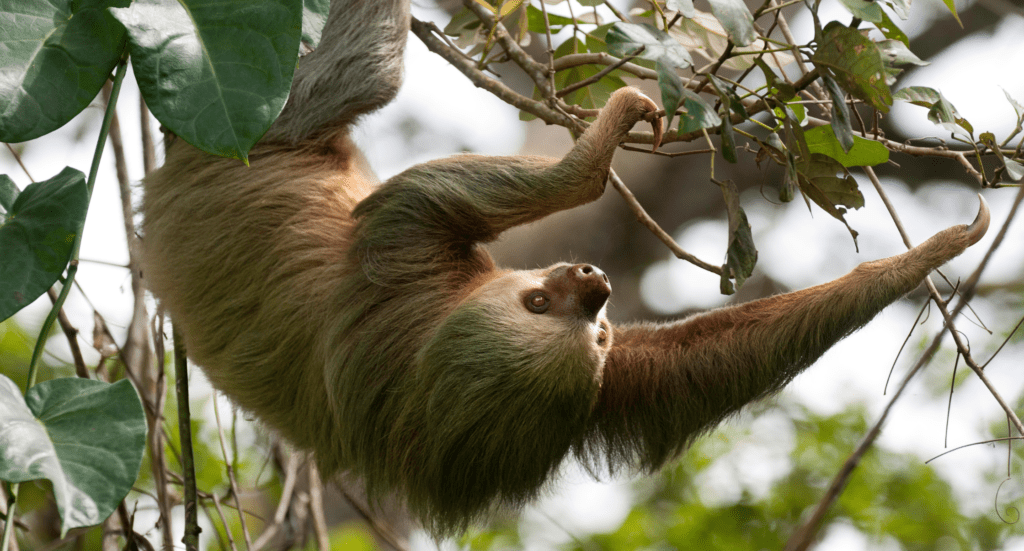
- Three-toed sloths in cecropia trees
- Howler and spider monkeys
- Over 300 bird species including toucans and green macaws
- The occasional jaguar sighting (though they’re elusive)
Accommodations range from upscale lodges with pools to budget guesthouses in the village. Most packages include boat tours through the park’s canals, where knowledgeable guides spot wildlife that untrained eyes would miss entirely.
Is Limón Worth a Visit?
The port city of Limón serves mainly as a transit point, but it holds historical significance as the heart of Costa Rica’s Afro-Caribbean culture. The Black Star Line building, built under Marcus Garvey’s leadership, stands as a reminder of the black activist movement that shaped this region.
October Carnival If your visit coincides with October, Limón transforms during Carnival. Parades fill the streets with Caribbean music, elaborate costumes, and dancing that continues for more than a week. It’s the biggest celebration of Afro-Caribbean culture in Central America.
The city itself doesn’t warrant an extended stay, but a few hours exploring the waterfront Parque Vargas (where you might spot sloths in the trees), the painted Post Office panels depicting local history, and a meal at a traditional Caribbean restaurant adds cultural depth to a Caribbean coast trip.
What Can You Do in Cahuita?
Cahuita National Park delivers the Caribbean coast’s best combination of hiking, wildlife, and snorkeling in one accessible package. The park’s main entrance operates on a donation basis (suggested $5), making it one of Costa Rica’s most affordable wildlife experiences.
The Coastal Trail A well-maintained path runs 8 kilometers along the coastline, passing through rainforest where howler monkeys, sloths, and white-faced capuchins are regularly spotted. The trail passes several beaches where you can swim between hiking sections. Take water, sunscreen, and allow 3-4 hours for the full walk.
Snorkeling the Reef Cahuita protects Costa Rica’s only living coral reef on the Caribbean coast. The 600-acre reef system shelters clownfish, nurse sharks, barracuda, and countless tropical species. Visibility peaks February-April and September-October when waters calm. Guided boat trips reach the best spots that aren’t accessible from shore.
🏝️ Cahuita National Park
- Bring water, sunscreen & insect repellent
- Wear sturdy sandals or water shoes
- Arrive before 8am for best wildlife sightings
- Book guided snorkel tours for best reef spots
Beach Options
- Playa Blanca: White sand, calm swimming, accessible from town
- Playa Negra (Black Beach): Volcanic sand, surf when waves are up, more secluded accommodations
- Playa Grande: Almost deserted stretch leading to Tuba Creek
Town Essentials Cahuita town offers banks, pharmacies, small supermarkets, and a Sunday farmers market for local produce. For dining, Miss Edith’s serves legendary Caribbean dishes, while Kawe Soda delivers traditional wood-stove cooking. The Swedish Bakery has become a breakfast institution for good coffee and fresh bread.
Activities like snorkeling tours, fishing trips, horseback riding, and yoga classes can be arranged through Willie’s Tours or local operators throughout town.
Why Has Puerto Viejo Become So Popular?
Puerto Viejo has evolved from a sleepy fishing village to the Caribbean coast’s primary tourist hub—earning Lonely Planet “must-see” status while somehow maintaining its laid-back character. The town caters to backpackers and budget travelers, with more upscale options lining the coastal road toward Manzanillo.
Surfing at Salsa Brava The legendary Salsa Brava wave breaks over shallow reef, producing powerful barrels that attract experienced surfers from around the world. This isn’t a beginner spot—the reef can be dangerous, and local surfers compete fiercely for waves during peak season (January-March). Newcomers should start at Playa Cocles, where gentler waves and surf schools make learning more forgiving.
The Beach Road South from town, a paved road connects a string of beaches, each with its own character:
- Playa Cocles: Popular surf beach with lifeguards
- Playa Chiquita: Quiet bay under sea grape trees
- Punta Uva: White sand, palm trees, calm swimming
- Manzanillo: Fishing village at road’s end, excellent snorkeling
A bicycle or scooter lets you explore all these beaches in a single day. The flat terrain makes cycling easy, and rentals are available throughout town.
Food Scene Puerto Viejo offers the Caribbean coast’s most diverse dining. Traditional Caribbean cooking remains the star—rice and beans cooked in coconut milk with scotch bonnet peppers, jerk chicken, rondon stew, and meat patties at roadside stands. But you’ll also find Italian trattorias, Thai restaurants, vegan cafes, and upscale international options.
Essential Spots:
- Soda Lidia: Authentic Caribbean at local prices
- Pan Pay: Beachside bakery for chocolate croissants
- La Pecora Nera: Upscale Italian (reservations recommended)
- Café Viejo: Pizza and cocktails
Nightlife When the sun goes down, bars like Johnny’s and Stanford’s fill with a mix of locals, expats, and travelers. Live reggae features regularly, and the party continues into early morning hours on weekends.
What About the Jaguar Rescue Center?
Located between Puerto Viejo and Playa Cocles, this rehabilitation center takes in injured, orphaned, or mistreated wildlife with the goal of releasing them back into the wild. Despite the name, jaguars are rare—the residents include sloths, monkeys, birds, and a margay cat.
Tours run twice daily (9:30 AM and 11:30 AM) and cost $20-25 per person. Unlike tourist attractions that keep animals for entertainment, the center operates as a legitimate rehabilitation facility. Photography rules and interaction limits protect animals in recovery.
After the guided tour, you can walk the grounds during afternoons when many residents roam more freely. It’s one of the most ethical wildlife experiences on the coast.
Should You Visit the Sloth Sanctuary?
The Sloth Sanctuary, located about 10 minutes from Cahuita toward Limón, pioneered sloth rescue and rehabilitation in Costa Rica. The facility gained international fame through Animal Planet’s “Meet the Sloths” series.
Tours ($25-30 for the Buttercup Tour, $100 for the behind-the-scenes Insider’s Tour) include canoe rides through surrounding wetlands and educational presentations about both two-toed and three-toed sloths. The nursery section, available only on the Insider’s Tour, shows baby sloths in various stages of rehabilitation.
Important: Conservation regulations prohibit touching or holding sloths. The sanctuary actively discourages the roadside “sloth photo” operators who exploit these animals for tourist photos.
What’s Special About Manzanillo?
At the end of the coastal road lies Manzanillo, a fishing village that feels like the Caribbean coast before tourism arrived. The pace here is slower than Puerto Viejo, the beaches less crowded, and the community maintains traditional fishing practices.
Gandoca-Manzanillo Wildlife Refuge Walk along the beach and across a small river to enter this protected area. Trails follow the coastline over small cliffs to secluded coves. The more adventurous can hike all the way to Monkey Point organic farm or continue to Gandoca village.
Turtle Nesting (March-July) The beaches around Gandoca host nesting leatherback sea turtles. Unlike Tortuguero’s organized tourism, turtle watching here requires booking with ANAI Association, which coordinates protection programs. The beaches can be uncomfortable—sand flies are fierce—but witnessing a leatherback emerge from the waves makes the discomfort worthwhile.
Dining and Snorkeling Maxi’s Restaurant serves traditional Caribbean fare overlooking the beach. When the ocean calms, snorkeling here rivals Cahuita, with healthy coral and abundant fish life.
🗺️ Caribbean Coast Towns at a Glance
| Town | Vibe | Nightlife | Dining | Best For |
|---|---|---|---|---|
|
Tortuguero
Wildlife
|
Remote jungle village, eco-lodge focused |
|
|
Turtle nesting, canal wildlife tours |
|
Cahuita
Beach
Budget
|
Quiet, relaxed, local Caribbean feel |
|
|
Snorkeling, hiking, budget travelers |
|
Puerto Viejo
Surf
Nightlife
|
Lively, international, backpacker hub |
|
|
Surfing, restaurants, social scene |
|
Manzanillo
Wildlife
Beach
|
Sleepy fishing village, end of the road |
|
|
Solitude, snorkeling, nature lovers |
Can You Experience Indigenous Culture?
The Bribri indigenous community lives in the Talamanca mountains near the Panama border. Tours to their villages offer glimpses of traditional life that predates Spanish arrival.
Chocolate Tours The most popular experience involves learning traditional chocolate production. The Bribri have cultivated cacao for generations, and tours take you from picking pods to grinding beans to tasting the bitter, traditional drink that bears little resemblance to commercial chocolate. Several community-based operations offer these experiences with local families.
Waterfall Visits Tours often combine chocolate with visits to nearby waterfalls where you can swim in icy pools beneath cascading water. The full-day experience provides meaningful cultural exchange while supporting indigenous communities directly.
When Is the Best Time to Visit?
The Caribbean coast’s weather operates on different patterns than the rest of Costa Rica. While the Pacific coast dries out from December through April, the Caribbean often stays wet. Conversely, when September and October bring heavy rains to the Pacific, the Caribbean enjoys some of its best weather.
Optimal Months:
- September-October: Driest period, calm seas, excellent snorkeling
- February-April: Good weather, peak surf season at Salsa Brava
- December-January: Can be wet but manageable
What to Expect: Annual rainfall averages 134 inches, temperatures hover around 80°F, and humidity stays high year-round. Even during the “dry” periods, afternoon showers remain possible. The rain typically comes in brief, intense bursts rather than all-day drizzle.
Do You Need a Rental Car?
Having your own vehicle transforms Caribbean coast exploration. While you can reach Puerto Viejo by bus and explore town by bicycle, a rental car opens up significantly more options:
- Day trips to Cahuita National Park’s Puerto Vargas entrance
- Exploring both park entrances in one day
- Visiting the Sloth Sanctuary
- Reaching Bribri villages and waterfalls
- Stopping at remote beaches between towns
- Making the Tortuguero boat connection from Moín or Cariari
The main roads are paved and don’t require 4×4. A standard vehicle from Vamos handles everything the Caribbean coast offers. The drive from San José through Braulio Carrillo is straightforward, though mountain fog requires careful attention during afternoon hours.
Where Should You Stay?
Accommodation styles vary dramatically by town and budget:
Tortuguero: Jungle lodges (often all-inclusive packages) or village guesthouses
Cahuita: Beachfront boutique hotels, budget cabinas, vacation rentals
Puerto Viejo: Everything from hammock-by-the-night hostels to eco-lodges
Manzanillo: Limited options focused on rustic charm
For travelers wanting nightlife and restaurant variety, Puerto Viejo makes the best base. Those seeking tranquility and wildlife focus do better in Cahuita. Manzanillo suits travelers who want complete escape from tourist infrastructure.
Booking Tips:
- Reserve ahead for Tortuguero packages (they include transport)
- Caribbean coast accommodations book up for Easter week and December holidays
- Green season (May-November) offers better availability and lower rates

What About Safety?
The Caribbean coast once suffered an unfair reputation for crime. Today, the main tourist areas feel as safe as anywhere in Costa Rica. Basic precautions apply:
- Don’t leave valuables visible in parked cars
- Keep bags close on beaches (monkeys and raccoons steal unattended items)
- Avoid walking alone on deserted beaches at night
- Use common sense with alcohol and late-night activities
Limón city requires more caution than beach towns, particularly after dark. Most travelers pass through without incident, but there’s no reason to linger.
Frequently Asked Questions
How long does it take to drive from San José to Puerto Viejo?
The drive takes approximately 4-4.5 hours via Route 32 through Braulio Carrillo National Park to Limón, then Route 36 south along the coast. The road is paved throughout, and a standard vehicle handles the route without issues.
When is the best time to visit the Caribbean coast?
September and October offer the driest weather and calmest seas—perfect for snorkeling and beach activities. This timing coincides with the rainiest period on the Pacific side, making the Caribbean an excellent alternative when other regions are waterlogged.
Do I need a 4×4 to explore the Caribbean coast?
No. Unlike destinations like Monteverde or Santa Teresa, the Caribbean coast’s main roads are paved and well-maintained. A standard rental car handles everything from the mountain pass through Braulio Carrillo to the beach roads around Puerto Viejo and Manzanillo.
What’s the difference between Cahuita and Puerto Viejo?
Cahuita is quieter and more relaxed, with its national park and snorkeling as the main draws. Puerto Viejo offers livelier nightlife, more restaurant variety, and better surfing. Many travelers split time between both, as they’re only 20 minutes apart.
Can I visit Tortuguero without booking a package tour?
Yes, but it requires more planning. You can drive to Cariari or La Pavona and arrange boat transport independently, then book accommodation in the village. However, package tours often provide better value when factoring in transport, meals, and guided activities.
Is the Caribbean coast safe for solo travelers?
The main tourist areas—Cahuita, Puerto Viejo, Manzanillo—feel safe for solo travelers using normal precautions. The backpacker-friendly atmosphere in Puerto Viejo makes it easy to meet other travelers. Limón city requires more awareness, especially after dark.
What’s the food like on the Caribbean coast?
Completely different from the rest of Costa Rica. Caribbean cooking features rice and beans cooked in coconut milk with scotch bonnet peppers, rondon stew, jerk chicken, and meat patties. The Jamaican and Caribbean influences create flavors you won’t find elsewhere in the country.
How do I get to Tortuguero National Park?
Options include short flights from San José to Tortuguero airstrip, or driving to Moín (near Limón) or La Pavona (near Cariari) for boat transfers through the canals. Most visitors book package tours that handle all logistics.