
Last Updated on January 9, 2026
Catarata del Toro: What's Covered
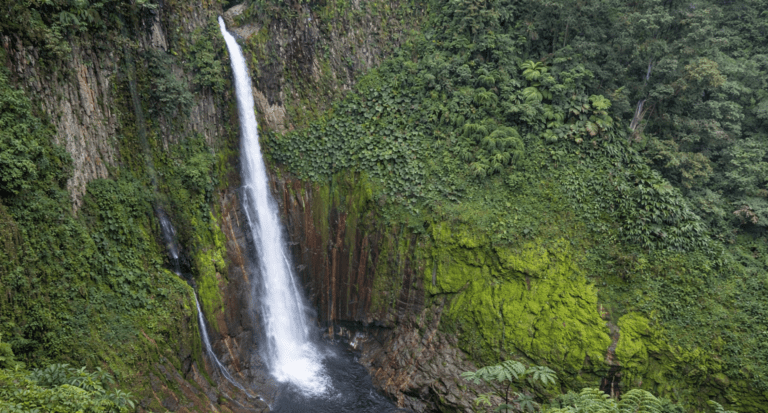
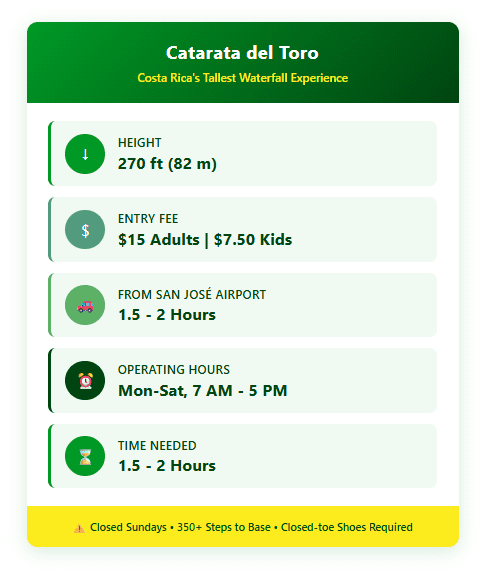
There’s a waterfall in Costa Rica that plunges 270 feet (82 meters) into an extinct volcanic crater, and somehow it still flies under most tourists’ radar. Catarata del Toro sits nestled in the misty highlands of Bajos del Toro, about two hours north of San José which is close enough for a day trip but remote enough that you’ll have the trails mostly to yourself. The combination of geological drama (water crashing into ancient crater), lush cloud forest scenery, and over 200 bird species makes this one of the most rewarding waterfall experiences in the country. Unlike Costa Rica’s more famous waterfalls that get swarmed with tour buses, Catarata del Toro remains refreshingly peaceful. Run by a Costa Rican-Dutch couple who’ve transformed 227 acres (92 hectares) of rainforest into private ecological reserve, this attraction delivers both natural spectacle and thoughtful conservation. Entry costs $15 USD for adults, $7.50 for children ages 4-12; combo tickets with Blue Falls available for $25 USD. Open Monday-Saturday 7 AM-5 PM (closed Sundays). 4×4 recommended during rainy season, though roads are paved.
Quick Facts
- Height: 270 feet (82 meters)—one of Costa Rica’s tallest single-drop waterfalls, falling into dormant volcanic crater
- Location: Bajos del Toro, Alajuela Province—2 hours from San José, 1.5 hours from La Fortuna
- Entry Fee: $15 adults, $7.50 children (4-12), free under 4; combo with Blue Falls $25 adults
- Hours: Monday-Saturday 7 AM-5 PM (closed Sundays)
- Trail: 1 km total with 350+ concrete steps descending into crater—steep but well-maintained with handrails
- Time Needed: 1.5-2 hours minimum to explore trails, viewpoints, hummingbird gardens
- Best Season: Dry season (December-April) for clearer skies; green season (May-November) for fuller waterfall, fewer visitors
Top 5 Catarata del Toro Tips
- Arrive at 7 AM Opening for Best Light and Solitude – Morning light illuminates falls nicely, crowds nonexistent, more time to explore trails unhurried—afternoon clouds roll in regardless of season so early visits reward you with clearest photography
- Wear Closed-Toe Hiking Shoes—No Sandals Allowed – Reserve requires proper footwear for 350+ steep concrete steps descending into crater; steps slippery when wet, bottom path involves walking over rocks—good grip essential for safety
- Use as Strategic Stopover Between Destinations – Perfect mid-journey break landing at SJO morning, visiting waterfall for 1.5 hours, continuing to La Fortuna by late afternoon—avoids wasting first Costa Rica day just transferring
- Combine with Poás Volcano and Blue Falls – Only 30 minutes to Poás crater lake (book SINAC reservation), $25 combo ticket adds six turquoise Blue Falls waterfalls with swimming holes—full day Central Highlands adventure
- Don’t Skip Upper Gardens if Can’t Do Steps – Hummingbird gardens attract 200+ bird species hovering within feet, upper viewing platforms show full crater context without stairs—45-minute garden trail through primary forest offers impressive canyon views for mobility-limited visitors
Catarata del Toro offers genuine cloud forest experiences perfect for travelers exploring between San José and La Fortuna. The waterfall sits along logical routes connecting Central Valley with Arenal Volcano region, making it valuable for breaking up drive days. Many travelers visit as mid-journey stop rather than wasting arrival days on pure transfers. For building comprehensive itineraries, check our one-week and two-week plans. Bajos del Toro called “valley of 1,000 waterfalls” with concentrated cascades including Blue Falls (six turquoise waterfalls), Tesoro Escondido, Río Agrio—full day or overnight lets you explore several. The reserve borders Poás Volcano and Juan Castro Blanco national parks creating 49,421 acres (20,000+ hectares) protected wilderness. Standard vehicles handle paved roads dry season fine; 4×4 provides peace of mind during green season (May-November). Elevation 1,500 meters means cooler temperatures than coast—daytime low 80s°F (27°C), nights 65°F (18°C). Swimming not allowed at Catarata del Toro due to dangerous water force and slippery rocks. Entry fees support trail maintenance, reforestation, wildlife protection, local employment—genuine conservation tourism versus mass-market development.
If you need any help with a Costa Rica car rental, contact us now!
There’s a waterfall in Costa Rica that plunges 270 feet into an extinct volcanic crater, and somehow flies under most tourists’ radar. Catarata del Toro sits nestled in the misty highlands of Bajos del Toro, about two hours north of San José which is close enough for a day trip but remote enough that the trails are uncrowded. The combination of geological drama with water crashing into an ancient crater, lush cloud forest scenery, and over 200 bird species makes this one of the most rewarding waterfall experiences in the country.
Unlike Costa Rica’s more famous waterfalls that get swarmed with tour buses, Catarata del Toro remains refreshingly peaceful. Run by a Costa Rican-Dutch couple who’ve transformed 92 hectares of rainforest into a private ecological reserve, this attraction delivers both natural spectacle and thoughtful conservation. The reserve borders two national parks—Poás Volcano and Juan Castro Blanco—creating over 20,000 hectares of protected wilderness.
Key Takeaways
- Catarata del Toro is Costa Rica’s tallest waterfall at 270 feet (82 meters), falling into a dormant volcanic crater
- Located in Bajos del Toro, about 2 hours from San José or 1.5 hours from La Fortuna, it’s perfect as a stopover between destinations
- Entry costs $15 USD for adults, $7.50 for children ages 4-12; combo tickets with Blue Falls available for $25 USD
- Open Monday through Saturday, 7 AM to 5 PM (closed Sundays)
- A 4×4 is recommended during rainy season, though roads are paved and accessible with any vehicle during dry season
- Plan 1.5-2 hours to fully explore the trails, viewpoints, and gardens
Where Exactly Is Catarata del Toro?
The waterfall sits in the small mountain community of Bajos del Toro, within Costa Rica’s Central Highlands. This area occupies a unique geographic position between the Central Valley and the northern lowlands, which explains its remarkably biodiverse ecosystem.
From San José, the drive takes approximately 2 hours (44 miles/70 kilometers). You can reach it via Sarchí or Zarcero which are both scenic routes, but the Sarchí route is slightly faster. From Liberia Airport, you’re looking at about 131 miles (211 kilometers) and around 3.5 hours of driving.
The reserve sits at roughly 1,500 meters elevation, which means noticeably cooler temperatures than the coast. Expect daytime temps in the low 80s°F (27°C) at warmest, dropping to 65°F (18°C) at night. This cooler climate makes hiking comfortable even during midday.
How Do You Get to Catarata del Toro?
What’s the Best Route by Car?
Having your own vehicle gives you the most flexibility for visiting this waterfall. The most efficient route from San José heads north through Sarchí and you can simply enter “Catarata Del Toro, Alajuela Province, Bajos Del Toro” into Google Maps or Waze.
From SJO Airport, the drive is about 1.5 hours under normal conditions. The roads are all paved, which is good news if you’re picking up a rental car at the airport. While a standard sedan handles the journey fine during dry season (December through April), a 4×4 provides extra peace of mind during the rainier months from May through November.
The alternative route through Zarcero takes slightly longer but offers its own rewards. The town features a famous topiary garden at the central park withquirky hedges sculpted into arches, animals, and geometric shapes. It’s worth a 15-minute detour if you haven’t seen it before.
Can You Visit Without a Car?
Technically yes, but it requires some creativity. No direct buses run to Bajos del Toro. You’d need to catch a bus to Zarcero, then arrange a taxi from there. Expect to pay around 15,000 colones ($26 USD) for the 40-minute taxi ride each way. Check Uber availability in the area too although coverage is spotty in rural mountain towns.
Private shuttles offer another option but must be booked in advance. If La Fortuna and Arenal are already on your itinerary, some private transfer services can include a Catarata del Toro stop on the way. This works particularly well for travelers arriving at San José Airport in the morning who cansee the waterfall, then continue to La Fortuna by late afternoon.
What Should You Expect at the Waterfall Park?
What’s the Trail Like?
When you arrive at the reserve, you’ll first encounter their visitor center with a small restaurant, gift shop, and beautifully maintained hummingbird gardens. Take a few minutes here where the gardens alone attract over 200 bird species, including various hummingbirds that hover within feet of you.
A viewing platform near the gardens offers your first glimpse of the waterfall from above. This is perfect for snapping those wide-angle shots to show the full context of the crater setting.
The main trail to the waterfall is approximately 1 kilometer total or about half a mile each way. The first 1640 feet (500 meters) are flat and easy as the path winds through the cloud forest with several lookout points. Don’t skip these viewpoints because each one reveals a different angle of the falls and crater walls.
Then descend down approximately 350+ concrete steps into the crater which are equipped with handrails throughout. It’s well-maintained but steep so take your time going down for safety but also to take in the incredible forest scenery.
What’s at the Bottom?
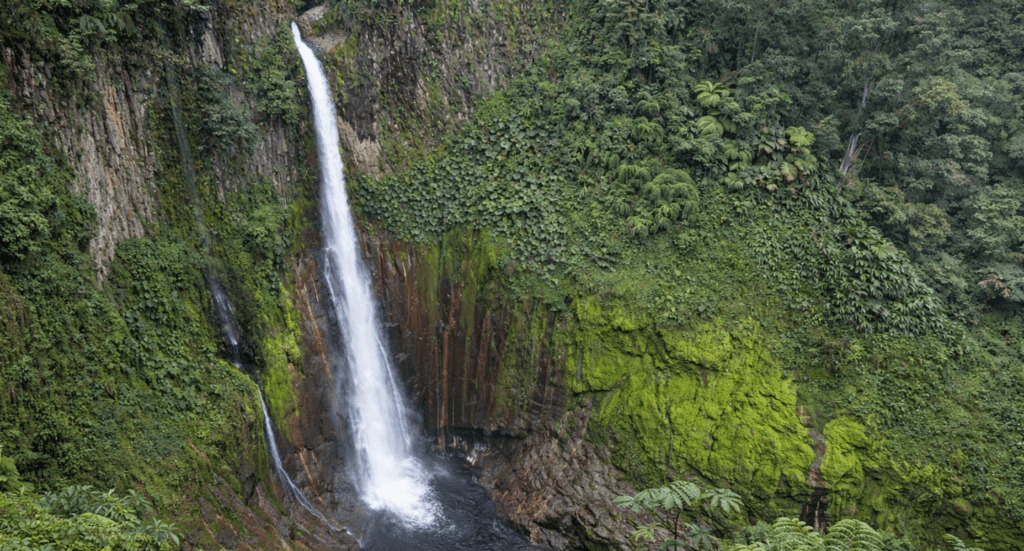
Once you reach the base of the crater, the dirt path levels out and leads you to the waterfall’s pool area. Standing at the bottom transforms your perspective entirely as the 270-foot (82 meters) column of water creates a powerful mist that sprays anyone who gets close.
Swimming isn’t allowed at Catarata del Toro, and honestly, you wouldn’t want to because the force of the water makes conditions dangerous near the impact zone, and the rocks are slippery. Bring your camera in a waterproof case or bag to protect it from the spray.
The rock walls surrounding the falls display striking red and orange striations of volcanic minerals from the crater’s geological past. Combined with the green moss and hanging vegetation, the colors create an almost surreal scene.
What to Expect on the Trail
Visitor Center & Gardens
Start at the hummingbird garden with 200+ bird species. Easy walking, stunning photo opportunities.
● Easy | 15-20 minUpper Trail & Viewpoints
Flat 1,640 ft (500m) path through cloud forest. Multiple lookouts with different waterfall angles.
● Easy | 20-25 minStair Descent to Crater
350+ concrete steps with handrails. Steep but manageable—take breaks at rest areas.
● Moderate-Challenging | 20-30 min downCrater Base & Falls
Rocky terrain at the base. Get up close to the 270 ft (82m) falls—expect to get wet from spray!
● Moderate | 15-20 min exploringWhen Is the Best Time to Visit Catarata del Toro?
Which Season Works Better?
Costa Rica’s dry season (December through April) delivers more predictable weather, meaning clearer skies and drier trails. Mornings tend to start sunny with afternoon clouds rolling in regardless of season, so early visits reward you with the best light for photos.
The green season (May through November) brings afternoon showers but also lusher vegetation and fewer visitors. October sees the heaviest rainfall in this region, so pack accordingly. The waterfall itself runs strongest during and after the rainy season, so photographers chasing that dramatic torrent should consider a green season visit.
Temperature-wise, Bajos del Toro stays comfortable year-round thanks to its elevation. You’ll want layers regardless of season because mornings can be cool, and the mist at the waterfall’s base will leave you damp.
What Time of Day Is Best?
The park opens at 7 AM, and serious waterfall enthusiasts should arrive early. Morning light illuminates the falls nicely, crowds are nonexistent, and you’ll have more time to explore the trails without feeling rushed.
Midday visits work fine but mean more visitors but still nothing compared to popular spots like Manuel Antonio. The last entry is at 5 PM, so afternoon arrivals should organize their time accordingly.
How Much Does It Cost?
What Are the Current Entry Fees?
As of 2025, the reserve charges:
- Adults: $15 USD
- Children (ages 4-12): $7.50 USD
- Children under 4: Free
The same family also operates the nearby Blue Falls of Costa Rica. If you’re spending the day in the area, the combo ticket at $25 USD represents excellent value because you get admission to the Catarata del Toro as well as six additional blue-colored waterfalls with swimming pools.
Is the Entry Fee Worth It?
Absolutely. Your entrance supports trail maintenance, reforestation efforts, wildlife protection, and local employment. The reserve is an example of genuine conservation tourism rather than mass-market attraction development. The trails are impeccably maintained, the facilities are clean, and the experience feels personal rather than commercial.
What Else Can You Do Nearby?
Are There Other Waterfalls in Bajos del Toro?
Bajos del Toro is sometimes called the “valley of 1,000 waterfalls” for good reason. If waterfall chasing is your thing, this area delivers more concentrated cascades than anywhere else in Costa Rica.
Blue Falls of Costa Rica features six turquoise-tinted waterfalls fed by mineral-rich waters. The unusual coloring comes from volcanic minerals which is similar to the phenomenon at Rio Celeste but more concentrated. Each waterfall has its own swimming hole although the water is cold. The full trail takes 2-4 hours depending on how many falls you visit.
Other notable nearby waterfalls include Catarata Tesoro Escondido, Catarata Río Agrio, and Paraiso de Manantiales if you have the time to explore several during a full day or overnight stay.
Can You Combine This with Other Attractions?
The location makes Catarata del Toro perfect for combining with other day trips from San José. Consider pairing it with:
Poás Volcano National Park: Only about 30 minutes away, Poás features one of the world’s largest active crater lakes. Early morning visits offer the best crater visibility before clouds move in but book online through SINAC in advance to avoid disappointment.
Juan Castro Blanco National Park: If you’re looking for a national park without the crowds, this protected area is a fab option. AKA the Park of the Waters, Costa Rica’s youngest national park was created in 1992 and encompasses five rivers and three extinct volcanoes to offer visitors diverse flora and fauna in its different ecosystems.
Coffee Plantation Tours: The Central Highlands produce some of Costa Rica’s finest coffee. Several plantations between San José and Bajos del Toro offer tours explaining the bean-to-cup process.
La Paz Waterfall Gardens: Located between San José and the Bajos del Toro area, this attraction combines multiple waterfalls with a wildlife rescue center featuring big cats, monkeys, and bird aviaries.
What Should You Pack?
What Footwear Works Best?
Closed-toe hiking shoes or sturdy sneakers are required because the reserve won’t allow flip-flops or sandals on the trail. The steps can be slippery when wet, and the path at the bottom involves walking over rocks. Shoes with good grip make the experience safer and more enjoyable.
What Else Do You Need?
The essentials include:
- Water (at least one liter per person)
- Rain jacket or poncho (especially during green season)
- Layers for temperature changes
- Sunscreen
- Camera with waterproof protection
- Snacks if you plan to spend several hours
- Cash for the restaurant or gift shop
The reserve has a restaurant serving typical Costa Rican food, so a full picnic isn’t necessary unless you prefer to prepare your own meals.

Who Should Skip This Waterfall?
Is It Accessible for Everyone?
The reserve is upfront about physical requirements. The steep stairs with 350+ steps pose challenges for:
- Visitors with heart conditions
- Those with mobility limitations
- Pregnant women
- Seniors who have difficulty with extended stair climbing
However, people who can’t manage the descent aren’t completely out of luck. The upper viewing platforms and hummingbird gardens offer impressive views without tackling the stairs. The garden trail provides a lovely 45-minute walk through primary forest with canyon views and no difficult terrain.
The reserve also has three simple guest rooms available for visitors who want to stay overnight. Book directly with them in advance if you’re interested in a longer visit.
How Does Catarata del Toro Compare to Other Costa Rica Waterfalls?
What Makes It Different?
Costa Rica has no shortage of incredible waterfalls, but Catarata del Toro stands apart for several reasons:
Height: At 270 feet (82 meters), it’s one of Costa Rica’s tallest single-drop waterfalls.
Geological Setting: Falling into a volcanic crater creates a natural amphitheater effect you won’t find elsewhere.
Crowd Levels: Compared to La Fortuna Waterfall which sees heavy tour bus traffic or the falls at La Paz Waterfall Gardens, Catarata del Toro remains refreshingly uncrowded.
Conservation Focus: The reserve’s genuine commitment to protecting the ecosystem is shown in everything from trail design to the bird garden.
How Does It Fit Into a Larger Itinerary?
The waterfall’s location between San José and La Fortuna makes it ideal as a mid-journey stop. Many travelers waste their first Costa Rica day just transferring to their hotel but why not include something spectacular along the way?
A sample flow: Land at SJO in the morning, pick up your rental car, drive to Catarata del Toro for a 1.5-hour visit, then continue to La Fortuna (about 1.5 hours further) for your first night. You’ll have checked off an incredible waterfall before you even reach your hotel.
Alternatively, use Bajos del Toro as a base for 1-2 nights. The area offers legitimate off-the-beaten-path exploring that most Costa Rica visitors completely miss.
Where Should You Stay Near Catarata del Toro?
What Are the Accommodation Options?
Bajos del Toro has limited lodging compared to major tourist areas, but what exists tends toward quality over quantity.
El Silencio Lodge & Spa is the luxury option and isa stunning property located in the cloud forest with spectacular views, spa facilities, and excellent bird watching. It’s one of Costa Rica’s premier eco-lodges and deserves its reputation.
More budget-conscious travelers can find smaller lodges and guesthouses in the Bajos del Toro village such as Blue Morpho Lodge. The waterfall reserve itself has three basic rooms available by advance reservation.
Should You Stay Overnight?
If you’re passionate about waterfalls, birds, or simply escaping tourist crowds, definitely consider an overnight. Bajos del Toro at dawn with mist rising off the forest and dozens of bird species callingoffers a different experience than rushing through for a quick visit.
Practical Details at a Glance
Location: Bajos del Toro, Alajuela Province (approximately 70 km north of San José)
Hours: Monday-Saturday, 7 AM – 5 PM (Closed Sundays)
Entry: $15 USD adults, $7.50 USD children 4-12, free under 4
Combo ticket with Blue Falls: $25 USD
Time needed: 1.5-2 hours minimum
Best for: Nature lovers, photographers, families with older children, anyone seeking uncrowded natural attractions
Skip if: You have mobility challenges that prevent stair climbing
For those exploring Costa Rica with their own rental vehicle, Catarata del Toro represents exactly the kind of hidden gem that makes self-drive travel rewarding. It’s accessible enough for a day trip but special enough to feel like a genuine discovery.
Frequently Asked Questions
Where is the Catarata del Toro waterfall?
Catarata del Toro is located in Bajos del Toro, within Costa Rica’s Central Highlands region of Alajuela Province. It sits about 44 miles (70 kilometers) north of San José and approximately 1.5 hours south of La Fortuna. The waterfall is part of a private ecological reserve bordered by Poás Volcano National Park and Juan Castro Blanco National Park.
What is the best waterfall to visit in Costa Rica?
Catarata del Toro ranks among Costa Rica’s most impressive waterfalls due to its 270-foot height (82 meters) and unique setting inside a volcanic crater. Other top contenders include La Fortuna Waterfall near Arenal for its accessibility and swimming hole, Rio Celeste for its otherworldly blue color, and Nauyaca Waterfalls near Dominical for their remote jungle setting. The “best” depends on what you’re prioritizing: dramatic scenery, swimming opportunities, or crowd levels.
Is Catarata del Toro free?
No, Catarata del Toro is a privately owned ecological reserve that charges entry fees. Adults pay $15 USD and children ages 4-12 pay $7.50 USD. A combo ticket including the nearby Blue Falls of Costa Rica costs $25 USD for adults. Your entry fee supports conservation efforts, trail maintenance, and reforestation projects within the reserve.
How tall is the Catarata del Toro?
The waterfall measures approximately 270 feet (82 meters), making it one of Costa Rica’s tallest single-drop waterfalls. The water cascades down into a dormant volcanic crater, which amplifies the visual impact and creates a natural amphitheater effect around the falls.
What is the best time to visit Bajos del Toro?
The dry season from December through April offers the most reliable weather with sunny mornings and less trail mud. However, the green season from May through November brings a more powerful waterfall flow and fewer visitors. Early morning visits at around 7 AM when the reserve opens provide the best lighting for photography and the smallest crowds regardless of season.
Is Rio Celeste worth the drive?
Rio Celeste, located about 2-2.5 hours from Bajos del Toro in Tenorio Volcano National Park, is absolutely worth visiting if turquoise waters fascinate you. The river’s surreal blue color comes from a chemical reaction between volcanic minerals and is completely different from Catarata del Toro’s appeal. Many travelers combine both destinations over 2-3 days for the ultimate Costa Rica waterfall experience.
What’s special about Guanacaste, Costa Rica?
Guanacaste province, located in northwestern Costa Rica, is known for its sunny Pacific beaches, dry tropical forest, and accessible volcanic attractions like Rincon de la Vieja National Park. While Catarata del Toro is in Alajuela rather than Guanacaste, travelers based in Guanacaste’s beach towns can make a day trip to the waterfall, though it requires a full day given the 3.5-hour drive from the coast.