
Last Updated on March 27, 2026
Miravalles Volcano: What's Covered
Guanacaste’s tallest volcano at 6,653 ft (2,028 m) sits 40 miles from Liberia Airport—and most travelers drive right past it. Miravalles powers Costa Rica’s largest geothermal plant and offers a rare walk among its volcanic activity at Las Hornillas. No buses serve this area; a rental car is essential.
Quick Facts:
- Status: Dormant with active geothermal features; last eruption 1946
- Vehicle: High-clearance or 4×4 recommended May–November
- Nearest services: Bagaces (30 min), Liberia (1 hr)
- Las Hornillas entry: ~$30/person
Top 5 Experiences:
- Las Hornillas Volcanic Trail — Walk among bubbling mud pots; rare up-close volcanic activity
- Rio Perdido — Upscale hot springs, mud baths, ziplining in a canyon setting
- Yoko Termales & Thermomania — Mid-range and family-friendly thermal pool options
- Multi-Volcano Circuit — Pairs naturally with Rincón de la Vieja and Tenorio/Rio Celeste
- Llanos de Cortés Waterfall — Easy waterfall stop near Bagaces on the way in
Best visited during the dry season (December–April). Day trips work from Tamarindo (2.5 hrs) or Playas del Coco (1.5 hrs).
If you need any help with a Costa Rica car rental, contact us now!
Guanacaste’s tallest volcano barely shows up on most itineraries, and that’s exactly the point. While Arenal gets the Instagram traffic and Rincón de la Vieja fills up with day trips from Guanacaste beach towns, Miravalles Volcano quietly delivers the same hot springs, volcanic mud baths, and hiking—plus active volcanic features you can walk directly among—at a fraction of the crowds and cost. Standing at 6,653 feet (2,028 meters) as the tallest peak in the Guanacaste Mountain Range, this dormant stratovolcano also powers Costa Rica’s largest geothermal energy plant. Fewer tour buses, more volcanic activity up close—that’s Miravalles in one sentence.
Key Takeaways
- Location: 40 miles (65 km) from Liberia Airport, Guanacaste province—1 to 1.5 hours by car
- Height: 6,653 feet (2,028 meters)—tallest volcano in the Guanacaste Mountain Range
- Status: Dormant with active geothermal features; last steam explosion in 1946
- Access: You need a rental car—no public buses or shared shuttles reach this area
- Vehicle: High-clearance or 4×4 recommended, especially May through November
- Top draws: Hot springs, volcanic mud baths, walking among active fumaroles at Las Hornillas, ziplining, and white water tubing.
- Day trip range: Liberia (1 hour), Playas del Coco (1.5 hours), Tamarindo (2.5 hours)
Where Is Miravalles Volcano Located?
Miravalles sits in Guanacaste province, anchoring the volcanic mountain range that runs through northwestern Costa Rica. It’s sandwiched between Rincón de la Vieja National Park to the northwest and Tenorio Volcano (home to Rio Celeste) to the southeast, which makes it a natural fit for multi-volcano itineraries through the region.
The volcano anchors a protected area stretching across roughly 26,810 acres (10,850 hectares) of diverse ecosystems, from tropical dry forest at lower elevations to cloud forest near the summit. The Smithsonian’s Global Volcanism Program notes that Miravalles formed within the broad Guayabo caldera—a 15 by 20 kilometer depression created between 1.5 million and 600,000 years ago. The current cone is one of five post-caldera volcanoes that grew within this ancient crater. According to Lonely Planet’s coverage of Costa Rica’s Guanacaste region, Miravalles remains one of the most accessible yet undervisited volcanic destinations in Central America.
There are two ways in: via Bagaces from the InterAmerican Highway (the main approach from Guanacaste beaches), or via Bijagua de Upala from the Arenal or Rio Celeste direction. The geothermal plant and most tourist facilities cluster along the volcano’s southwestern flank, where volcanic activity is most visible. Indigenous people historically called the volcano “Cuipilapa”—a Nahuatl word meaning “river of many colors,” referring to the minerals dissolved in streams descending from the slopes.
Miravalles became a National Park on June 5, 2019, when former President Carlos Alvarado signed the decree creating the Miravalles Jorge Manuel Dengo National Park. It was the last Costa Rican volcano to receive this protection—a gap the Tico Times covered when reporting on the designation.
How Do You Actually Get to Miravalles?
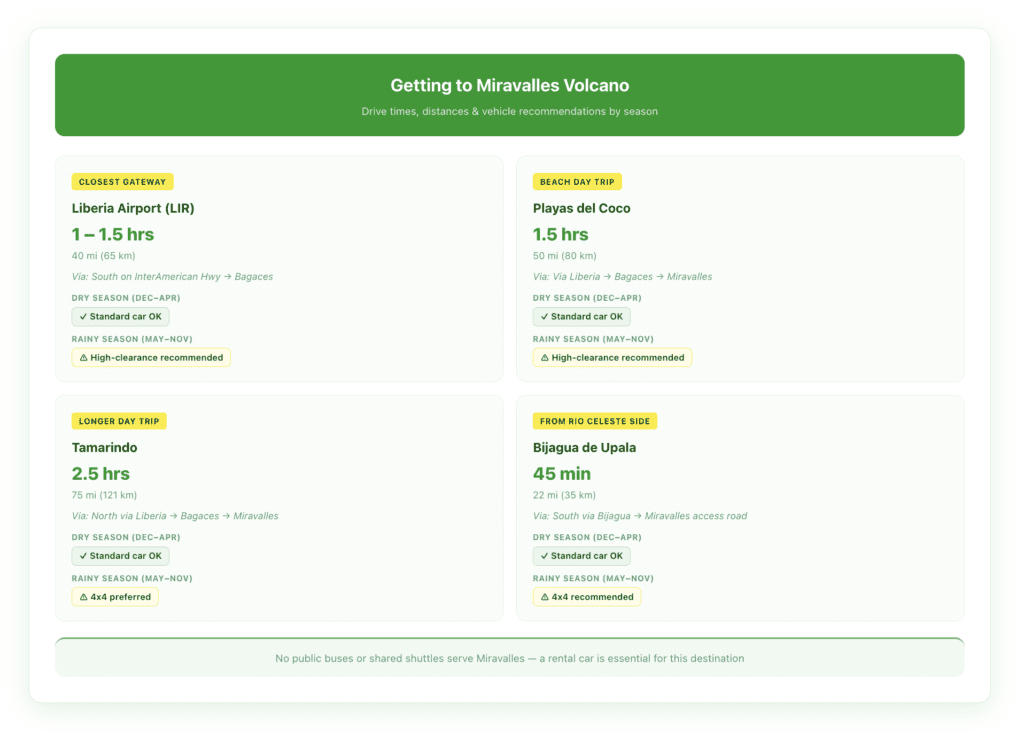
There’s no way to sugarcoat this one: you need a car. There’s no town center at Miravalles—just lodges, hot spring resorts, the geothermal plant, and volcanic activity sites spread across the volcano’s base. No public buses serve the area, and shared shuttles don’t include Miravalles on their routes. Your options are either renting a car at Liberia Airport or booking a guided tour with transportation included.
A high-clearance vehicle is the smart call rather than a strict requirement. The main roads from Bagaces are paved, but sections leading to specific attractions turn to gravel with potholes—especially during the rainy season, which runs May through November. A standard sedan can manage during dry season if you’re careful; a 4×4 removes the guesswork entirely. Understanding Costa Rica’s seasonal road conditions helps you decide which vehicle makes sense for your timing.
From Liberia or Guanacaste beaches: Take the InterAmerican Highway south to Bagaces, then follow signs toward the Miravalles Geothermal Plant. From Liberia Airport, the drive takes about 1 to 1.5 hours. From Playas del Coco, budget around 1.5 hours. From Tamarindo, plan on 2.5 hours.
From La Fortuna or Bijagua: If you’re coming from the Arenal area or wrapping up a Rio Celeste visit, enter from Bijagua de Upala. This scenic route takes roughly 45 minutes from Bijagua. It makes Miravalles a natural stop on a Guanacaste volcano road trip connecting La Fortuna to the Pacific beaches.
Beyond just getting there, having a car is essential once you arrive because attractions spread over a wide area, there are zero taxis or ride-share services operating near the volcano, and the nearest town with banks, pharmacies, and groceries is Bagaces (30 minutes) or Liberia (1 hour away).
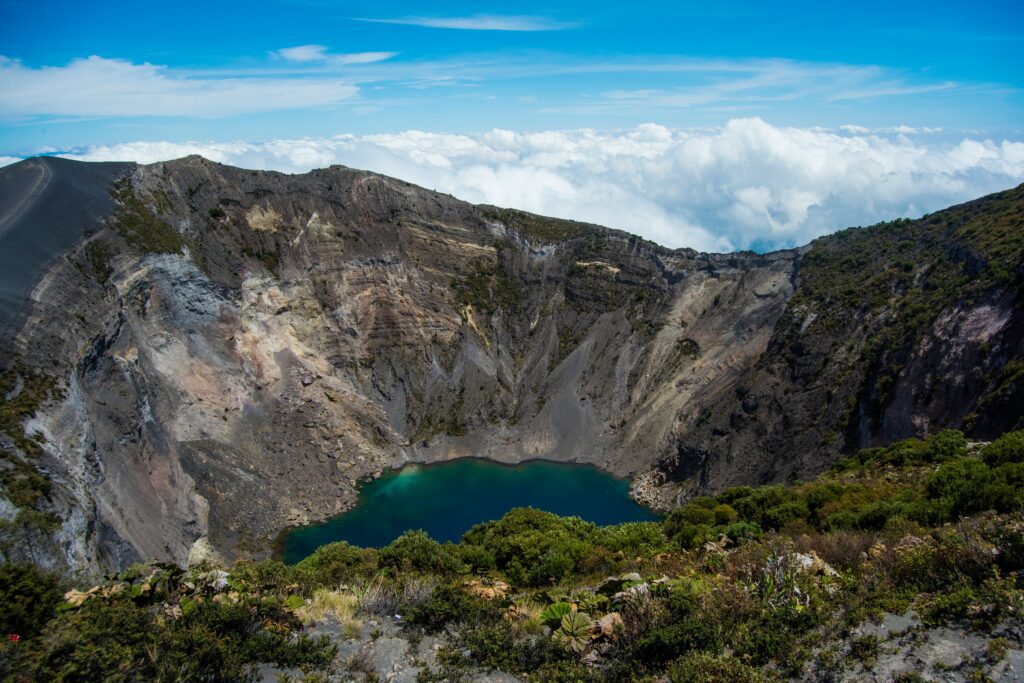
What Makes Miravalles Worth the Trip?
Why Does a Dormant Volcano Have So Much Activity?
This is the most common question, and the answer is what makes Miravalles genuinely interesting. The Instituto Costarricense de Electricidad (ICE) operates Costa Rica’s largest geothermal plant on the volcano’s southwestern slopes, and according to Wikipedia’s coverage of Costa Rica’s renewable energy, the Miravalles Geothermal Field—opened in 1994—produces approximately 163 MW and represents about 14% of Costa Rica’s national electricity system capacity.
The same underground heat that generates electricity also creates the hot springs, bubbling mud pots, and steaming fumaroles that make Miravalles such an interesting destination for visitors. At places like Las Hornillas, the volcanic activity isn’t fenced off behind a viewing platform—you walk among it on trails that pass actual boiling mud pots and steam vents. That kind of access is unusual anywhere in Costa Rica’s volcanic destinations.
How Does Miravalles Stack Up Against Other Volcanoes?
Miravalles is actually taller than Arenal Volcano (6,653 feet vs. 5,479 feet / 2,028 meters vs. 1,670 meters), but it gets a fraction of the visitor traffic. Rincón de la Vieja offers comparable volcanic features and is slightly more developed, with established national park trails. The real distinction at Miravalles is the Las Hornillas experience—walking directly through an active volcanic field is something even Rincón de la Vieja’s famous boiling mud pots trail can’t fully replicate.
The Tico Times has highlighted Miravalles as a compelling off-the-beaten-path option since receiving national park status in 2019. Understanding which vehicle to rent for your specific Costa Rica route is worth thinking through before heading this way.
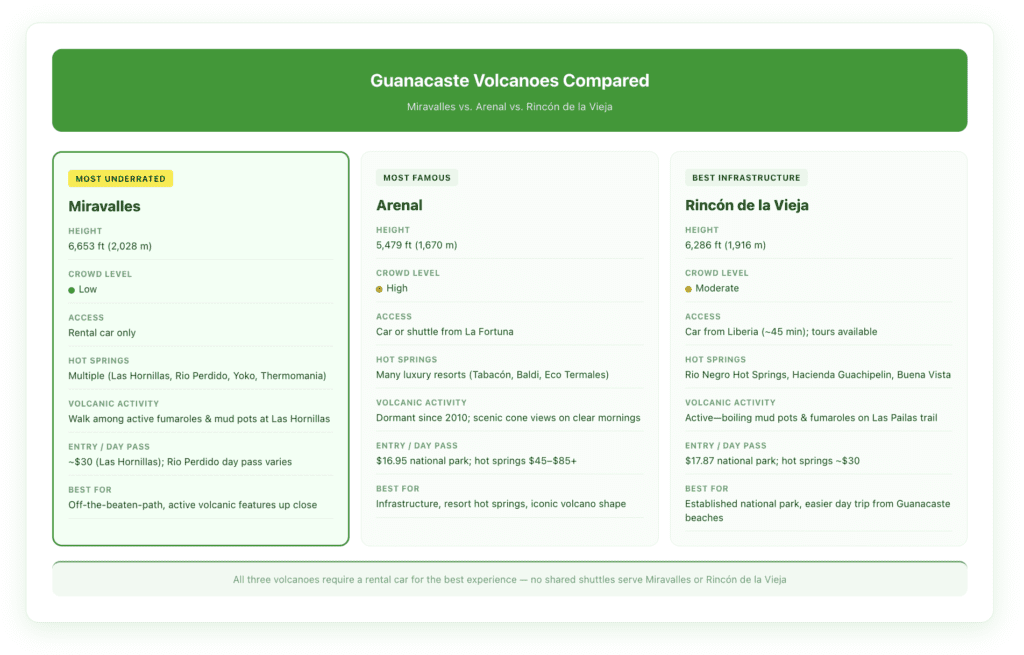
What Can You Do at Miravalles?
Unlike a national park with a single entrance and designated trails, Miravalles operates through a collection of private reserves and resorts spread around the volcano’s base. That means more variety—and a bit more planning.
Which Hot Springs Are Worth Your Time?
Las Hornillas is the authentic choice and the one that stands apart from anything at comparable destinations. This family-run operation sits about 3 km from the geothermal plant and features three hot spring pools (one very hot, one hot, one cold), mud baths, and trails that pass directly through bubbling volcanic mud pots and steam vents. Entry runs approximately $30 per person. They also have small cabins and camping for overnight stays. It’s the place to come if you want to actually feel like you’re inside a geothermal landscape rather than just watching it from a distance.
Rio Perdido is the upscale end of the Miravalles spectrum. Set in a private canyon with natural hot springs, volcanic mud baths, a spa, and a full adventure park, it’s the best option for travelers who want comfort alongside the volcanic experience. Day passes are available—worth booking in advance during high season. The resort runs its own ziplining, white water tubing, and mountain biking programs, making it possible to fill an entire day without leaving the property. National Geographic notes that Costa Rica’s geothermal hot springs represent some of the most mineral-rich thermal waters in Central America—Miravalles being a prime example.
Thermomania functions more like a water park than a hot spring retreat. It’s popular with Costa Rican families on weekends and holidays, features pools themed around cartoon characters and waterslides, and has a trail that climbs to nearly 6,560 feet (2,000 meters) on the volcano’s slopes. The Thermomania website lists current hours and pricing, which can vary by season. Good if you’re traveling with kids who want more than just pools.
Yoko Termales offers five pools around 100°F (38°C), a child-friendly option, picnic tables, a wet bar, sauna, and a waterslide—a solid mid-range choice. Check the Yoko Termales website for current day-pass pricing before your visit. Hotel Colinas del Miravalles rounds out the options with seven thermal pools, a restaurant serving home-cooked meals, and rustic cabins at a good value if you’re staying overnight.
What About Hiking and Adventure Activities?
Summit access to the Miravalles crater is reserved for researchers and requires special permission—it’s not open to the public. But the hiking available through the private reserves is genuinely good. Birdwatchers will find 250+ species in the protected zone, including trogons, toucans, and multiple hummingbird species. Howler monkeys, white-faced capuchins, and coatis are common sightings on forest trails. The SINAC Guanacaste Conservation Area oversees biodiversity protection across the volcanic zone, which also helps explain why wildlife density here is higher than at more heavily visited destinations.
Rio Perdido has the most extensive adventure program, with ziplining through canyon scenery, white water tubing on the river, mountain biking trails, and yoga decks. Las Hornillas offers trails to two waterfalls in addition to the volcanic activity circuit. Thermomania’s trail climbs to high elevation if you want a legitimate hike with views. Most trails here are moderate difficulty—accessible to average fitness levels without needing specialized gear.
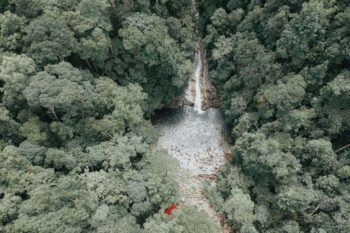
If you’re building a multi-destination day and want to tack on a waterfall stop, Llanos de Cortés Waterfall sits right off the InterAmerican Highway near Bagaces—a 5-minute walk from the parking lot leads to a swimmable cascade that makes a perfect stop on the drive to or from Miravalles.
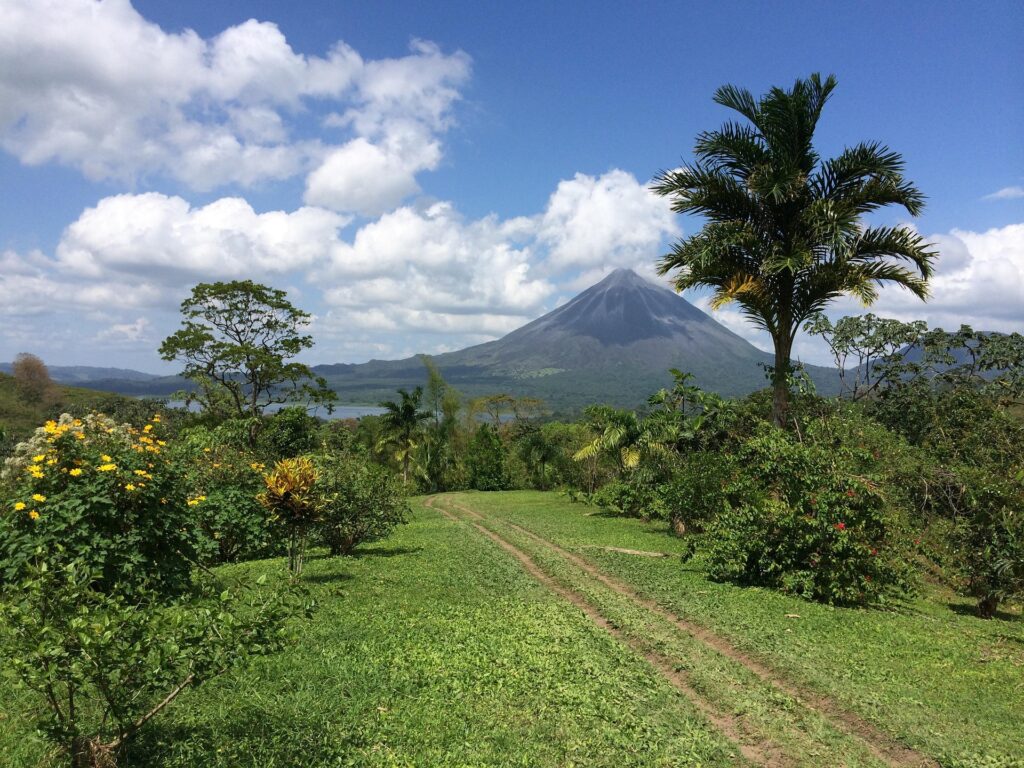
When Should You Go and What Should You Expect?
Dry season (December through April) brings the best road conditions and minimal afternoon rain—the easiest time to visit, especially if you’re keeping a standard sedan. The tradeoff is that this is Costa Rica’s peak tourist season overall, though Miravalles stays relatively quiet even then compared to Arenal or Rincón de la Vieja.
Green season (May through November) means afternoon showers and muddier access roads. A 4×4 is more important during these months. The upside: even fewer crowds than the dry season (which is already low), lush green landscapes, and lower accommodation prices across the board. The hot springs feel particularly good when it’s raining.
Temperature at the volcano’s base (around 1,600 to 2,600 feet / 500 to 800 meters elevation) runs around 84°F (29°C) during the day. Higher elevations cool down noticeably—the summit area can drop to 43°F (6°C). Pack a light layer if you’re planning any hiking that goes up in elevation.
The practical reality: download offline maps before you leave your hotel. Cell service drops near the volcano, and there are no navigation signs pointing you through the access roads. Also bring cash—smaller operations like Las Hornillas don’t always accept credit cards, and the nearest ATM is 30 minutes away in Bagaces.

Where Should You Stay Near Miravalles?
Rio Perdido is the clear choice at the luxury end—stylish canyon bungalows, excellent restaurant, and access to both the adventure park and natural thermal springs. It works well for couples or anyone wanting a full resort experience in a remote volcanic setting.
Hotel Colinas del Miravalles hits the middle ground: family-run, seven thermal pools, home-cooked meals, and modest cabins. Good value for the experience you get, and the owners know the area well.
Las Hornillas offers cabins and a camping area at the budget end. The accommodation is simple, but you have direct access to the volcanic activity trail and waterfalls right from where you’re sleeping, which is the real draw.
If you want a base with more services, Bijagua de Upala (45 minutes away) is a small town that caters to visitors exploring both Miravalles and Tenorio Volcano, including Rio Celeste. Bagaces (30 minutes from the volcano area) is the nearest actual town with banks, pharmacies, and a supermarket.
How to Build a Multi-Volcano Itinerary Around Miravalles
Miravalles sits at the strategic center of Guanacaste’s volcanic triangle. Here’s how it fits into a longer trip, starting from Liberia Airport:
Day 1: Fly into Liberia, pick up your rental car, and drive to Bijagua de Upala (1.5 hours).
Day 2: Hike to Rio Celeste in Tenorio Volcano National Park.
Day 3: Morning birdwatching at a private reserve in Bijagua, afternoon drive to Miravalles (45 minutes), check into Rio Perdido or Las Hornillas.
Day 4: Full day at Miravalles—Las Hornillas volcanic trail in the morning, hot springs and adventure activities in the afternoon.
Day 5: Drive to Rincón de la Vieja area (1.5 hours), optional stop at Rincon Thermals & Adventures.
Days 6-7: Beach time in Guanacaste—Playas del Coco (1 hour from Rincón de la Vieja), Tamarindo (2 hours), or Papagayo Peninsula.
Day 8: Return to Liberia Airport.
This route hits three volcanoes across eight days with genuine variety: Rio Celeste’s surreal blue water, Miravalles’ walk-among-it volcanic activity, and Rincón de la Vieja’s established national park trails—then a proper beach finish. For a broader look at Costa Rica’s two-week road trip options, this volcano triangle pairs well with additional time at Arenal or on the Caribbean coast. If you’re figuring out which rental vehicle fits your Costa Rica itinerary, the Miravalles route is one where a high-clearance SUV genuinely earns its keep—especially during rainy season.
The best way to do Miravalles justice—whether as a day trip or an overnight stop—is having your own wheels and giving yourself the flexibility to explore at your own pace. If you’re still sorting out car rental logistics for your Guanacaste trip, contact Vamos Rent-A-Car—our team knows these roads well and can help match the right vehicle to wherever you’re headed.
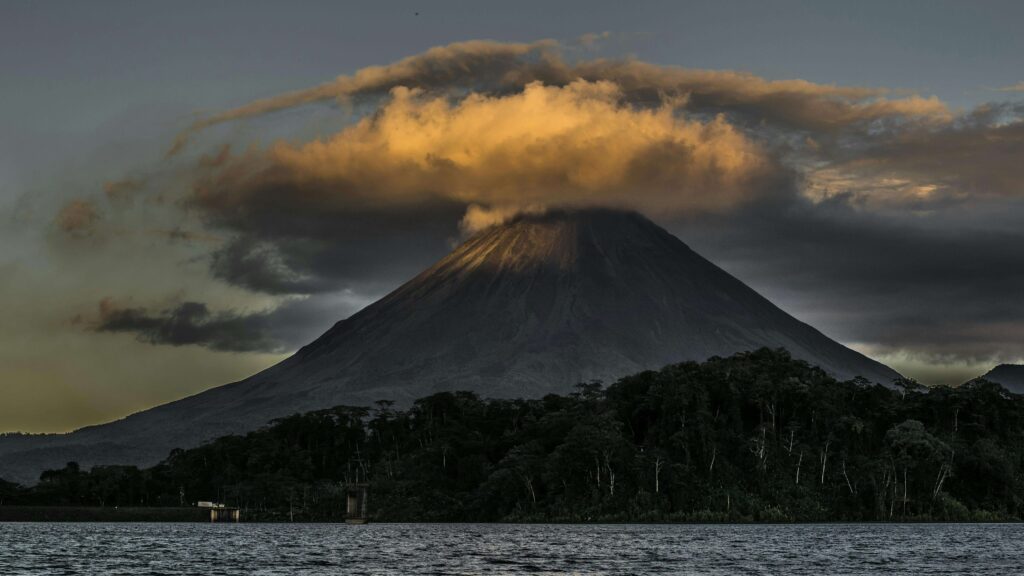
Frequently Asked Questions
Is Miravalles Volcano active or extinct?
Miravalles is dormant, not extinct. The only recorded historical eruption was a small steam explosion on the southwestern flank in 1946. Before that, geological evidence points to eruptions around 7,000 years ago. The volcano itself hasn’t erupted in nearly 80 years, but significant geothermal activity continues beneath the surface—those bubbling mud pots, steam vents, and hot springs are evidence of ongoing underground heat. That same geological energy powers Costa Rica’s largest geothermal plant, which has been operating at the site since 1994.
How does Miravalles compare to Rincón de la Vieja for a day trip?
Both offer volcanic hot springs, mud baths, and adventure activities—but the experience feels different. Rincón de la Vieja has more developed national park infrastructure, established trail systems, and is slightly more accessible from the main Guanacaste beach towns (it’s closer to Liberia). Miravalles requires a bit more effort to reach, but rewards that effort with Las Hornillas: an active volcanic trail where you walk directly among bubbling mud pots and fumaroles at closer range than almost anywhere else in Costa Rica. If you can only do one, Rincón de la Vieja is the more beginner-friendly choice; Miravalles is better for travelers who want something genuinely off the beaten path with more authentic volcanic access.
What’s the best way to visit Las Hornillas?
Las Hornillas is a family-run operation, not a national park, so there’s no reservation system. Entry is approximately $30 per person and includes access to the volcanic activity trail, three hot spring pools, and the mud baths. Wear closed-toe water shoes—the terrain is rocky,y and some sections are slippery near the steam vents. The volcanic trail takes about 60 to 90 minutes at a comfortable pace. Bring cash, as card payment isn’t always available. If you’re doing a day trip from Tamarindo or Playas del Coco, plan to arrive at Las Hornillas by midday to give yourself enough time before the drive back.
Can you combine Miravalles with Rio Celeste in one day?
It’s a long day, but doable for motivated travelers. Rio Celeste in Tenorio Volcano National Park sits about 1.5 hours from Miravalles via Bijagua de Upala, so the total round-trip driving adds up. A better approach is splitting them over two days—Rio Celeste one day, Miravalles the next—especially if you’re staying in Bijagua de Upala, which puts you equidistant between the two volcanoes. If time is genuinely tight, prioritize whichever matters more: Rio Celeste for its unmistakable turquoise waterfall, Miravalles for the up-close volcanic activity experience.
What’s the closest town to Miravalles with full services?
Bagaces is the nearest town with banks, pharmacies, a supermarket, and basic restaurants—about 30 minutes from the main Miravalles visitor area. Liberia, about 1 hour away, has full urban services including hospitals, larger supermarkets, and all major banks. Bijagua de Upala (45 minutes away on the other side of the volcano) is a small town that caters specifically to nature travelers and has a few sodas, lodges, and tour operators, but limited services otherwise. The practical takeaway: handle all your banking, grocery shopping, and fueling before you head up to the volcano area.
Is Miravalles worth visiting in the rainy season?
Yes, with some extra planning. The volcanic features (mud pots, hot springs, steam vents) are completely unaffected by rainfall—if anything, soaking in hot springs during a light rain is its own experience. The access roads can get muddy, which is where a 4×4 pays off. Accommodation prices drop noticeably during the green season, and you’ll have most of the area to yourself. The main thing to avoid is planning the drive on roads you don’t know well during heavy evening rain. Stick to daytime driving, download offline maps, and you’ll be fine.
Does Miravalles have any wildlife worth seeing?
More than most people expect. The protected zone around the volcano hosts 250+ bird species, including trogons, toucans, and multiple hummingbird varieties—making it a legitimate birdwatching destination. Howler monkeys, white-faced capuchins, and coatis are commonly spotted on forest trails around the reserves. The transition between tropical dry forest at lower elevations and cloud forest higher up creates habitat diversity that supports a broader range of species than either ecosystem alone. Early morning on any of the forest trails gives you the best shot at wildlife sightings before the heat picks up.