
Last Updated on September 4, 2026
La Fortuna Waterfall: What's Covered
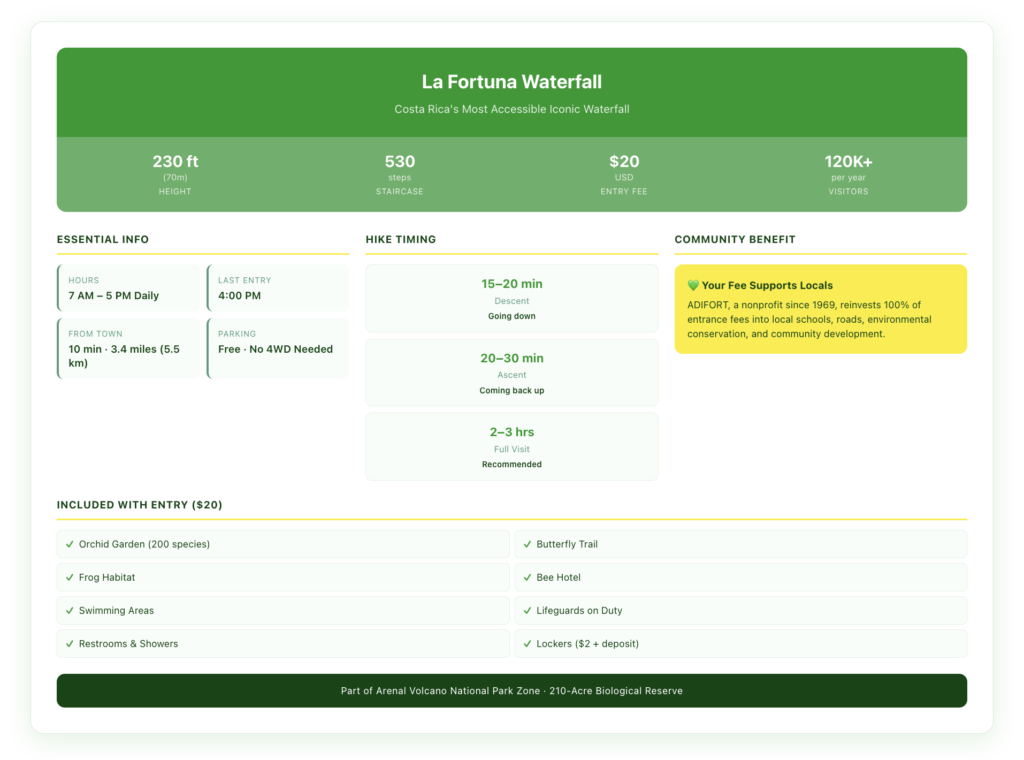
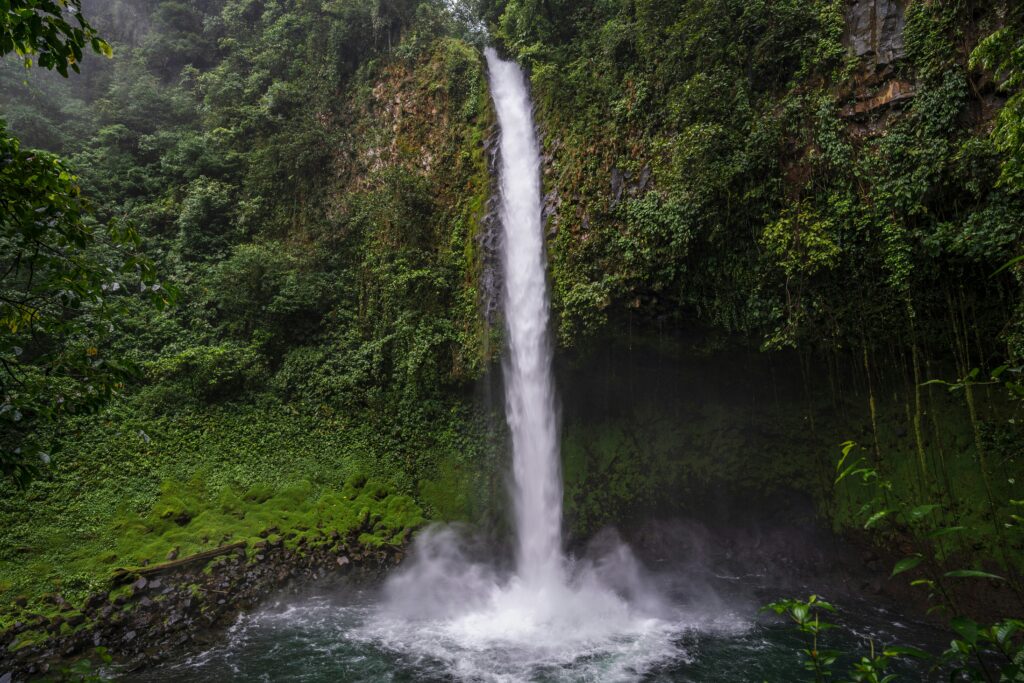
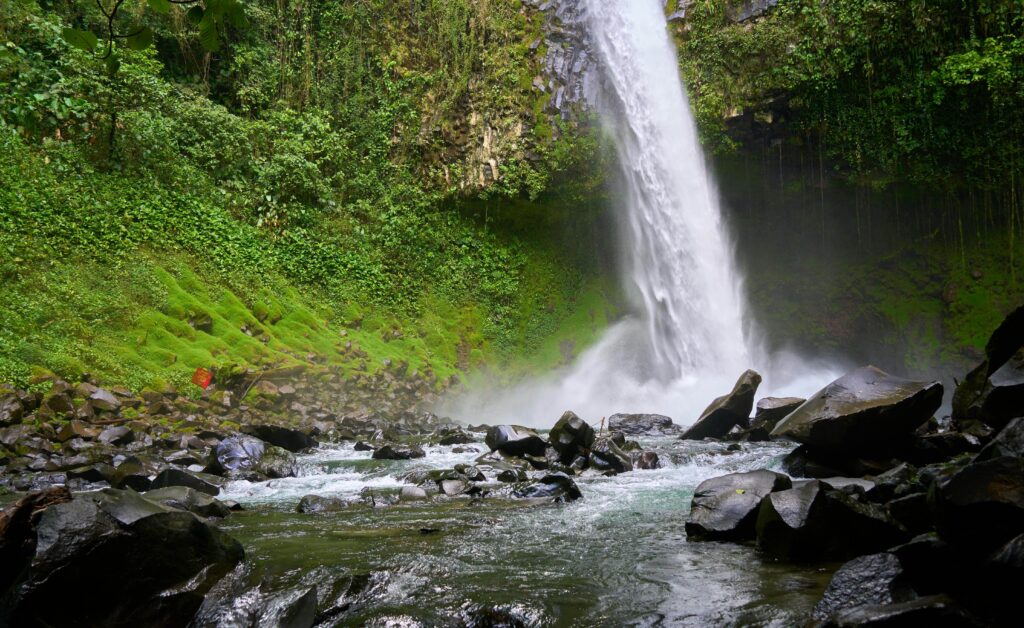
La Fortuna Waterfall plunges 70 meters (230 feet) into a crystal-clear swimming pool at the base of dormant Chato Volcano, making it one of Costa Rica’s most photographed natural attractions. Located just 10 minutes from La Fortuna town, this 210-acre ecological reserve welcomes over 120,000 visitors annually who descend 530 steps through premontane tropical wet forest to reach the thundering cascade.
Quick Facts
- Location: 5.5 km south of La Fortuna on Route 142 (10-minute drive, fully paved road)
- Entry Fee: $20 foreign adults, $9 Costa Rican residents, children under 8 free—supports ADIFORT community projects
- Trail: 530 steps (0.75 miles round trip), 15-20 minutes down, 20-30 minutes up with rest benches every 100 steps
- Hours: 7 AM-5 PM daily (last entry 4 PM)
- Swimming: Allowed in designated downstream areas with lifeguards; pool beneath falls too dangerous for swimming
- Included: Orchid garden (200 species), butterfly trails, frog habitat, bee hotel, facilities, restaurant
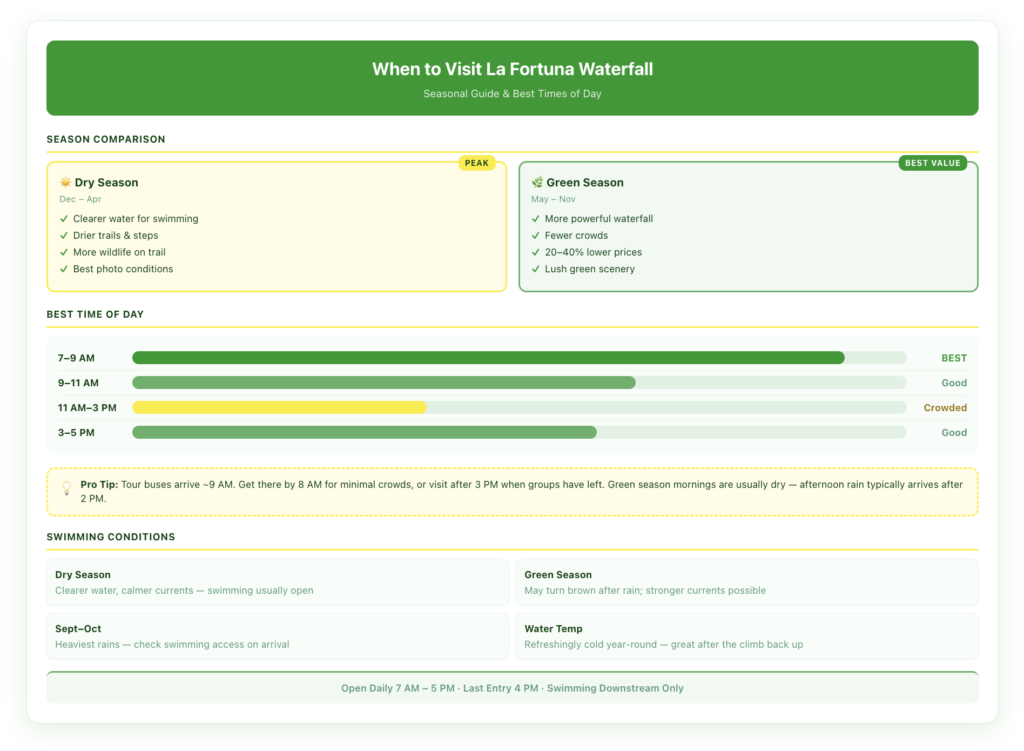
- Best Time: Before 9 AM or after 3 PM to avoid crowds; dry season (December-April) for clearest water
La Fortuna Waterfall offers genuine rainforest experiences perfect for travelers exploring the Arenal Volcano region. Many travelers combine the morning waterfall visit with afternoon Arenal Volcano National Park hiking, hanging bridges, or hot springs. Access from San José takes 3 hours, from Liberia Airport 2.5-3 hours. The dry season brings the clearest water and drier trails but higher prices and crowds, while the green season showcases more powerful falls with fewer visitors.
If you need any help with a Costa Rica car rental, contact us now!
La Fortuna Waterfall plunges 230 feet (70 meters) into a crystal-clear swimming pool at the base of the dormant Chato Volcano, making it one of Costa Rica’s most photographed natural attractions. Located just 10 minutes from La Fortuna town, this 210-acre (85-hectare) ecological reserve welcomes over 120,000 visitors annually who descend 530 steps through premontane tropical wet forest to reach the thundering cascade. Entry costs $20 for foreign adults, with children under 8 free, and the reserve includes an orchid garden with 200 native species, butterfly trails, a frog habitat, and a bee hotel, which are all managed by ADIFORT, the nonprofit organization that reinvests every entrance fee into community development projects throughout La Fortuna.
Key Takeaways
- The 530-step descent takes 15-20 minutes down and 20-30 minutes back up, with benches every 100 steps to take a break.
- Swimming is allowed in designated areas downstream from the falls, where currents are calmer and lifeguards are on duty.
- December through April offers clearer water and drier trails; May through November brings more powerful waterfalls and fewer crowds.
- Your entrance fee directly supports local schools, roads, environmental conservation, and community enrichment through ADIFORT.
- Arriving before 9 AM or after 3 PM helps you avoid tour bus crowds
- No 4×4 required because the road from La Fortuna is fully paved with free parking.
- El Salto, the free swimming hole nearby, has no lifeguards and multiple drowning deaths on record. Read the safety section before you go.
Why Is La Fortuna Waterfall So Popular?
The waterfall sits within Arenal Volcano National Park’s northern zone, where the Fortuna River cuts through ancient volcanic rock before cascading over the cliff face. The reserve’s 210 acres (85 hectares) of premontane tropical wet forest create a biodiversity corridor connecting the Arenal Volcano with Cerro Chato’s dormant crater lake.
This waterfall is set apart from others in Costa Rica by its accessibility combined with authenticity. Unlike remote cascades requiring hours of hiking, La Fortuna delivers a dramatic 230-feet (70-meter) drop just 3.4 miles (5.5 kilometers) from town. The well-maintained staircase means families with older children, seniors who can manage stairs, and visitors of varying fitness levels can experience the falls, although anyone with knee problems or breathing difficulties should consider viewing from the upper platform instead.
What Makes ADIFORT’s Management Unique?
The Integral Development Association of La Fortuna has managed this natural treasure since 1969. Unlike private tour operators, this nonprofit channels all entrance fees directly into community projects: road infrastructure, public school improvements, scholarships for local students, environmental conservation, sports facilities, and public safety initiatives.
Recent TripAdvisor recognition placed La Fortuna Waterfall in the top 1% of global attractions, which is a testament to ADIFORT’s sustainable management model. Your $20 entrance fee contributes to maintaining the well-built staircases, employing lifeguards, preserving the surrounding forest, and supporting initiatives that benefit the entire La Fortuna community.
How Long Is the La Fortuna Waterfall Hike?
The trail covers approximately 0.75 miles (1.2 km) round trip with about 530 steps carved into the hillside. Expect 15-20 minutes for the descent and 20-30 minutes for the climb back up, although humidity and heat can extend your return journey.
What Should You Expect on the Trail?
You’ll find the first viewpoint shortly after entering the natural area, and it offers a distant perspective of the waterfall from approximately 660 feet (200 meters) away. This observation platform is fully accessible with no stairs, which is perfect for visitors with mobility limitations.
From there, the maintained staircase begins its switchback descent through the forest canopy. Every 100 steps or so, benches appear where you can catch your breath and observe the surrounding rainforest. Howler monkeys, toucans, sloths, and countless butterflies frequent the trail, so keep your camera ready during rest stops.
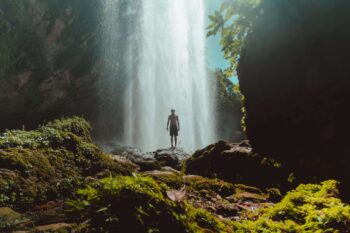
The handrails throughout are sturdy, with some designed to look like natural branches. The final section before the falls becomes misty and can be slippery, so grip the rails and watch your footing. Once you cross the small bridge at the bottom, the full power of the waterfall reveals itself with its roar, the mist, and the iconic jade-green pool surrounded by moss-covered boulders.
Can You Swim at La Fortuna Waterfall?
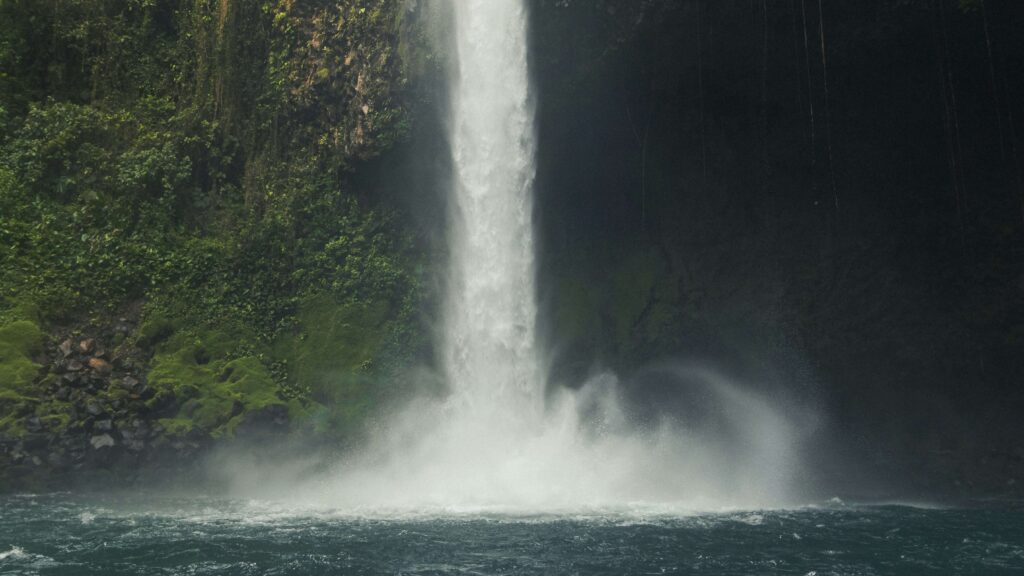
Yes, but with important caveats. The pool directly beneath the cascade has strong currents and jagged rocks, which makes it too dangerous for swimming. However, designated swimming areas downstream offer calmer, crystal-clear pools with sandy bottoms where you can safely cool off.
Where Exactly Can You Swim?
Follow the path to the left of the main viewing platform, and you’ll reach the safer swimming zone about 30 seconds downstream. Here, the current calms considerably, and you’ll find lifeguards monitoring the area during operating hours. The water is refreshingly cold, which is a welcome relief after the humid climb, but prepare for the initial shock.
During the dry season (December through April), the water runs clearer, and the currents are more manageable. Heavy rains during the green season (May through November) can turn the water brown and strengthen currents significantly,y so staff may close swimming areas during particularly intense rain periods for your safety. Always check at the ticket office about current conditions before planning to swim.
Is El Salto, the Free Alternative, Safe?
El Salto is the free swimming hole downstream on Route 702, under the bridge, with a rope swing and no entrance fee. Before you add it to the itinerary, you should know its safety record.
Two people drowned at El Salto in 2026, twenty-two days apart. In the first incident, emergency crews pulled three other people from the water alongside the victim, who had been pinned against a rock by the current. A 15-year-old died there in 2024 after diving in and being caught in a whirlpool. Local authorities have installed warning signage, and the regional tourism chamber is petitioning national agencies to intervene, but as of now there are no lifeguards and no one closing the pool when the river runs high.
If you visit anyway:
- Don’t use the rope swing or jump from the rocks
- Never swim alone, and never after drinking
- Keep children within arm’s reach at all times
- Stay out after heavy rain, when the current is strongest
- If the water darkens or leaves start floating past, rain is falling upstream. Leave the water immediately.
- No swimming at night
The swimming areas inside the La Fortuna Waterfall reserve are supervised by lifeguards during operating hours, and staff close them during dangerous conditions. That’s the $20 difference.
When Is the Best Time to Visit La Fortuna Waterfall?
The waterfall flows year-round, but your experience varies significantly by season and time of day.
Dry Season: December Through April
Costa Rica’s dry season brings clearer skies, drier trails, and calmer swimming conditions. Water runs clearer, steps stay less slippery, and you’re more likely to spot wildlife along the trail. The tradeoff? Higher hotel prices, more tour groups, and busier conditions overall.
Green Season: May Through November
The green season transforms the waterfall into a more powerful spectacle. Increased rainfall means the cascade thunders with impressive force, the surrounding forest glows intensely green, and visitor numbers drop noticeably. Mornings typically stay dry with rain arriving after 2 PM, so early visits still work well.
September and October bring the heaviest rains, occasionally turning the pool brown and limiting swimming access. But hotel rates drop 20-40%, tours book more easily, and you’ll share the viewing platforms with far fewer visitors.
What Time Should You Arrive?
The reserve opens at 7 AM and closes at 5 PM, with the last entry at 4 PM. For the best experience, arrive by 8 AM before tour buses begin arriving around 9 AM. Midday (11 AM to 2 PM) brings peak crowds and maximum heat for the climb back up. Late afternoon visits (after 3 PM) work well too, with softer light for photography and thinner crowds.
How Do You Get to La Fortuna Waterfall?
The waterfall sits approximately 3.5 miles (5.5 kilometers) south of downtown La Fortuna along Route 142, which is a fully paved road accessible by any vehicle type.
Driving Yourself
This is our recommended approach. The drive takes about 10 minutes from La Fortuna’s central park, and free parking awaits at the entrance. Renting a car in Costa Rica gives you the flexibility to arrive early, combine the waterfall with other Arenal activities, and explore at your own pace.
If you’re flying into Liberia Airport, La Fortuna is approximately 2.5-3 hours east. From San José, expect a 3-hour drive through scenic mountain terrain. The roads are well-maintained, and driving in Costa Rica is straightforward with Waze navigation.
Taking a Taxi
Taxis from downtown La Fortuna cost approximately $10-15 each way. Arrange round-trip transportation in advance, or the waterfall staff can call a taxi for your return. This option works well if you’re staying in town and prefer not to drive.
Walking
Some visitors walk the 3.5 miles (5.5 kilometers) from town, but we don’t recommend this. The road lacks sidewalks in sections, cars move quickly, and after descending and climbing 530 steps in tropical humidity, the walk back seems far less appealing than it did at breakfast.
Joining a Tour
Multiple tour operators combine La Fortuna Waterfall with other attractions like Arenal hanging bridges, hot springs, or volcano hikes. Tours typically cost $75-120 and include transportation, entrance fees, guide services, and often lunch. These work well if you lack transportation or prefer structured experiences.
Horseback Riding
A unique alternative: horseback tours take approximately 45 minutes through pastures and forest with potential wildlife sightings along the way. You’ll still need to walk down the stairs, but the scenic ride replaces the drive.
What Should You Bring to La Fortuna Waterfall?
The right gear makes the difference between a memorable experience and a miserable one.
Essential Items
Closed-toe shoes with a good grip top the list because the steps get wet from the waterfall spray and occasional rain. Flip-flops work for the swimming area but not for the staircase. Water shoes like Keens serve double duty if you plan to swim.
Bring at least 3 ounces (one liter) of water per person. The humidity and 500+ steps will dehydrate you quickly, and while there’s a cafe at the entrance, nothing is available at the waterfall base. Snacks help too, and granola bars or fresh fruit from the town market provide energy for the climb back.
A waterproof bag or dry sack protects your phone and electronics from mist and unexpected rain. Even without swimming, the spray near the falls soaks anything in your hands.
If You’re Swimming
Pack your swimsuit or wear it under clothes to save time, and bring a quick-dry towel and a change of clothes. Lockers at the entrance cost $2 with a $10 refundable deposit, which is worth it to secure valuables while you’re in the water.
Use biodegradable sunscreen and insect repellent if you plan to swim. Regular products harm the river ecosystem, and the Costa Rica tourism board recommends eco-friendly alternatives at all natural swimming areas.
Nice to Have
Binoculars enhance wildlife spotting along the trail. A rain jacket stays useful year-round, as even the dry season brings occasional showers. A hat and regular sunscreen protect you during the descent through forest clearings.
Cash in colones or US dollars works at the entrance, cafe, and gift shop, although credit cards are accepted for tickets.

What Else Can You Do at La Fortuna Waterfall?
Beyond the main cascade, the reserve offers several additional experiences included with your entrance fee.
Orchid Garden
Near the entrance, trails wind through gardens showcasing nearly 200 orchid species native to Costa Rica, and even when the flowers are not in bloom, the shaded paths provide a peaceful break after climbing the stairs. Educational signage explains the conservation importance of these often-threatened plants.
Butterfly and Pollinator Trail
This short loop features flowering plants that attract butterflies, hummingbirds, and bees. Watch for the Blue Morpho, which is one of the world’s largest and most striking butterflies due to its brilliant iridescent blue wings.
Frog Habitat and Bee Hotel
Recent additions to the Waterfall experience include a frog habitat and a bee hotel, supporting local pollinator populations while providing educational opportunities for visitors interested in Costa Rica’s incredible biodiversity.
Rio Lounge Restaurant
Located behind the visitor center, this open-air restaurant serves Costa Rican classic dishes like rice and chicken, sandwiches, and burgers from 9 AM to 5 PM. The passion fruit drinks come highly recommended.
How Does La Fortuna Waterfall Compare to Other Costa Rica Waterfalls?
Costa Rica boasts hundreds of waterfalls, but La Fortuna stands out for specific reasons.
Accessibility
Few major waterfalls offer this combination of dramatic height and easy access. Río Celeste in Tenorio Volcano National Park features that famous blue color but requires a longer hike and doesn’t permit swimming. Monteverde’s waterfalls involve steeper terrain. La Fortuna delivers spectacular scenery within a 2-3-hour half-day experience.
Swimming
The safe swimming areas downstream set La Fortuna apart. Many Costa Rican waterfalls prohibit swimming or have dangerous conditions. Here, you can cool off after the hike with lifeguards watching over designated areas.
Community Impact
Your entrance fee at La Fortuna directly benefits the local community through ADIFORT’s nonprofit model, which is something you won’t find at privately operated attractions where profits leave the area.
What Else Should You Do Near La Fortuna Waterfall?
The waterfall fits easily into a half-day morning or afternoon, leaving time for other Arenal experiences.
Hot Springs
After 1,000+ steps in tropical humidity, Arenal’s hot springs feel like heaven. Options range from budget-friendly public pools to luxury resorts like Tabacón with thermal waterfalls flowing through landscaped gardens. The minerals in volcano-heated water soothe tired muscles perfectly.
Volcano Experiences
The Arenal Volcano last erupted in 2010 and now sits dormant, but its perfect cone shape remains Costa Rica’s most iconic volcanic silhouette. The 1968 Trail and Mirador El Silencio offer hikes across old lava flows with stunning viewpoints.
Hanging Bridges
Mistico Arenal Hanging Bridges Park provides canopy-level views of the rainforest without the physical demands of ziplining. The series of suspension and fixed bridges crosses through a primary forest where wildlife sightings are common.
Lake Arenal
Costa Rica’s largest lake offers kayaking, stand-up paddleboarding, windsurfing, and fishing with the volcano as your backdrop. The drive around the lake reveals small towns, local restaurants, and artisan shops.
Venado Caves
For something completely different, the Venado Caves offer underground exploration through limestone formations about 45 minutes from La Fortuna. The caves stay cool regardless of the weather to provide a refreshing break from tropical heat.
Plan Your La Fortuna Waterfall Visit
La Fortuna Waterfall represents Costa Rica at its best: dramatic natural beauty, sustainable tourism supporting local communities, well-maintained infrastructure that balances accessibility with preservation, and that classic pura vida atmosphere where adventure meets relaxation.
Whether you’re starting your Costa Rica road trip in the Arenal region or passing through on a longer itinerary, this waterfall deserves a spot on your list. Arrive early, bring proper shoes, budget 2-3 hours for the full experience, and don’t skip the orchid garden on your way out.
Ready to explore Costa Rica’s waterfalls, volcanoes, and rainforests at your own pace? Reserve your rental car and discover why having your own wheels transforms a Costa Rica vacation from good to unforgettable.
Frequently Asked Questions
How Long Is the Hike to La Fortuna Waterfall?
The round-trip hike covers approximately 0.75 miles (1.2 km) with about 530 steps. Plan 15-20 minutes for the descent and 20-30 minutes for the climb back up. Most visitors spend 2-3 hours total, including time at the waterfall base, swimming, and exploring the orchid garden.
Is La Fortuna Waterfall Worth It?
Absolutely. The $20 entrance fee includes a well-maintained trail, lifeguard-supervised swimming areas, an orchid garden with 200 species, butterfly trails, and facilities including restrooms, showers, changing rooms, lockers, and a restaurant. Every dollar supports community development in the area through the nonprofit ADIFORT.
Do You Need a Ticket for La Fortuna Waterfall?
Yes. Tickets cost $20 for foreign adults and $9 for Costa Rican residents. Children under 8 enter free. You can purchase tickets at the entrance with cash or credit card, or buy online at the official website to skip potential lines during peak season.
How Many Stairs Are There to La Fortuna Waterfall?
Approximately 530 steps lead from the upper viewpoint to the waterfall base. The staircase is well-maintained with handrails throughout and rest benches every 100 steps or so. The final section near the falls can be slippery from spray.
Do You Need a Tour Guide for La Fortuna Waterfall?
No guide is required because the trail is self-guided, well-marked, and easy to follow. However, guided tours offer convenient transportation if you lack a rental car, and combo tours efficiently combine the waterfall with hanging bridges, volcano hikes, or hot springs.
What Is the Best Time to Go to La Fortuna Waterfall?
Arrive before 9 AM or after 3 PM to avoid tour group crowds. December through April (dry season) offers clearer water and drier trails. May through November (green season) brings more powerful falls, fewer visitors, and lower prices, but plan morning visits before afternoon rains.
Do People Swim at La Fortuna Waterfall?
Yes, swimming is permitted in designated areas downstream from the main falls where currents are calmer. The pool directly beneath the cascade has dangerous currents and is not safe for swimming. Lifeguards monitor the swimming areas during operating hours. Water conditions depend on recent rainfall, and staff may close the swimming during heavy rain periods.
What Are the Best and Worst Months to Go to Costa Rica?
The best months depend on your priorities. December through April offers the driest weather and best beach conditions, but the highest prices and crowds. May through November brings greener landscapes, powerful waterfalls, fewer tourists, and better value, with mornings typically dry and rain arriving in the afternoons. September and October see the heaviest rainfall.