
Last Updated on June 19, 2026
Tortuga Island, Costa Rica: What's Covered
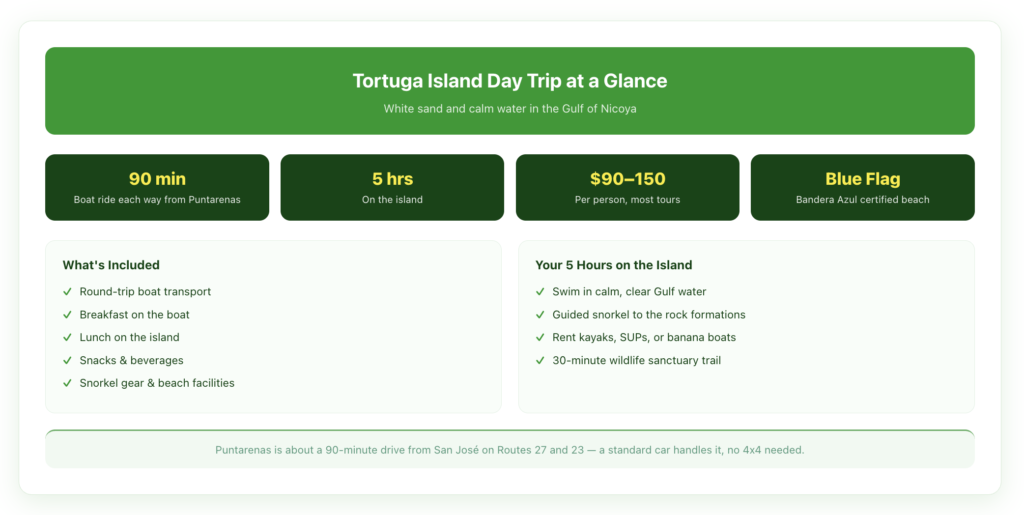
Tortuga Island, Costa Rica, is a Blue Flag-certified beach in the Gulf of Nicoya, reached by a scenic 90-minute boat ride from Puntarenas. Day tours run $90–150 and include breakfast, lunch, snorkel gear, and about five hours on the sand.
Quick Facts
- Location: 90-minute boat ride from Puntarenas, itself about 90 minutes from San José on Routes 27 and 23
- Vehicle: a standard car handles the drive — no 4×4 needed
- Time on the island: about 5 hours for swimming, snorkeling, kayaking, and a short nature trail
- Best season: dry season (December–April) for calm water; February–March are driest
- Family-friendly: calm, protected Gulf water that’s ideal for kids and non-swimmers
Top Nearby Experiences
- Manuel Antonio — beaches and wildlife about 2 hours south, easy to pair on a road trip
- Santa Teresa & Montezuma — Nicoya beach towns reached via the Puntarenas ferry.
- Caño Island — premium snorkeling near the Osa Peninsula if visibility beats beach time
Driving yourself means arriving fresh for early departures and exploring Puntarenas before or after.
If you need any help with a Costa Rica car rental, contact us now!
If you’ve been researching Costa Rica beaches and keep stumbling across Tortuga Island photos, you’re probably wondering if those white sand beaches and crystal-clear turquoise waters are actually real. They are! Tortuga Island, or Isla Tortuga, sits in the Gulf of Nicoya about 90 minutes by boat from Puntarenas to enjoy a day on a classic tropical island. The island holds the prestigious Blue Flag Ecological certification, which is an award given only to the cleanest beaches in the country.
Key Takeaways
- Most tours depart from Puntarenas, which is about 90 minutes from San José by car.
- The boat ride takes approximately 90 minutes each way through the scenic Gulf of Nicoya.
- You’ll spend around five hours on the island with time for snorkeling, kayaking, swimming, or just relaxing.
- Tour prices typically include breakfast, lunch, snacks, and beverages, plus snorkeling equipment.
- December through April offers the best weather, although tours run year-round.
- Having your own rental car gives you the flexibility to catch early morning departures and explore Puntarenas afterward.
Where Exactly Is Tortuga Island and How Do You Get There?
Tortuga Island sits at the southern tip of the Nicoya Peninsula in the Gulf of Nicoya. Getting there requires a boat, and the most common departure point is Puntarenas, which is a port town about a 90-minute drive from San José International Airport. If you’re staying in Jacó or anywhere along the Central Pacific coast, you can also arrange pickup from there, although it adds to your overall travel time.
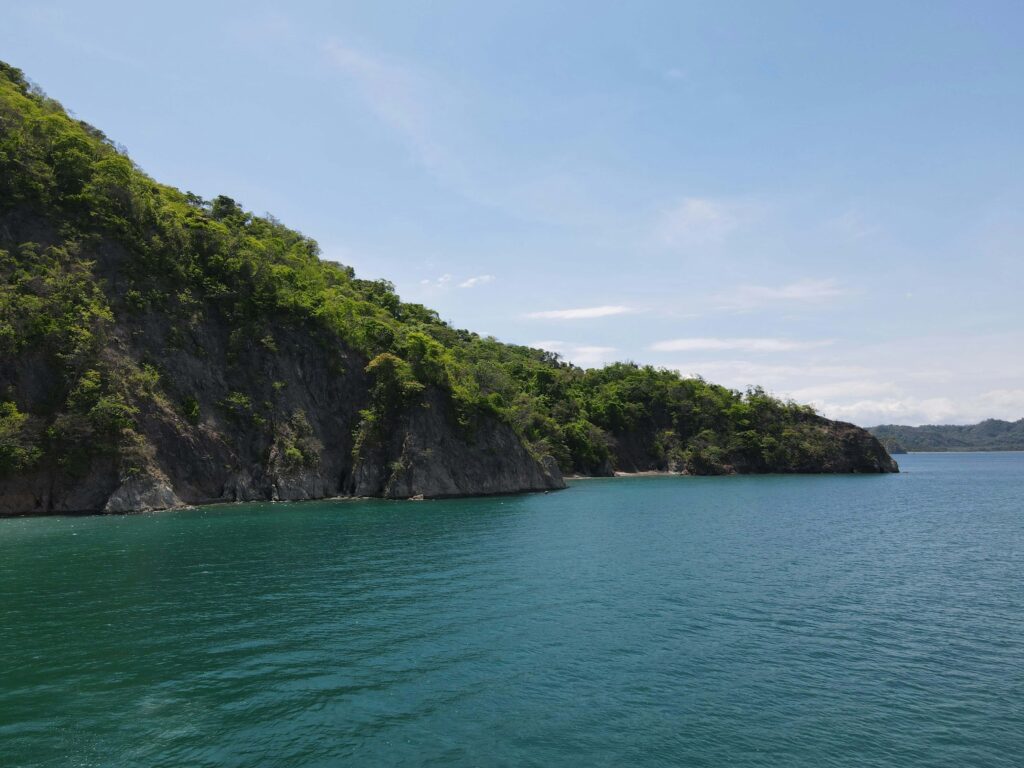
The cruise itself is part of the day’s experience. You’ll pass several islands in the Gulf of Nicoya, including the historic Isla San Lucas, which is a former prison island, the Curú Wildlife Refuge, and Venado Island. On clear mornings, the views across the water to the mainland mountains are spectacular, especially if you’re leaving at dawn when the light hits just right.
What’s the Best Way to Reach Puntarenas from San José?
The drive from San José to Puntarenas takes about 90 minutes on Routes 27 and 23. The roads are well-maintained, so a standard rental car works perfectly for this route. Most tour operators offer hotel pickups from San José starting around 6:30 AM, but having your own vehicle means you can drive the night before, grab a hotel near the dock, and avoid the pre-dawn scramble.
If you’re coming from Guanacaste or the northern beaches like Tamarindo, the drive is considerably longer and takes about 3.5 hours. If you’re taking this route, then combining the island trip with stops in Puntarenas and the Central Pacific region makes logistical sense.
What Can You Actually Do on Tortuga Island?
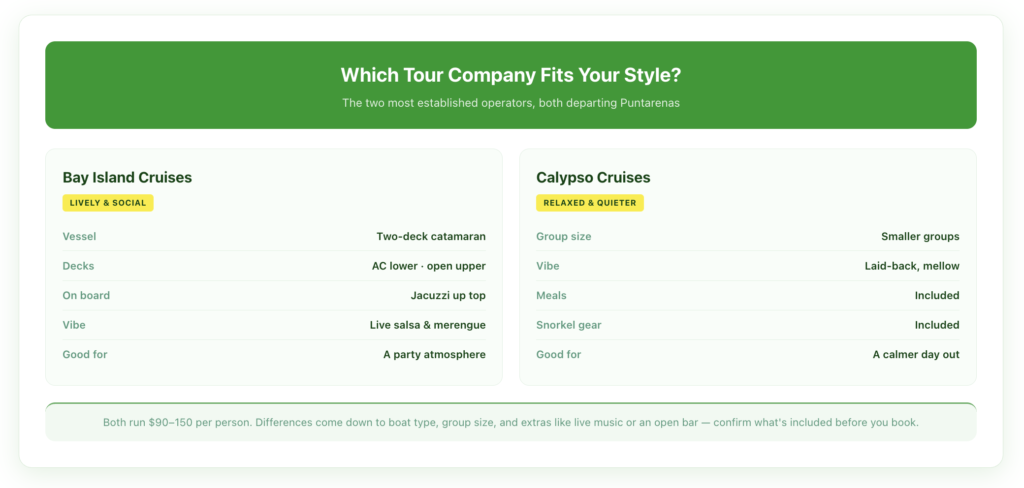
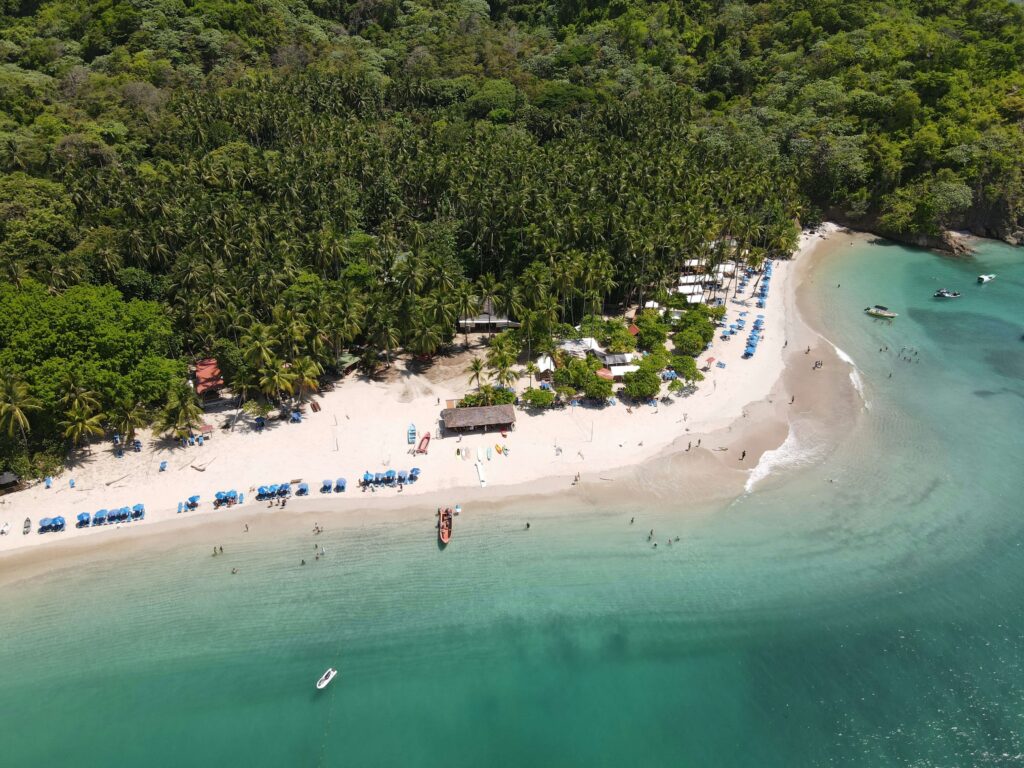
Once you arrive, the island belongs to you for about five hours. The beach is a pristine stretch of white sand lined with palm trees, and the calm, clear water makes it perfect for swimming, even if you’re not a strong ocean swimmer. A local family owns the island and maintains facilities including lounge chairs, umbrellas, bathrooms, and a small bar area.
Is Snorkeling Worth It?
The snorkeling at Tortuga Island is good, and although it is not the caliber of Caño Island, it’s great for a day trip. Most tours include a guided snorkel session to rock formations near the island where tropical fish congregate. Visibility typically ranges from 30 to 50 feet (9-15 meters), and you’ll likely see pufferfish, parrotfish, angelfish, and various reef species. The water temperature hovers around 80°F (27°C) year-round, so no wetsuit is needed.
You can also rent kayaks, stand-up paddleboards, or banana boats directly on the island. And if you’ve had enough of watersports, then there’s a short nature trail through the island’s wildlife sanctuary where you might spot white-tailed deer, peccaries, and various bird species. The trail takes about 30 minutes and doesn’t require hiking shoes, so you can stroll through in regular sandals.
What About the Food Situation?
Tour packages typically include a breakfast of fresh fruit, pastries, and coffee on the boat, lunch of grilled fish or chicken with rice, beans, and salad on the island, plus snacks and fruit juice throughout the day. Vegetarians should notify the tour company in advance; otherwise, your options. The food is decent, although not gourmet, and you won’t go hungry.
Some tours allow you to bring your own food if you have dietary restrictions or just prefer to control what you eat. Check with your specific operator before packing a cooler.
When Is the Best Time to Visit Tortuga Island?
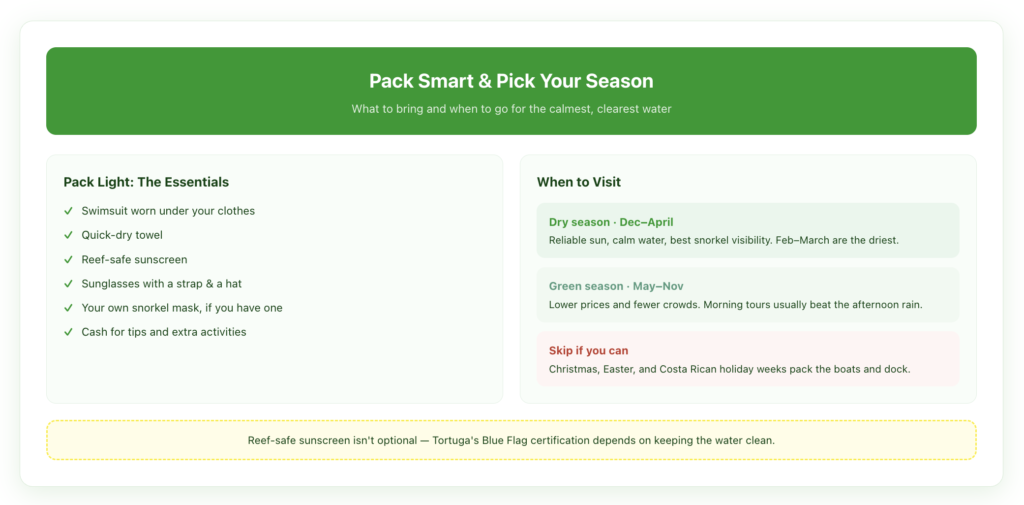
The island shines brightest during Costa Rica’s dry season from December through April. You’ll get reliable sunshine, calm waters, and the best visibility for snorkeling. February and March tend to be the driest months, though the surrounding hills of the Gulf of Nicoya will look golden-brown rather than the lush green of the rainy season.
Tours operate year-round, and taking a trip in the green season (May through November) has its advantages. Prices are lower, crowds are smaller, and the landscape bursts with tropical green. Morning tours typically avoid the afternoon showers that roll through the Pacific coast, so you’ll often get back to shore before any rain hits.
Should You Visit During a Holiday Week?
Christmas week, Easter week, and major Costa Rican holidays pack the boats. If you value space over savings, these weeks are worth avoiding. The island itself doesn’t feel overcrowded because it’s big enough for visitors to spread out, but the boat ride and dock experience can feel like cattle herding. Booking tours well in advance during peak periods is essential.
How Do You Choose the Right Tour Company?
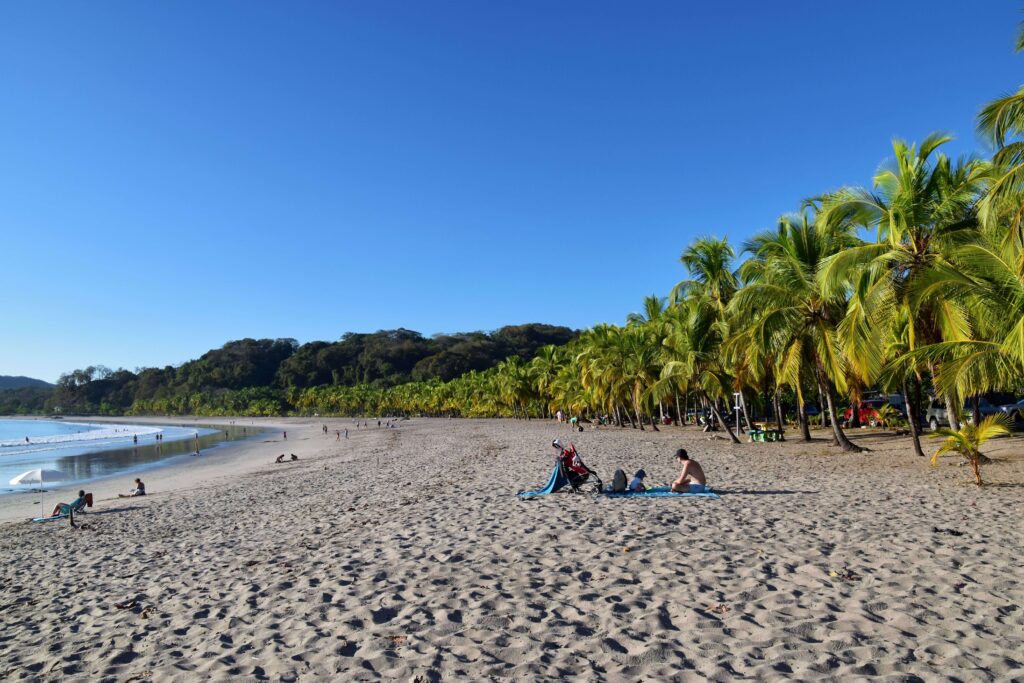
Several companies operate Tortuga Island cruises, and prices range from about $90 to $150 per person, depending on the activities and extras included. Bay Island Cruises and Calypso Cruises are the most established operators, and both depart from Puntarenas. The main differences between companies come down to boat type (yacht versus catamaran), group size, and extras like live music or open bar.
Bay Island Cruises operates catamarans with two decks, so you can move between an air-conditioned lower level and an open-air upper deck with a jacuzzi. They’re known for having live bands playing salsa and merengue during the cruise, which adds to the party atmosphere but might not appeal to everyone. Calypso Cruises has a slightly more relaxed vibe with smaller groups.
What Should You Look for in a Tour Package?
The basics should include round-trip boat transportation, all meals, snorkeling equipment, and use of beach facilities. Some tours include additional activities like banana boat rides in the base price, while others charge extra. Transportation from your hotel might or might not be included, and you should clarify this before booking, especially if you’re not bringing your own vehicle.
What Should You Pack for a Tortuga Island Day Trip?
Packing light makes the day easier. You’ll board a boat, possibly transfer to a smaller vessel to reach shore, and move between beach activities all day. A small daypack is more practical than a large beach bag for the trip.
The essentials: swimsuit worn under your clothes, quick-dry towel, reef-safe sunscreen (the island’s Bandera Azul certification depends on keeping the water clean), sunglasses with a strap, and a hat. If you plan to snorkel extensively, bring your own mask if you have one because tour-provided gear is functional but not always the best fit.
Cash comes in handy for tips and any extra activities you decide to try on the island. Prices are usually quoted in US dollars, though colones work too. Jet ski rentals, parasailing, and professional photography services are available for additional fees.
Is Tortuga Island Worth the Trip Compared to Other Day Tours?
If you want pristine beaches and calm water for swimming and snorkeling, Tortuga Island delivers more than most mainland beaches. The Gulf of Nicoya has protected waters without the powerful Pacific swells that make some Costa Rica beaches tricky for swimming.
Compared to staying at Manuel Antonio or Guanacaste beaches, the island offers something different, which is a dedicated beach day without the crowds, road noise, or restaurant hawkers found at developed beach towns. The boat ride adds adventure without requiring 4×4 capability or challenging road conditions.
For families with kids, the calm water and organized activities make Tortuga Island a solid choice for a day out. The Costa Rica experience with kids is improved when parents don’t have to worry about strong currents or unpredictable surf.
How Does Tortuga Compare to Caño Island?
If snorkeling is your main priority, Caño Island near the Osa Peninsula offers better underwater visibility and more marine life diversity. However, Caño Island tours focus almost exclusively on diving and snorkeling without time to lounge on a white sand beach. Tortuga Island wins for travelers who want beach time with snorkeling as a bonus activity rather than the main event.
Can You Combine Tortuga Island with Other Central Pacific Destinations?
Absolutely. The island makes a natural addition to itineraries that include Puntarenas, Jacó, or the southern Nicoya Peninsula. If you’re driving your own rental car, spending a night in Puntarenas before your tour eliminates the stress of early morning departures from San José.
The Puntarenas-Paquera ferry departs from the same general port area, so you could theoretically combine a Tortuga Island day trip with onward travel to Montezuma or Santa Teresa, although that makes for an extremely long day.
For a more relaxed approach, build the Tortuga Island trip into a one-week itinerary that includes Manuel Antonio or Arenal. The drive from Puntarenas to Manuel Antonio takes about two hours, so it’s easy to continue south after your island adventure.
What's the Real Story on Tortuga Island's Pirate History?
You’ll hear guides mention that Tortuga Island was a pirate hideout, and there’s some truth to this. The Gulf of Nicoya’s sheltered waters and numerous islands made it attractive to Spanish colonial vessels and, inevitably, to the pirates who targeted them. Whether any buried treasure remains on Tortuga Island is another matter entirely, but the stories add some romance to the cruise.
The island’s name comes from its turtle-like shape when viewed from above, as tortuga means turtle in Spanish. Sea turtles do nest on some Gulf of Nicoya beaches, although not typically on Tortuga Island’s main beach. For actual turtle encounters, the Nicoya Peninsula’s Pacific beaches during nesting season offer better odds of seeing these incredible creatures.
How Do You Get to Tortuga Island Without a Tour?
Technically, you can arrange private boat transportation from Puntarenas or the Nicoya Peninsula, but it’s rarely worth the hassle unless you’re travelling with a large group. The tour companies have established relationships with the island owners, which gives them access to the best beach sections and facilities. Going independently means negotiating your own access as well as bringing all your own food and equipment.
If you’re already staying in Montezuma, some local operators run shorter boat trips to Tortuga Island that don’t require traveling all the way to Puntarenas. These tend to be smaller-group experiences with less structure and are good if you prefer a DIY approach.
Why Does Having a Rental Car Make Tortuga Island Easier?
Most Tortuga Island tours include hotel pickup from San José, but this adds significant time to your day. The shuttle typically starts collecting passengers around 6:30 AM and might not drop you back until 8:00 PM. With your own rental car from Vamos, you can drive to Puntarenas the evening before, stay at a hotel near the dock, and walk to your boat departure fresh and relaxed.
A rental car also lets you explore the Central Pacific coast before or after your island trip. Puntarenas itself has a long boardwalk, fresh seafood restaurants, and Costa Rica’s only Pacific aquarium. The drive south toward Jacó passes Carara National Park, famous for scarlet macaw sightings and an easy detour if you’re not in a hurry.
Whether you’re planning a two-week adventure or just need a perfect beach day to break up your Costa Rica road trip, Tortuga Island delivers the kind of experience that makes you understand why this country attracts millions of visitors each year. Book your tour, pack light, and prepare for a memorable day out.
Frequently Asked Questions
What Is Tortuga Island Known For?
Tortuga Island is famous for its pristine white sand beach, crystal-clear turquoise water, and Blue Flag Ecological certification, which isCosta Rica’s highest environmental beach award. The island sits in the protected Gulf of Nicoya, which creates calm swimming conditions unlike the powerful Pacific surf on mainland beaches. Most visitors come for the combination of beach relaxation, snorkeling, and the scenic boat cruise through the gulf.
Can You Stay Overnight on Tortuga Island?
Tortuga Island doesn’t have overnight accommodations. The island operates as a day-trip destination only, with visitors arriving in the morning and departing in the late afternoon. If you want to extend your beach time in the area, nearby options include hotels in Puntarenas or accommodations on the southern Nicoya Peninsula in towns like Montezuma or Tambor. And if you’re hoping for an island stay, then consider nearby Venado Island, which has accommodation and restaurants.’
How Long Is the Boat Ride to Tortuga Island?
The boat ride from Puntarenas to Tortuga Island takes approximately 90 minutes each way. The cruise passes through the scenic Gulf of Nicoya, where you’ll see multiple islands, including the historic Isla San Lucas and the Curú Wildlife Refuge. Most tours serve breakfast and entertainment during the outbound journey and sunset views on the return.
What Are the Top Things to Do on Tortuga Island?
The main activities include swimming in the calm bay, snorkeling to see tropical fish, kayaking around the coastline, and simply relaxing on the white sand beach. Many tours include a guided snorkel session to rock formations where fish congregate. The island also has a short nature trail through a wildlife sanctuary where you might spot deer, peccaries, and birds.
Is Tortuga Island Worth Visiting?
For travelers who want a pristine beach day with calm water and organized activities, Tortuga Island is absolutely worth the trip. The island delivers cleaner water and more relaxed conditions than most mainland Pacific beaches. It’s particularly good for families with children, weaker swimmers, or anyone who wants a beach experience without the powerful surf and undertows common on Costa Rica’s open coastline.
What Animals Can You See at Tortuga Island?
Expect to see various tropical fish, including parrotfish, pufferfish, angelfish, and sergeant majors during snorkeling sessions. The island’s land-based wildlife sanctuary is home to white-tailed deer, peccaries, coatis, and numerous bird species. During the boat ride, dolphins occasionally appear in the Gulf of Nicoya, and you might spot seabirds, including pelicans and frigatebirds.
What’s the Best Month to Visit Tortuga Island?
February and March offer the most reliable dry weather and the calmest sea conditions. The entire dry season from December through April provides excellent visiting conditions. However, the island is worth visiting year-round. During green season (May through November), you’ll find lower prices and fewer crowds, with morning tours typically finishing before afternoon rain showers arrive.
How Much Does a Tortuga Island Tour Cost?
Tour prices typically range from $90 to $150 per person, depending on the operator and what’s included. Standard packages cover boat transportation, breakfast, lunch, snacks, beverages, snorkeling equipment, and beach facility access. Premium tours might also have an open bar, live entertainment, or additional water activities. Transportation from San José hotels usually costs extra or requires arranging separately.