
Last Updated on June 26, 2026
Chocolate Tours in La Fortuna: What's Covered
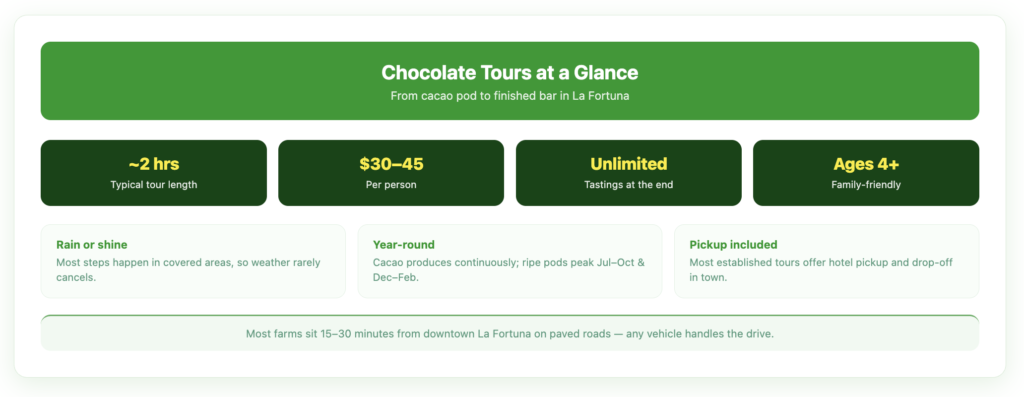
Chocolate tours in La Fortuna take you from cacao pod to finished bar in about two hours, with unlimited tastings at the end. Most run $30–45 per person, operate rain or shine, and welcome kids — one of the area’s most family-friendly activities.
Quick Facts
- Duration & cost: ~2 hours, $30–45 per person; combo tours (coffee, sugarcane) $50–65
- What you do: walk the cacao plantation, roast and grind beans, then make and taste your own chocolate.
- Family-friendly: kids 4+ welcome, usually 50% off under 12
- Getting there: farms 15–30 min from town on paved roads; hotel pickup usually included
- When: year-round; ripe pods peak in July–October and December–February
Top 3 Things You’ll Do
- Crack a fresh pod — taste the sweet white pulp around the bitter cacao beans
- Roast & grind — toast beans over a wood fire and grind nibs into paste on a stone metate
- Flavor your own — sweeten with honey, cane sugar, vanilla, cinnamon, or a cayenne kick
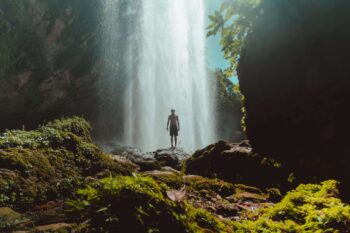
Build a full day around it with the La Fortuna Waterfall, the hot springs, or Arenal Volcano National Park.
If you need any help with a Costa Rica car rental, contact us now!
If you’ve ever wondered how those shiny chocolate bars at the grocery store start out as weird-looking pods hanging from a tree, a chocolate tour in La Fortuna is about to blow your mind. These hands-on experiences take you from cacao bean to finished chocolate in about two hours, and you get to eat as much as you want at the end.
Chocolate tours in La Fortuna typically cost $30-45 per person and run multiple times daily, which makes them one of the most accessible and family-friendly activities in La Fortuna. You’ll learn about cacao’s sacred history in indigenous cultures, see the trees up close, and make chocolate yourself using traditional methods. The best part? The bitter cacao paste transforms into something completely different once you start experimenting with flavors.
Key Takeaways
- Chocolate tours in La Fortuna run about 2 hours and cost $30-45 per person, including unlimited tastings.
- Cacao has deep cultural significance in Costa Rica, as indigenous communities used the beans as currency for centuries.
- You’ll see the entire process from tree to bar, including toasting, grinding, and molding your own chocolate.
- Tours operate rain or shine, as most activities happen in covered areas.
- Combine your chocolate experience with hot springs visits or volcano hikes for a perfect day.
- Having your own vehicle allows you to visit multiple farms and compare experiences.
What's the History Behind Costa Rica's Chocolate?
Long before chocolate became the sweet treat we know today, cacao held almost mythical status among Central American indigenous communities. The Mesoamerican civilizations, including groups that traded throughout present-day Costa Rica, considered cacao beans valuable enough to use as money. Some people were literally paying for goods with chocolate.
The word “cacao” itself comes from the Nahuatl word “cacahuatl,” and the chocolate drink was reserved for royalty and religious ceremonies. The Spanish realized the potential of cocoa as a commodity and commercialized its trade from the 16th century.
Today’s chocolate tours connect you directly to this history. Many farms in the Arenal region maintain traditional growing and processing methods that indigenous communities developed centuries ago. When you taste chocolate made this way, you’re experiencing something remarkably close to what ancient peoples enjoyed, just not in the gold cups.
Why Does Cacao Grow So Well in La Fortuna?
Cacao trees are picky. They need consistent temperatures between 68-89°F (20-32°C), high humidity, protection from wind, and rich volcanic soil. La Fortuna delivers all of this thanks to the town’s position near Arenal Volcano, which has been enriching the local soil for thousands of years.
The area’s consistent rainfall, which is roughly 100-150 inches annually, keeps cacao trees happy without drowning them. The volcanic slopes also provide natural drainage, which prevents the root rot that kills cacao in waterlogged areas. This combination of factors makes the Northern Highlands one of Costa Rica’s prime cacao-growing regions.
What Happens During a Chocolate Tour?
How Does the Experience Begin?
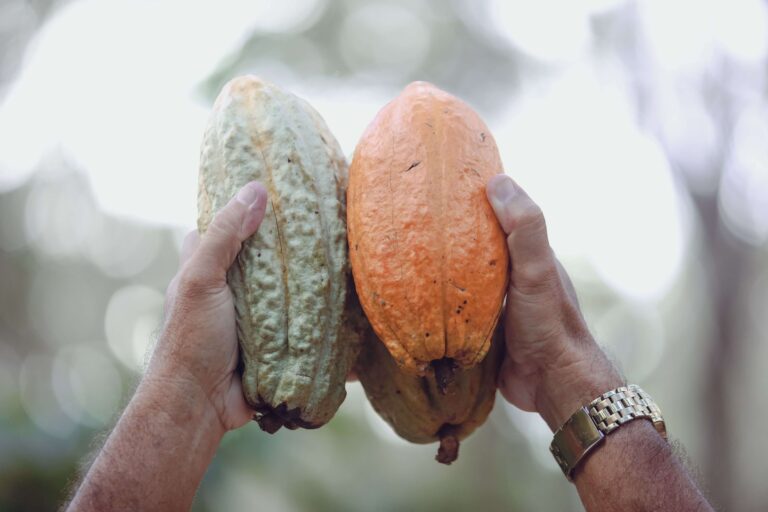
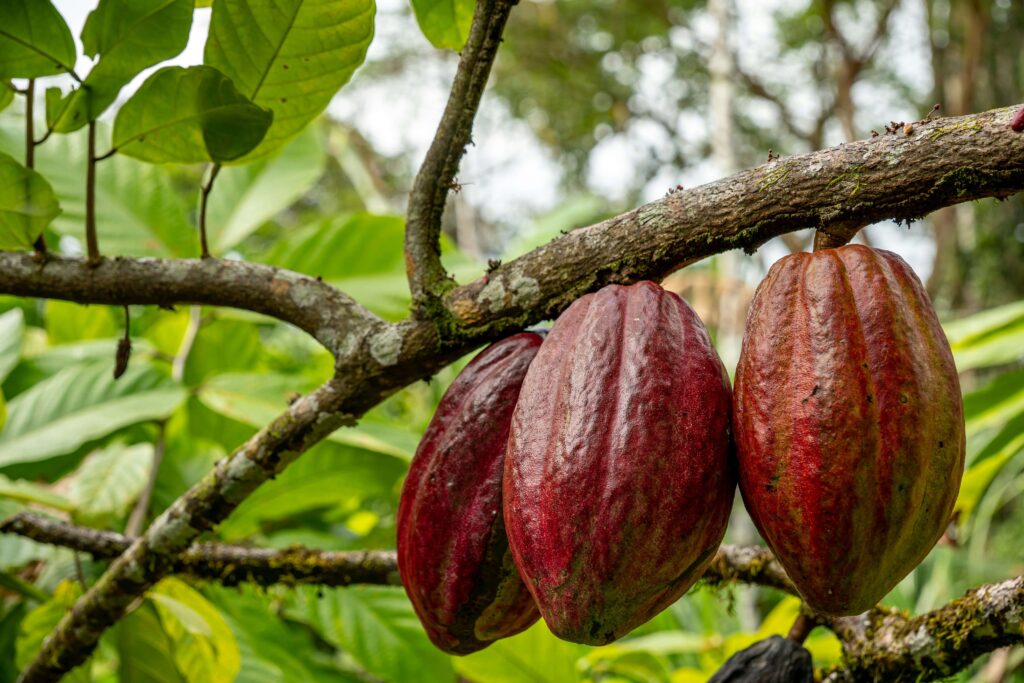
Most La Fortuna chocolate tours start with a short walk through the cacao plantation. Your guide will point out trees in various stages of growth, from young saplings to mature producers loaded with football-shaped pods in colors ranging from green to yellow to deep purple.
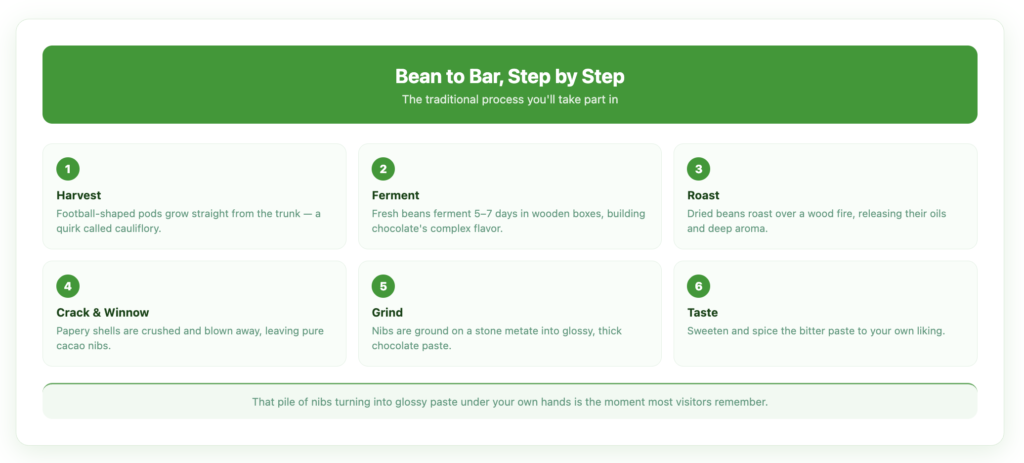
Here’s something that surprises most visitors: cacao pods don’t grow from branches like apples. They sprout directly from the trunk and larger branches in a process called cauliflory. It looks bizarre, but it’s completely natural and very eye-catching.
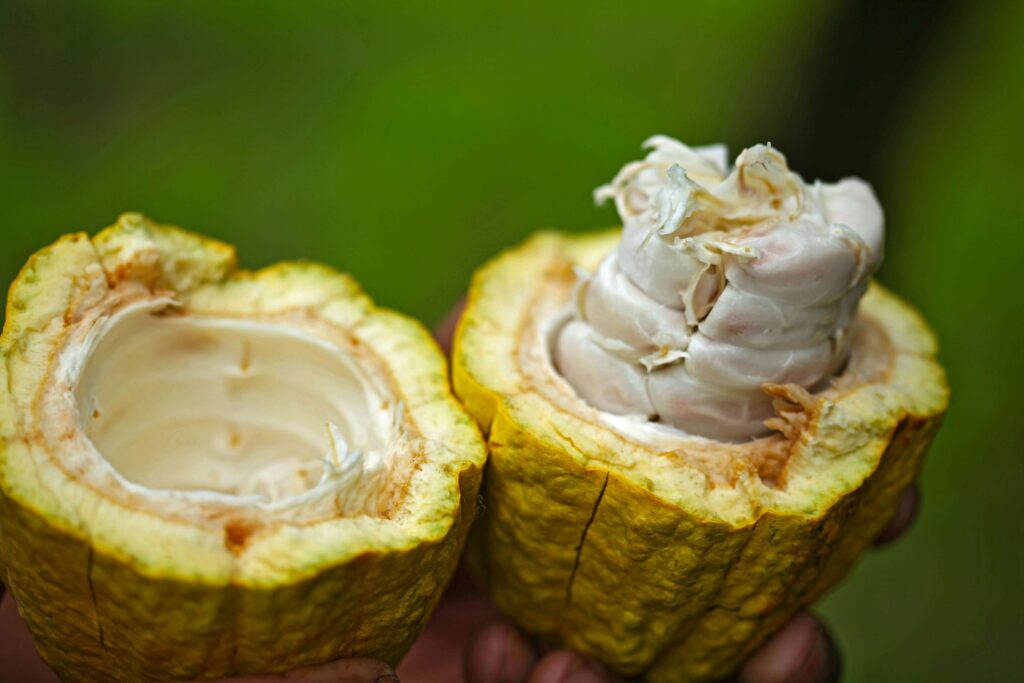
Your guide will crack open a ripe pod to reveal the cacao beans nestled inside a white, slimy pulp. Before you turn up your nose, try the pulp which tastes nothing like c lychee or mangosteen with citrus notes. The beans themselves are intensely bitter at this stage.
What’s the Bean-to-Bar Process Like?
After the plantation walk, you’ll head to a covered processing area where the real fun begins. The traditional chocolate-making process involves several distinct steps:
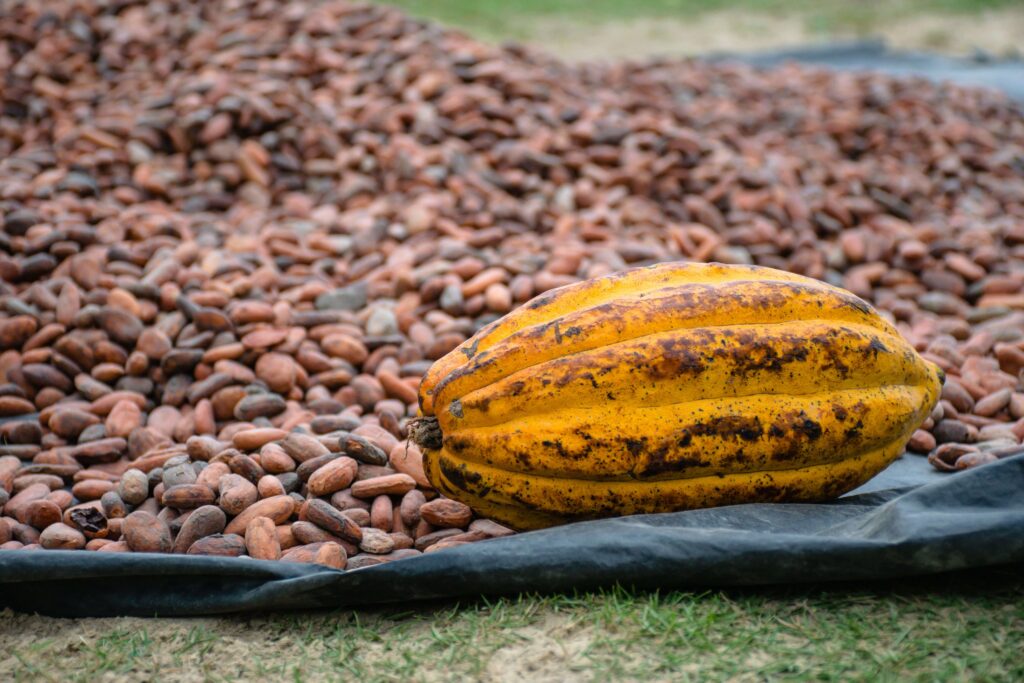
Fermentation and Drying: Fresh beans ferment for 5-7 days in wooden boxes, which develops the complex flavors associated with chocolate. Your guide will show you beans at different fermentation stages and explain how this crucial step affects the final taste.
Roasting: You’ll participate in roasting dried beans over a wood fire, and you’ll quickly realize that the aroma alone is worth the tour price. Roasting releases the beans’ natural oils and deepens their flavor profile.
Cracking and Winnowing: Once cooled, the roasted beans need their papery shells removed. Traditional methods involve gently crushing and blowing away the shells to leave behind the cacao nibs, which are pure chocolate in its most concentrated form.
Grinding: Here’s where you earn your chocolate. Using a traditional stone metate or large mortar and pestle, you’ll grind the nibs into a thick paste. This takes effort, but watching that pile of nibs transform into glossy chocolate paste is incredibly rewarding.
What Will You Taste During the Tour?
The tasting portion often becomes everyone’s favorite part. Unlike commercial chocolate, which contains added sugars, milk, and preservatives, the chocolate you make is pure cacao with additions of your choice.
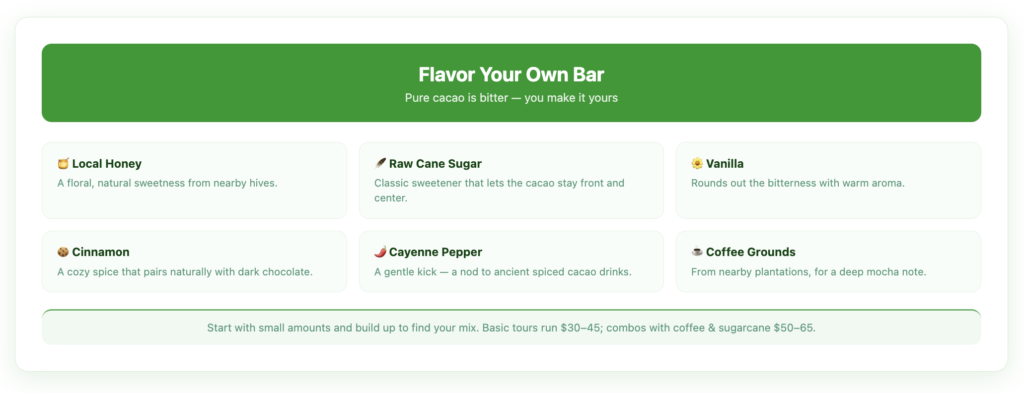
Your guide will set up a tasting station with various options: raw cacao nibs, unsweetened chocolate paste, and finished chocolate with different flavor additions. Common pairings include local honey, raw cane sugar, vanilla, cayenne pepper, cinnamon, and coffee grounds from nearby plantations.
Why Isn’t Raw Chocolate Sweet?
Chocolate in its natural state tastes incredibly bitter, which surprises many visitors. All the sweetness in commercial chocolate comes from added sugar, and your store-bought bar sometimes contains more sugar than actual cacao. Pure dark chocolate contains mostly cacao, which explains its intense and sometimes astringent flavor.
During tastings, you’ll experiment with adding sweeteners and spices to your chocolate paste. Start with small amounts and build up to quickly discover your personal preference. Some people prefer barely sweetened dark chocolate that lets the cacao’s natural notes shine, whereas others load up on sugar and spices. There’s no wrong answer.
The health-conscious will appreciate learning that raw cacao contains significant amounts of antioxidants, magnesium, and mood-enhancing compounds like theobromine. Dark chocolate with 70% or higher cacao content retains most of these benefits while still tasting reasonably sweet.
How Much Does a Chocolate Tour Cost?
What’s Included in the Tour Price?
Most La Fortuna chocolate tours cost between $ 30 and $ 45 per person and include transportation from town hotels, bilingual guides, all demonstrations, and unlimited tastings. Some tours add extras like coffee or sugar cane demonstrations, which bump the price to $50-65.
Children typically receive discounts (usually 50% off for kids under 12), and many tours accept children as young as 4 years old. The hands-on grinding and tasting activities work well for young kids, although they might lose interest during longer history presentations.
Which Tours Offer the Best Value?
Several operations run chocolate tours in the La Fortuna area, each with slightly different focuses:
Don Olivo Chocolate Tour operates an organic farm with accessible trails suitable for wheelchairs and strollers. Their emphasis on sustainability and organic growing practices appeals to eco-conscious travelers.
The Rainforest Chocolate Tour combines chocolate with broader cultural education about Costa Rican farming traditions. Their guides give quite theatrical presentations that work especially well for families.
Combo Tours pair chocolate with coffee and sugar cane experiences for a comprehensive look at Costa Rican agricultural traditions. These longer tours of 3-4 hours provide excellent value if you want to maximize your learning.
Having your own rental vehicle lets you visit multiple farms at your own pace, comparing processes and flavors. Some smaller operations don’t offer hotel pickup, so driving yourself opens more chocolate tour options.
When Should You Book a Chocolate Tour?
What Time of Day Works Best?
Morning tours (8-10 AM) offer cooler temperatures for the plantation walk and better lighting for photos. The cacao trees look particularly beautiful with morning dew, and you’ll avoid the afternoon rains that can make the plantation tour uncomfortable.
However, watching rain fall on cacao trees while you sip hot chocolate has its own appeal, and afternoon tours can be enjoyable too.
Does Season Affect the Experience?
Chocolate tours run year-round in La Fortuna since cacao trees produce continuously in the tropical climate, but you might see more ripe pods during certain months. Typically, July-October and December-February see the trees loaded with ripened pods, and correspond to the main harvesting periods.
The green season (May-November) brings lusher vegetation and fewer tourists, which means smaller tour groups and more personal attention. Dry season visitors benefit from more predictable weather, but you may find that the tour groups are larger.
How Do You Get to a Chocolate Tour?
Can You Drive There Yourself?
Absolutely, and it’s often the most flexible option. Most chocolate farms sit 15-30 minutes from downtown La Fortuna and are accessible with any vehicle type via paved roads. Renting a car gives you the freedom to explore other attractions before or after your tour.
Popular routes combine chocolate tours with visits to La Fortuna Waterfall, Venado Caves, or the free hot springs along the Tabacón River. With your own wheels, you control the schedule and set the pace.
What If You Don’t Have a Car?
Most established chocolate tours include hotel pickup and drop-off in La Fortuna town. The tour transportation works well if you’re staying centrally and don’t plan additional stops. Just confirm pickup arrangements when booking, especially if you’re staying outside the main tourist area.
Shuttle services connect La Fortuna to other destinations like Monteverde and Manuel Antonio, but these aren’t practical for reaching chocolate farms. Taxis operate in the area but charge premium rates for rural destinations.
What Should You Know Before Going?
What Should You Wear?
Comfortable closed-toe shoes work best because you’ll be walking on potentially muddy paths and uneven ground. Sandals are open to insect bites and don’t protect your toes against the occasional root or rock.
Light, breathable clothing makes sense given La Fortuna’s tropical humidity. A light rain jacket or poncho proves useful during the green season, although most tour activities happen under cover.
Any Dietary Considerations?
Traditional chocolate-making doesn’t involve common allergens beyond tree nuts (some tastings include almonds or peanuts as toppings). However, tell your guide about any allergies before the tasting portion, and they can easily set aside pure chocolate for you.
Vegans appreciate that authentic dark chocolate contains no dairy products. The optional additions to most tours include vegan-friendly sweeteners like honey alternatives and various spices. Just ask your guide to point out animal-free options.
What Else Can You Do in the Area?
La Fortuna positions itself perfectly as a base for exploring Costa Rica’s Northern Highlands. After your chocolate tour, consider these combinations:
Hot Springs Evening: Nothing beats soaking in volcanic hot springs after a day of exploring. Options range from free riverside soaks to luxury resorts with volcano views.
Volcano Hiking: The Arenal Volcano National Park trails take you through old lava fields with dramatic scenery. Combine a morning hike with an afternoon chocolate tour for a full day of La Fortuna fun.
Wildlife Encounters: Hanging bridges tours invite you to walk through the rainforest canopy, spotting sloths, monkeys, and tropical birds. Several operations run near the chocolate farms.
Lake Arenal Activities: Kayaking, stand-up paddleboarding, and fishing on Costa Rica’s largest lake make excellent half-day additions to any itinerary.
Day Trip to Caño Negro: This wildlife refuge is 90 minutes north of La Fortuna and offers boat safaris with guaranteed wildlife sightings of caimans, monkeys, and hundreds of bird species.
Frequently Asked Questions
How much is the rainforest chocolate tour?
Most chocolate tours in La Fortuna range from $ 30 to $ 45 per person for the basic experience. Combo tours that include coffee and sugar cane demonstrations typically cost $50-65. Children under 12 usually receive 50% discounts, and some tours accept kids as young as 4 years old.
What do visitors get to do on the rainforest chocolate tour in Costa Rica?
You’ll walk through a cacao plantation to see trees and pods up close, learn about chocolate’s indigenous history, participate in traditional processing (roasting beans, grinding with a mortar and pestle), and enjoy unlimited tastings with various flavor combinations. Most tours last about 2 hours.
Does La Fortuna have a rainforest?
Yes, La Fortuna sits within Costa Rica’s tropical rainforest zone. The area around Arenal Volcano contains primary and secondary rainforest with incredible biodiversity. Many chocolate farms are integrated into this rainforest environment, where cacao grows naturally under the canopy of larger trees.
Why is cocoa important to Costa Rican culture?
Cocoa is important to Costa Rican culture because it has deep historical roots, supports rural communities, and remains a symbol of the country’s agricultural heritage. Long before Europeans arrived, Indigenous peoples in the region cultivated cacao and used its beans for trade, ceremonies, and beverages. The crop connected Costa Rica to wider Mesoamerican trade networks, where cacao was highly valued and sometimes even used as currency.
Is cocoa good for you?
Cocoa is considered a healthy food because it is rich in antioxidants, minerals, and beneficial plant compounds, which may support heart, brain, and overall health.
How much does it cost to visit La Fortuna?
La Fortuna offers activities at various price points. Chocolate tours run $30-45, the waterfall costs $18, Arenal National Park charges $15, and hot springs range from free (natural riverside spots) to $100+ for luxury resorts. Budget travelers can spend under $50 daily on activities, while those seeking premium experiences might spend $150-200.