
Last Updated on February 26, 2026
Peñas Blancas Safari Float: What's Covered
The Peñas Blancas Safari Float is one of the best ways to see Costa Rica’s wildlife without hiking for hours through humid rainforest. This gentle river float takes you through the Tilarán Mountain Range, just 30 minutes from La Fortuna, where monkeys, sloths, caimans, and dozens of bird species live right along the riverbanks. The quiet raft approach lets you get remarkably close to animals that would scatter at the sound of a motorboat engine. Unlike whitewater rafting adventures that focus on adrenaline, this tour prioritizes wildlife observation. You’ll spend about two hours floating downstream while a bilingual naturalist guide paddles and points out creatures hiding in plain sight. Perfect for families with young kids, travelers who prefer relaxed activities, and anyone who wants guaranteed wildlife encounters without the physical demands of jungle hiking. Half-day tour (approximately 4 hours total, including transportation), 2 hours river floating, 30 minutes from La Fortuna, easy difficulty with no guest paddling required, minimum age 4-5 years. Common sightings include howler monkeys, white-faced capuchins, sloths, caimans, Jesus Christ lizards, herons, and kingfishers.
Quick Facts
- Location: Peñas Blancas River through Tilarán Mountain Range—30 minutes from La Fortuna hotels.
- Duration: Half-day tour (4 hours total with transportation), 2 hours of floating time.
- Difficulty: Easy—no paddling required for guests, guide controls raft; minimum age 4-5 years.
- Price: $50-80 per adult, reduced for children under 12; includes hotel pickup, equipment, bilingual guide, post-float farm snacks.
- Wildlife: Howler monkeys, white-faced capuchins, two-toed/three-toed sloths, caimans, American crocodiles, Jesus Christ lizards, green iguanas, herons, kingfishers, toucans.
- Best Time: Morning tours (7:30 AM pickup) for most active wildlife; dry season (December-April) for predictable weather, green season (May-November) for lush forest.
- Pairs Well With: La Fortuna Waterfall, afternoon swim, evening hot springs, hanging bridges.
Top 5 Safari Float Tips
- Book Morning Tours for Peak Wildlife Activity – Animals are most active in cooler early hours (7:30 AM hotel pickup) before midday heat sends them into shade; morning tours typically outperform afternoon departures regardless of season—return by 11 AM, leaving time for La Fortuna Waterfall or hot springs.
- Bring Camera Gear and Binoculars for Close Encounters – Stable raft platform creates exceptional photography opportunities; waterproof camera/phone cases protect against splashes, zoom lenses capture distant animals, though you’ll get remarkably close—guides carry spotting scopes but personal binoculars let you scan canopy independently.
- Understand Silent Raft Advantage Over Motor Boats – Inflatable rafts glide silently downstream versus engine noise that alerts animals; guides report getting within 6 feet of herons, watching capuchin troops feed directly overhead, spotting sloths that remain hidden from noisier tours—cooperation between rafts means multiple trained eyes sharing sighting locations.
- Perfect for Families and Mobility-Limited Travelers – Kids under 10 participate fully without hiking ability concerns, a 2-hour float keeps attention engaged, guaranteed animal sightings create memorable moments; older travelers enjoy full participation without accessibility barriers—once seated, physical demands disappear.
- Combine with Arenal Activities for a Complete Day – Half-day format pairs perfectly: morning float + afternoon La Fortuna Waterfall (500-step descent to 70-meter cascade) + evening Tabacón hot springs; combo packages with rafting/ziplines save 20-30% versus booking separately.
The Peñas Blancas Safari Float offers genuine wildlife experiences perfect for travelers exploring the Arenal region without strenuous hiking. The tour anchors relaxed half-day explorations, making it valuable for families, photographers, and seniors. Many travelers combine morning floats with afternoon La Fortuna Waterfall visits, Mistico Hanging Bridges, or evening hot springs soaking. For building comprehensive itineraries, check our one-week and two-week plans. The river flows through a biodiverse corridor connecting lowland rainforests to the Arenal Volcano region slopes—trees on both banks create a green tunnel where animals cross between territories, concentrating wildlife activity along a narrow strip versus wandering trails. Guides coordinate via radio, sharing sloth locations, monkey troop movements, and caiman sunbathing spots. Post-float stop at riverside farm provides homemade snacks (fresh fruit juice, fried plantains, yuca bread, traditional chorreador coffee) using property-grown ingredients. Tours include round-trip transportation from La Fortuna accommodations, though a rental car allows meeting at the put-in point, saving pickup time. Paved roads require no 4×4. Light rain doesn’t cancel tours—guides carry waterproof cases, operators provide rain ponchos; heavy thunderstorms may delay departure, but are rare during morning hours. The green season transforms the landscape with higher water levels, faster floating, increased animal activity responding to abundant moisture—mornings typically stay dry even during rainy months (precipitation falls 2-6 PM).
If you need any help with a Costa Rica car rental, contact us now!
The Peñas Blancas Safari Float is one of the best ways to see Costa Rica’s wildlife without hiking for hours through humid rainforest. This gentle river float takes you through the Tilarán Mountain Range just 30 minutes from La Fortuna, where monkeys, sloths, caimans, and dozens of bird species live along the riverbanks. The quiet raft approach allows you to get remarkably close to animals that would scatter at the sound of a motorboat engine.
Unlike whitewater rafting adventures that focus on adrenaline, this tour prioritizes wildlife observation. You’ll spend about two hours floating downstream while a bilingual naturalist guide paddles and points out creatures hiding in plain sight. It’s perfect for families with young kids, travelers who prefer relaxed activities, and anyone who wants guaranteed wildlife encounters without the physical demands of jungle hiking.
Key Takeaways
- Tour Duration: Half-day tour (approximately 4 hours total, including transportation)
- River Time: About 2 hours of floating
- Distance from La Fortuna: 30 minutes by road
- Difficulty Level: Easy, as no paddling is required for guests
- Minimum Age: 4-5 years old (varies by operator)
- Best For: Families, photographers, wildlife enthusiasts, and seniors
- Common Sightings: Howler monkeys, white-faced capuchins, sloths, caimans, Jesus Christ lizards, herons, kingfishers, bats, iguanas
What Makes the Peñas Blancas River Special for Wildlife?
The Peñas Blancas River flows through one of Costa Rica’s most biodiverse corridors, connecting the lowland rainforests to the slopes of the Arenal Volcano region. Unlike boat tours that use motors, this safari float uses inflatable rafts that glide silently downstream, and that silence makes all the difference to the experience.
Animals along riverbanks have learned to associate engine noise with danger, but when you approach on a quiet raft with only the soft splash of a paddle, wildlife stays put. Guides report getting within six feet (2 meters) of herons, watching entire troops of white-faced capuchin monkeys feed in trees directly overhead, and spotting sloths that would remain hidden from noisier tours.
The river itself creates a natural corridor through the forest canopy. Trees on both banks lean over the water to create a green tunnel where animals cross between territories. This concentration of wildlife activity along a narrow strip makes spotting much easier than wandering through trails where animals could be anywhere in thousands of acres of forest.
What Animals Will You See on the Float?
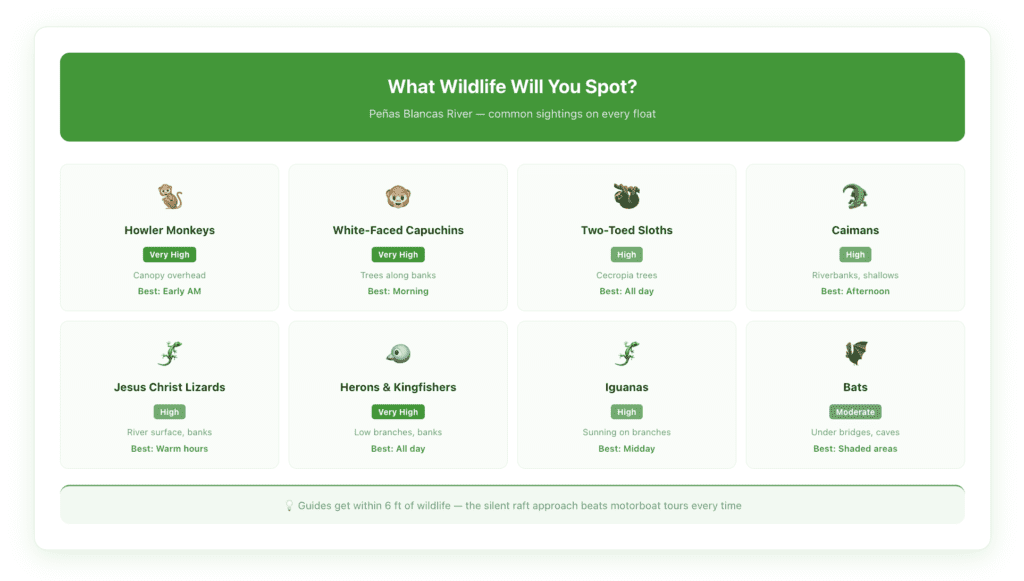
The Peñas Blancas River consistently delivers wildlife sightings that rival Costa Rica’s famous national parks. Your guide will scan the trees, riverbanks, and water surface throughout the float, often spotting creatures that untrained eyes would miss completely.
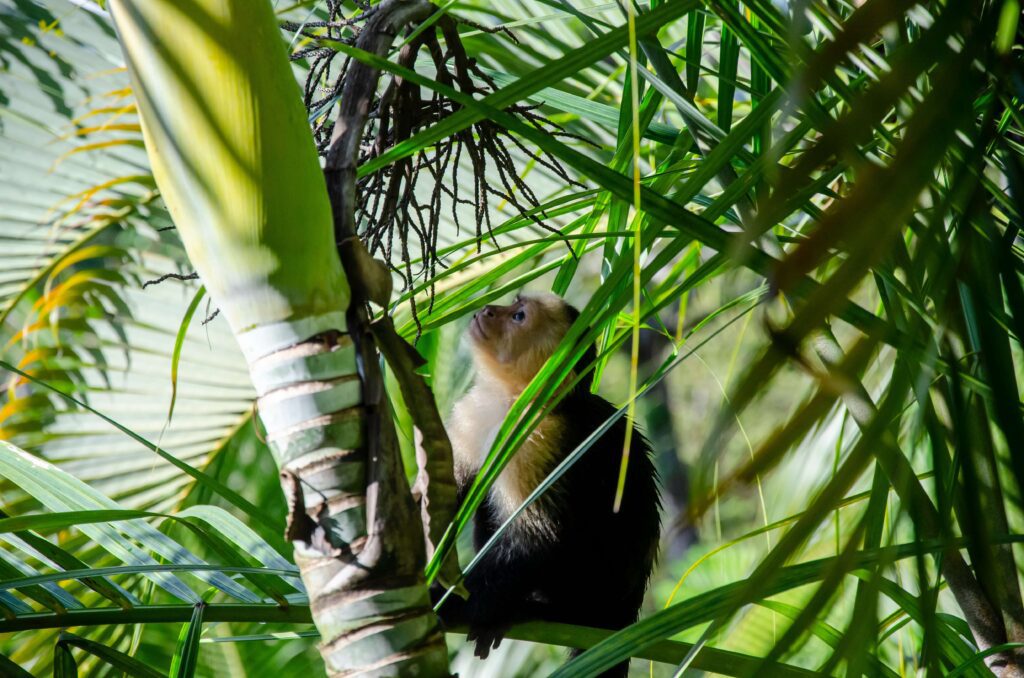
Primates show up regularly. Howler monkeys announce themselves with deep roars that echo across the water, and you’ll hear them before you see them. White-faced capuchins travel in curious troops and sometimes approach rafts to investigate. Both species breed year-round in this region, so you might spot mothers carrying babies on their backs.
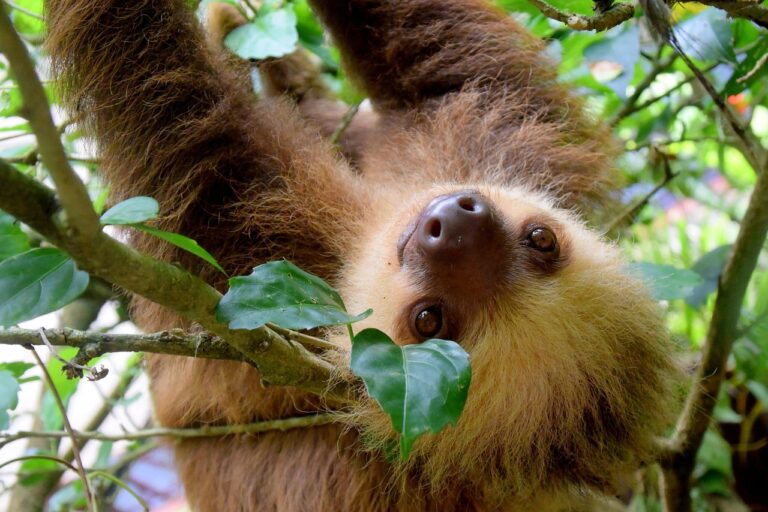
Sloths hang motionless in cecropia trees. These slow-moving mammals prefer trees along waterways where they can access leaves and occasionally descend to ground level. Two-toed and three-toed sloths both inhabit the area. Guides carry spotting scopes to help you see them clearly, even when they’re curled into fuzzy balls high in the canopy.
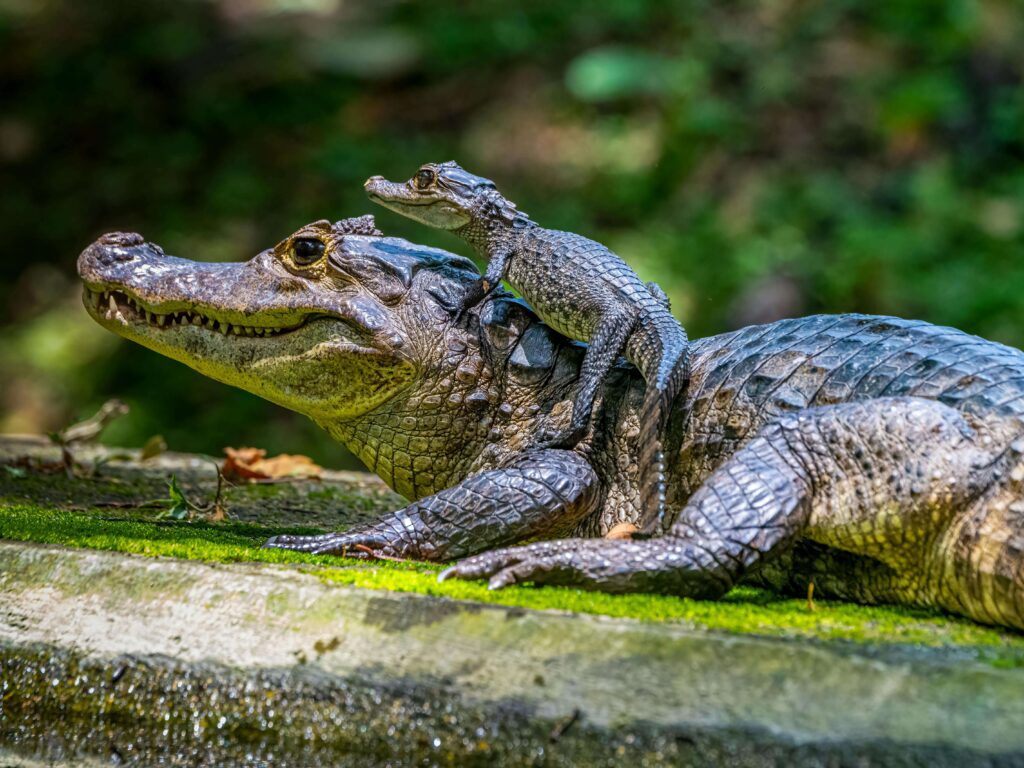
Reptiles bask along the banks. Caimans, which are the smaller cousins of crocodiles, sun themselves on exposed logs and muddy edges. Floaters will also see Jesus Christ lizards, which are named for their ability to run across water and like to perch on low branches. Green iguanas sprawl on rocks, soaking up morning warmth, and the occasional American crocodile also appears in the lower sections of the river.
Birds fill the soundtrack. Bare-throated tiger herons wade in shallows, Amazon kingfishers dive for fish, and mangrove swallows skim the water surface, whereas toucans and oropendolas nest in riverside trees. Serious birders have logged dozens of species on single floats.
How Does the Safari Float Tour Work?
Most operators follow a similar format that maximizes your time on the water while handling all logistics. Here’s what a typical morning float looks like when you explore the La Fortuna area.
What Happens Before You Hit the Water?
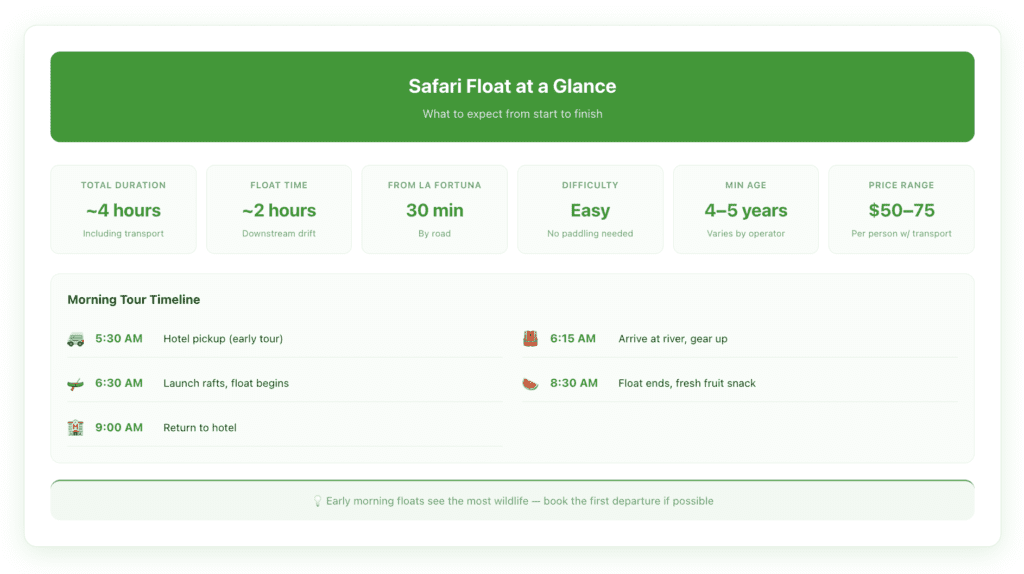
Your day starts with hotel pickup around 7:30 AM for morning tours or noon for afternoon departures. The 25-30 minute drive from downtown La Fortuna takes you through local farmland where guides often point out crops like yuca, plantains, and pineapple growing alongside the road.
At the put-in point, you’ll meet your guide and receive a brief safety orientation. Despite the calm water, everyone wears life jackets, which is standard practice for all water activities in Costa Rica. The guides provide basic instruction on how to position yourself in the raft for optimal viewing and photography.
The inflatable rafts typically hold 6-10 passengers plus the guide, who sits at the back with a paddle. You won’t need to paddle unless you want to help steer. Your job is simply to watch, listen, and enjoy the float downstream.
What’s the Float Experience Like?
Once you push off from shore, the forest closes in around you. The only sounds are birds calling, water moving, and occasionally the distinctive howl of monkeys echoing through the trees. Guides paddle gently to control speed and position the raft for the best viewing angles when wildlife appears.
The river moves at a relaxed pace through Costa Rica’s lush tropical environment, and the water glows green from reflections of the overhanging canopy. You’ll pass through sections where trees form complete tunnels overhead, then through open areas where you can see the distant slopes of Arenal Volcano on clear mornings.
Guides communicate with other rafts to share sighting locations. If the boat ahead spots a sloth, they’ll radio back so your guide can slow down and point it out. This cooperative approach means you benefit from multiple sets of trained eyes scanning the forest.
What Happens After the Float?
After roughly two hours on the water, the rafts pull up at a riverside farm owned by a local family. This stop provides a genuine glimpse into rural Costa Rican life while you recover from your wildlife adventure.
The farm family prepares homemade snacks using ingredients grown on their property, and visitors can expect fresh fruit juice like starfruit or cas, fried plantains, yuca bread, and coffee brewed the traditional Costa Rican way using a cloth filter called a chorreador. Everything is included in your tour price.
Most tours return guests to La Fortuna hotels by 11 AM for morning departures or 3:30 PM for afternoon tours. This half-day format leaves plenty of time to combine the float with other Arenal area activities like hot springs, hanging bridges, or waterfall visits.
When Is the Best Time for a Safari Float?
The Peñas Blancas float operates year-round, but conditions vary with Costa Rica’s distinct seasons. Understanding these patterns helps you time the excursion to match your priorities.
Does Season Affect Wildlife Viewing?
Both the dry season (December through April) and green season (May through November) offer excellent wildlife watching, with some differences worth noting.
Dry season brings predictable weather. Clear mornings mean better photography conditions and comfortable floating without rain gear. However, lower water levels sometimes concentrate animals around remaining water sources, which makes them easier to spot. The river runs clearer, which allows you to see fish and underwater features.
The green season transforms the landscape. After afternoon rains, the forest explodes with life. Higher water levels mean that the rafts float slightly faster, and there’s different scenery as the river rises because animal activity often increases as the ecosystem responds to abundant moisture. Mornings typically stay dry even during rainy months because most precipitation falls between 2 PM and 6 PM.
For optimal wildlife activity, morning tours generally outperform afternoon departures regardless of season. Animals are most active in cooler early hours before midday heat sends them into shady hiding spots.
How Do Weather Conditions Impact the Tour?
Light rain doesn’t cancel safari floats as you’re already on the water, after all. Guides carry waterproof cases for electronics, and most operators provide rain ponchos. Heavy thunderstorms may delay departure until conditions improve, but these situations are rare during morning tour times.
River levels fluctuate with recent rainfall. After major storms, the water runs faster and muddier, which can affect visibility but doesn’t typically cancel tours. Guides adjust their routes and pacing based on current conditions. If you’re visiting during the wettest months (September-October), ask your operator about recent river conditions when booking.
What Should You Bring on the Safari Float?
Packing right makes the difference between a comfortable wildlife experience and a frustrating one. Here’s what experienced floaters recommend for this La Fortuna adventure:
Camera gear matters more here than on most tours. The close wildlife encounters and stable raft platform create exceptional photography opportunities. Waterproof cameras or phone cases protect against splashes. Zoom lenses capture animals at a distance, and even phone cameras with digital zoom work reasonably well, given how close you’ll get to some creatures.
Binoculars enhance the experience significantly. While guides carry spotting scopes for detailed views, personal binoculars let you scan the canopy independently and watch birds for longer without waiting for group turns. Compact, waterproof models work best on the raft.
Practical clothing keeps you comfortable. Lightweight, quick-dry fabrics beat cotton, which stays soggy if you get splashed. Long pants protect against the sun and bugs better than shorts. A hat with a chin strap won’t blow off when you’re focused on wildlife overhead. Sandals with heel straps are fine, as closed-toe shoes aren’t mandatory for this calm water float.
Sun and bug protection are essential. Even on cloudy days, reflection off the water intensifies UV exposure. Apply waterproof sunscreen before boarding. Insect repellent keeps mosquitoes at bay during slower sections where you drift close to vegetation.
How Does This Compare to Other Costa Rica Wildlife Tours?
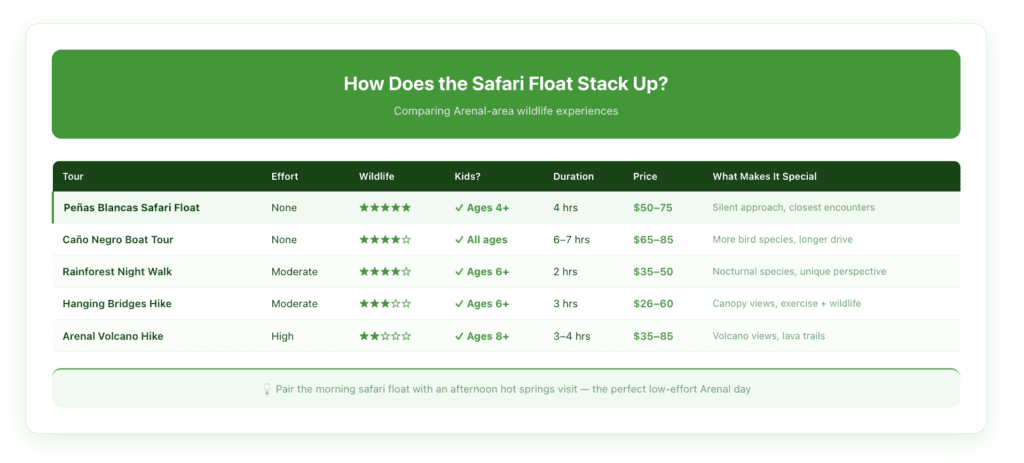
The Peñas Blancas Safari Float fills a specific niche among La Fortuna’s many wildlife experiences. Understanding the alternatives helps you decide if this tour matches your preferences or if another option might suit you better.
Is the Safari Float Better Than Visiting Caño Negro?
Caño Negro Wildlife Refuge offers a full-day alternative with different characteristics. Located about 90 minutes from La Fortuna near the Nicaraguan border, Caño Negro is an internationally recognized Ramsar wetland famous for its bird populations and caiman concentrations.
The key differences come down to time and tour style. Caño Negro requires a longer drive and uses motorized boats rather than rafts, which covers more territory but with louder transportation. The wetland ecosystem differs from Peñas Blancas’ forest corridor becauseyou’ll see more waterfowl and wading birds at Caño Negro, while the safari float excels for monkeys and forest species.
For travelers with limited time or those who prefer quiet, intimate experiences, the Peñas Blancas float works better. If you’re a serious birder willing to spend a full day, Caño Negro’s 300+ species justify the additional cost. Some wildlife enthusiasts do both during a multi-day La Fortuna stay.
How Does It Compare to Rainforest Hiking?
Walking through places like Arenal Volcano National Park or Mistico Hanging Bridges offers different advantages and challenges compared to floating.
On foot, you control your pace completely and can stop indefinitely when wildlife appears. However, your footsteps and voices alert animals, which often retreat before you spot them. The effort required for jungle hiking with humidity, hills, and uneven terrain can limit appeal for some travelers, especially families with young children or visitors with mobility concerns.
The safari float removes physical barriers entirely because you sit comfortably while nature comes to you. The silent approach means animals often continue normal behaviors instead of fleeing, and photography is easier from a stable platform than while standing on muddy trails. For guaranteed, stress-free wildlife encounters, the float consistently delivers.
Many travelers combine both approaches during their Costa Rica itinerary. Morning float for easy wildlife viewing, and then take an afternoon hike for exercise and to view different species. This combination covers diverse ecosystems without exhausting anyone.
What Other Activities Pair Well With the Safari Float?
The half-day format leaves plenty of time to explore other La Fortuna attractions. Smart scheduling maximizes your wildlife and adventure experiences without rushing.
What’s the Best Post-Float Activity?
After a morning on the water, many visitors head directly to the hot springs for a perfect end to the day. The contrast between cool river water in the morning and warm thermal pools in the afternoon creates a satisfying rhythm. Natural hot springs along the Tabacón River offer free options, while resort facilities like Tabacon and Baldi provide upmarket pools and amenities for those willing to pay.
The La Fortuna Waterfall makes another excellent afternoon activity. The 500-step descent to the base rewards with a powerful 230-foot (70-meter) cascade and swimming hole, although the climb back up provides exercise that definitely wasn’t available on the raft. Allow 2-3 hours for this excursion.
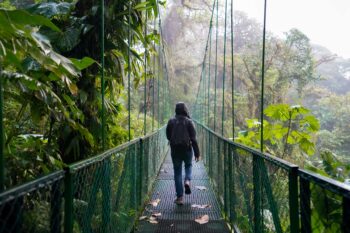
For continued wildlife viewing without more water time, the hanging bridges at Mistico provide canopy-level perspectives on forest species. Walking suspended pathways through the treetops reveals birds and creatures that live higher than river-level viewing allows.
Can You Combine the Float With Adventure Activities?
Absolutely. Many tour operators offer combo packages that pair the safari float with more adrenaline-focused experiences, such as the float plus whitewater rafting on the nearby Balsa River, the float plus zip-lining through the Arenal canopy, or the float plus waterfall canyoneering.
These combo packages typically save 20-30% compared to booking activities separately while eliminating transportation hassles between locations. If your Costa Rica trip includes both relaxation and adventure priorities, combo tours make efficient use of your time.
How Do You Book a Peñas Blancas Safari Float?
Most La Fortuna hotels can arrange safari float tours through partnered operators. For more control over timing and pricing, booking directly with tour companies or through reputable travel platforms works well.
What Should You Expect to Pay?
Standard safari float tours run $50-80 per adult with reduced rates for children under 12. Prices typically include hotel pickup and drop-off within the La Fortuna area, all equipment, bilingual guide services, and post-float snacks at the local farm.
Premium options exist for photographers or those wanting smaller group experiences. Private floats for couples or families cost more but guarantee personalized attention and flexible pacing based on your wildlife interests.
Combo packages with other activities offer better per-activity value. A float plus hot springs package, for example, might cost $100-130 total versus $70 for the float alone plus $40-85 for separate hot springs admission.
Do You Need Your Own Transportation?
No. Tours include round-trip transportation from La Fortuna accommodations. However, having a rental car in Costa Rica opens additional options. You can meet tours at the river put-in point (saving pickup wait time), explore surrounding areas before or after your float, and visit multiple attractions throughout the day without depending on tour schedules.
The drive from La Fortuna to Peñas Blancas follows paved roads with no 4×4 requirement. If you’re renting a vehicle for your Costa Rica trip anyway, self-driving to meet your tour adds flexibility while potentially reducing per-person costs.
Is the Safari Float Right for You?
The Peñas Blancas Safari Float works best for travelers who prioritize wildlife viewing over adrenaline, who prefer relaxed experiences over physically demanding activities, and who appreciate getting close to nature without effort.
Families with children under 10 find this tour ideal. Kids can participate fully without hiking ability concerns; the two-hour float keeps attention spans engaged without dragging, and guaranteed animal sightings create memorable moments that children talk about for years.
Photographers at any skill level benefit from the stable platform, close encounters, and guides who understand lighting and positioning needs. The quiet approach means animals continue natural behaviors rather than fleeing, which results in more authentic images than typical wildlife photography situations.
Older travelers and those with mobility limitations enjoy full participation without accessibility barriers. Once seated in the raft, physical demands essentially disappear, and the post-float farm visit involves minimal walking on flat ground.
Active travelers who crave challenges might find the pace too slow, and if you prefer earning your wildlife sightings through effort, hiking national parks or cloud forests might satisfy you more than floating downstream. But even adventure seekers appreciate the guaranteed encounters and recovery time the float provides between more demanding activities.
Ready to see Costa Rica’s wildlife up close without the sweat? The Peñas Blancas Safari Float delivers exactly that experience, just 30 minutes from La Fortuna’s hotels, hot springs, and restaurants. Plan your Arenal adventure with this float as a morning highlight, then spend your afternoons soaking in thermal pools or exploring the volcano region at your own pace.
Frequently Asked Questions
Is the Balsa River Better Than the Sarapiquí River for Wildlife?
Both rivers offer excellent wildlife viewing, but with different experiences. The Balsa River near La Fortuna provides more whitewater excitement combined with scenery, while the Sarapiquí River tours often emphasize wildlife observation with calm sections. The Peñas Blancas Safari Float focuses exclusively on wildlife without rapids, which makes it the calmest option. Your choice depends on whether you want adrenaline mixed with nature (Balsa), a longer river journey (Sarapiquí), or pure wildlife focus (Peñas Blancas).
Is It Common to Fall Out During the Safari Float?
No, because the Peñas Blancas Safari Float only operates on calm, Class I water with no rapids. Falling out is extremely rare and usually only happens if someone intentionally leans too far while photographing. This isn’t whitewater rafting where capsizing is part of the adventure. Guides maintain control of the raft throughout, and the gentle current poses minimal risk. Life jackets are provided as a precaution and not because danger exists.
Is Arenal, Costa Rica, Worth Visiting?
The Arenal/La Fortuna area consistently ranks among Costa Rica’s top destinations for good reason. You get volcano views, hot springs heated by geothermal activity, waterfalls, hanging bridge walks, wildlife tours, adventure activities, and excellent food—all within a compact region accessible in 2.5-3 hours from San José Airport. Most travelers spend 2-4 nights here as part of a larger Costa Rica itinerary.
Which Is Better, Arenal or Monteverde?
The destinations complement each other beautifully rather than competing. Arenal offers volcano scenery, hot springs, and lower-elevation rainforest experiences. Monteverde provides cloud forest ecosystems, quetzal sightings, and is the birthplace of Costa Rican canopy tours. Many travelers visit both during a week-long trip as they’re only 3 hours apart by road. If time forces a choice, Arenal suits travelers wanting relaxation and varied activities, while Monteverde appeals more to serious birders and cloud forest enthusiasts.
Are There Free Hot Springs in La Fortuna?
Yes! Locals have soaked in natural thermal waters along the Tabacón River for decades. The most accessible free hot springs are located under a bridge about 0.6 miles (1 kilometer) past the Tabacon Resort entrance, so look for parked cars along the roadside. These spots are completely undeveloped (no changing rooms or bathrooms) but offer authentic hot spring experiences. For more facilities and sophisticated settings, paid options like Tabacon, Baldi, and Ecotermales provide everything from swim-up bars to quiet soaking pools.
Can You Go to Mistico Hanging Bridges Without a Tour?
Yes, Mistico Arenal Hanging Bridges operates as an independent park where you can explore 16 bridges and 2 miles (3.2 kilometers) of trails at your own pace. Entrance costs approximately $26 for adults. While guided tours are available and recommended for serious wildlife spotting, self-guided visits work perfectly well. The bridges offer stable platforms for photography and excellent chances to spot monkeys, sloths, and birds at canopy level. Combine a morning safari float with an afternoon self-guided hanging bridge walk for diverse wildlife viewing perspectives.