
Last Updated on March 19, 2026
Santa Elena Cloud Forest Reserve: Quick Guide
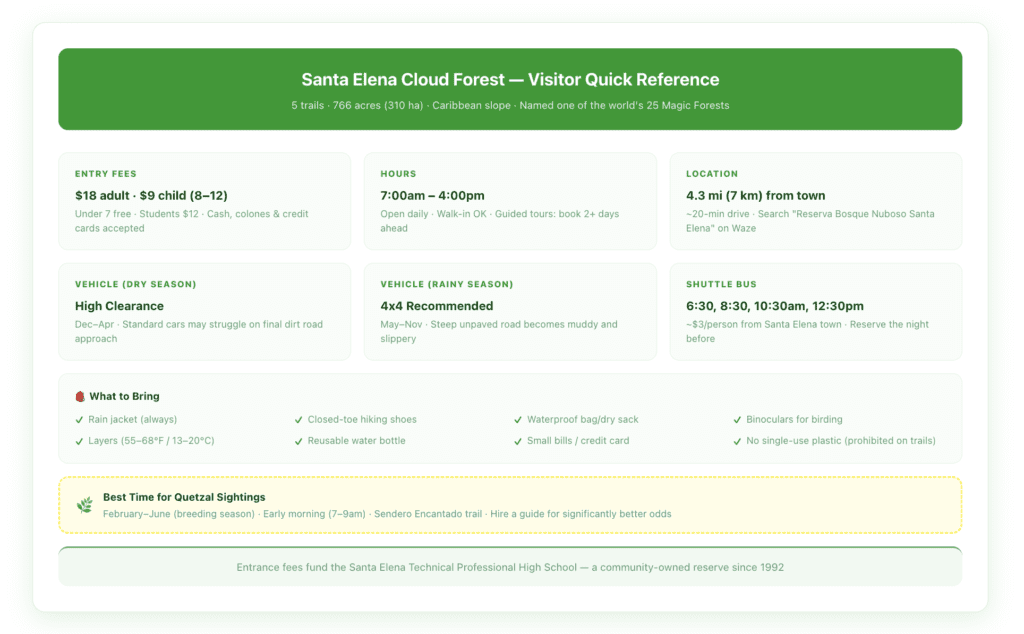
Santa Elena Cloud Forest Reserve is a 766-acre (310-hectare) community-run reserve on the Caribbean slope of Costa Rica’s Continental Divide, 4.3 miles (7 km) from Santa Elena town. Entry is $18 for foreign adults, open daily 7 am–4 pm, no advance booking required for self-guided visits. You’ll need a high-clearance vehicle in the dry season and a 4×4 in the rainy season for the unpaved approach road.
Quick Facts:
- Location: 4.3 mi (7 km) from Santa Elena town; ~20-min drive on the road toward Treetopia and Selvatura
- Entry: $18 foreign adults · $9 children (8–12) · under 7 free · open 7 am–4 pm daily
- Trails: 5 trails ranging from 0.4 mi to 3 mi (0.6–4.8 km); 8 mi (13 km) total
- Best for quetzals: February–June on the Encantado Trail (breeding season)
- Vehicle: High clearance (dry season) · 4×4 strongly recommended May–November
- Funding: Entrance fees fund the Santa Elena High School, which has been community-run since 1992
Top Experiences:
- Observation Tower (Youth Challenge Trail) — panoramic views above the canopy; Arenal Volcano visible on clear mornings
- Quetzal Sightings (Encantado Trail) — established nesting zone; best Feb–Jun, early morning, with a guide
- Full-Day Circuit — combine Caño Negro + Youth Challenge for a 7.4 mi (12 km) loop through remote cloud forest
- Crowd-Free Hiking — a fraction of the visitors that Monteverde Biological Reserve receives; most mornings, you’ll encounter very few people
- Pair with Adventure Parks — Selvatura and Treetopia sit on the same road; easy half-day combination.
Santa Elena pairs well with a full Monteverde itinerary. Having your own vehicle — ideally a 4×4 for the mountain roads — gives you the flexibility to visit multiple reserves and adventure parks without depending on shuttle schedules. If you need any help with a Costa Rica car rental, contact us now!
Santa Elena Cloud Forest Reserve is a 766-acre (310-hectare) cloud forest sitting just over the Continental Divide from the more famous Monteverde Reserve — and it’s genuinely one of the most peaceful hikes in the region. Entry is $18 for foreign adults, trails are open 7 am–4 pm daily, and you can walk in without a reservation. What separates it from Monteverde isn’t just the crowd levels; it’s the ecosystem, the elevation, and the fact that your entrance fee goes directly to funding the local high school. If you’re already planning to spend time in the Monteverde cloud forest area, adding Santa Elena as a half-day stop is one of the better decisions you’ll make on your trip. It fits cleanly into any 1-week Costa Rica itinerary that includes the Tilarán Mountain Range.
Key Takeaways
- Santa Elena Cloud Forest Reserve costs $18 for foreign adults, $9 for children ages 8–12; open 7 am–4 pm daily, walk-ins welcome.
- The reserve sits on the Caribbean slope of the Continental Divide — a different microclimate and ecosystem than the Monteverde Biological Reserve.
- Five trail options range from 0.4 miles (0.6 km) to 7.4 miles (12 km); most visitors complete a satisfying loop in 2–3 hours.
- A newer observation tower offers panoramic views and, on clear mornings, sightlines to Arenal Volcano.
- The reserve was named one of the world’s 25 “Magic Forests” and is run by a local community organization that funds Santa Elena High School.
- You need a high-clearance vehicle for the dry season; a 4×4 is strongly recommended during the rainy season (May–November).
- The reserve is 20 minutes from Santa Elena town — easy to combine with adventure parks on the same road or Monteverde accommodations as your base.
What Actually Makes Santa Elena Cloud Forest Different?
Most visitors to Monteverde book tickets to the Monteverde Cloud Forest Biological Reserve and call it a day. That’s a perfectly solid choice — it’s popular for a reason. But if you want to understand why the Monteverde zone is so ecologically special, visiting Santa Elena alongside it (or instead of it) gives you a genuinely different experience.
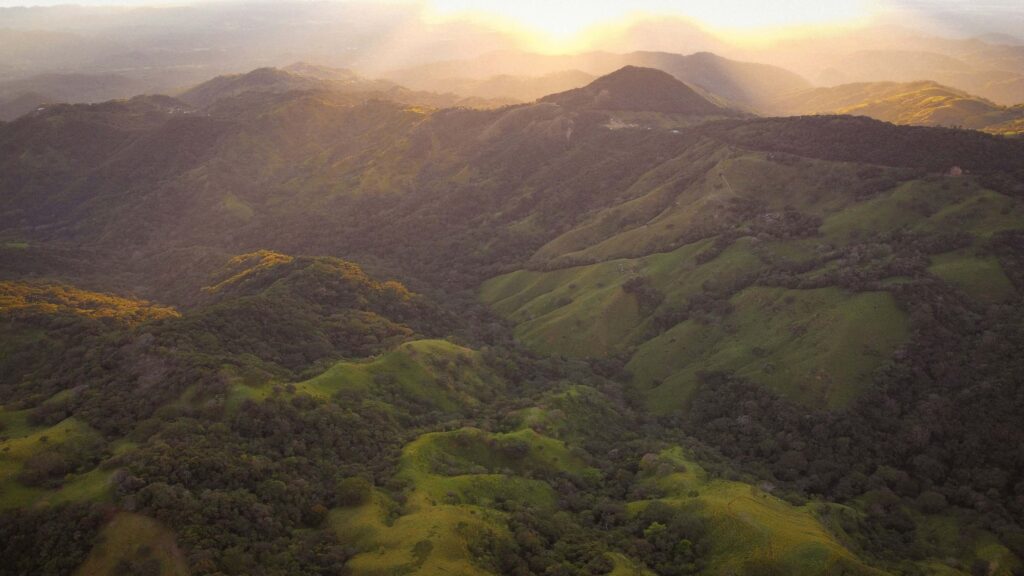
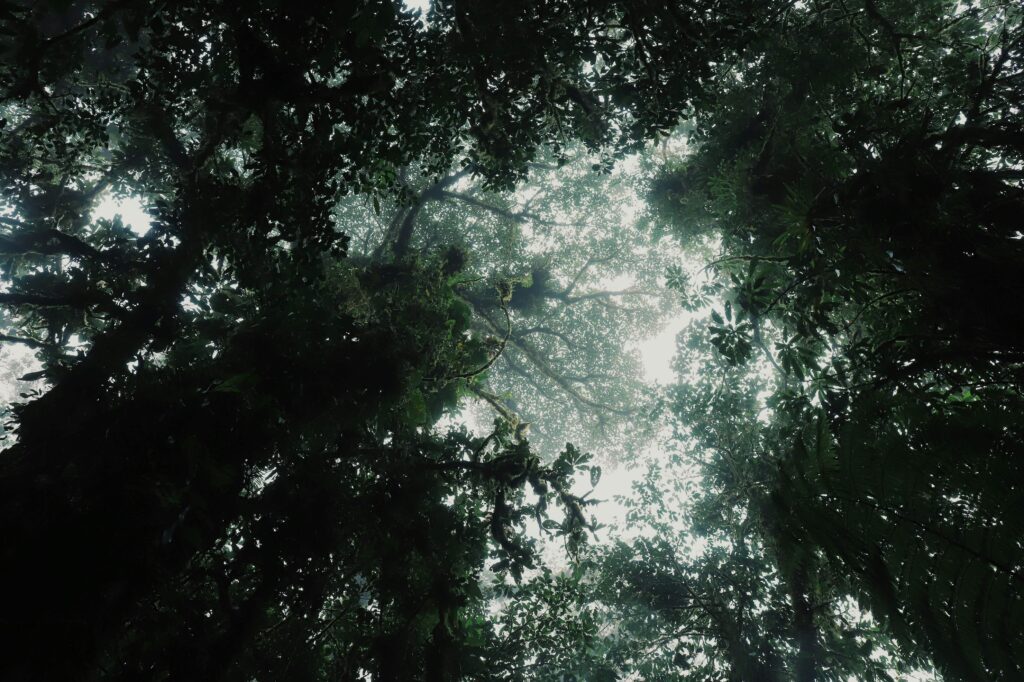
The key difference is geography. The Monteverde Biological Reserve sits on the Pacific slope of the Continental Divide. Santa Elena Reserve sits on the Caribbean slope, which means it catches more moisture from Caribbean trade winds and experiences higher humidity year-round. The result is a denser forest canopy, more epiphytic growth (mosses, bromeliads, orchids covering every surface), and a slightly different species composition. According to the Santa Elena Reserve’s official website, the forest maintains over 90% humidity year-round — conditions that support extraordinary plant diversity, including arborescens ferns, ficus trees, orchids, and bromeliads. The reserve has been named one of the world’s 25 “Magic Forests” — a designation based on its biodiversity and the constant mist that defines the experience.
There’s also the ownership model. Unlike government-run national parks or privately operated biological reserves, Santa Elena is managed by a non-profit organization connected to the local Santa Elena Technical Professional High School. The project began in 1992 through a collaboration with Youth Challenge International and the local community. When you pay your $18 entrance fee, you’re directly funding the school’s programs. That’s not marketing copy — it’s the actual funding mechanism, and it’s worth knowing before you visit.
How Does It Compare to Monteverde Biological Reserve?
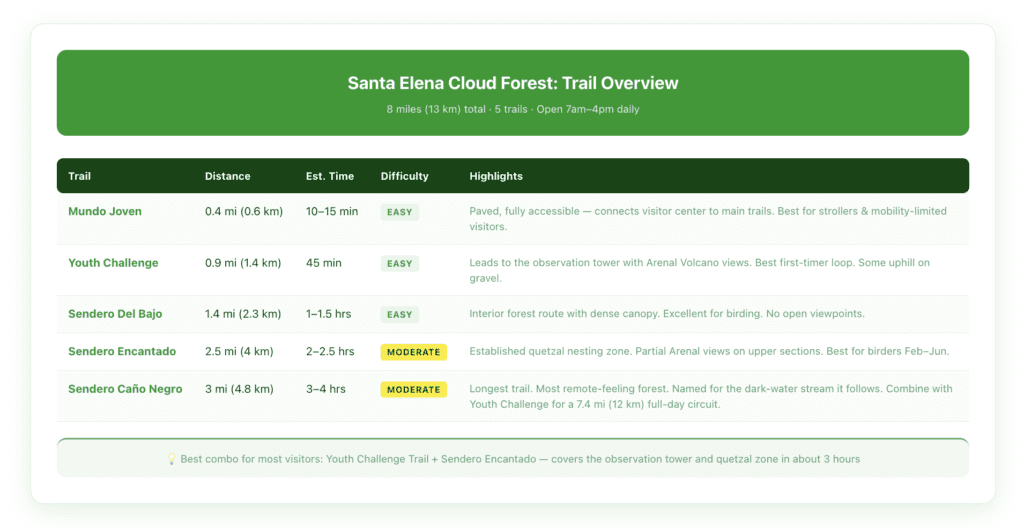
This is the question most travelers are actually asking, so let’s answer it directly. Here’s how the two reserves stack up for a typical visitor:
The Monteverde Cloud Forest Biological Reserve covers 26,000 acres (10,520 hectares) and receives roughly 70,000 visitors per year. It has more developed infrastructure, more guides available, and slightly better-regulated wildlife viewing. The Monteverde Cloud Forest Biological Reserve is the right choice if you want maximum trail variety, hanging bridges within the reserve itself, and a broader range of organized tours. It’s also the better pick if you’re specifically focused on the diverse wildlife of Monteverde across multiple species.
Santa Elena Reserve covers 766 acres (310 hectares) and sees a fraction of those visitors. On a busy dry-season day, you might encounter 15–20 people on the trails. The trails are somewhat more rustic, the forest feels more untouched, and the overall atmosphere is quieter. The reserve added a newer observation tower that Monteverde doesn’t have — a steel-platform climb above the canopy that delivers panoramic views of the surrounding mountains and, on clear mornings, Arenal Volcano in the distance.
Neither reserve is “better” in an absolute sense. They sit 4.3 miles (7 km) from each other, and the road between them passes Treetopia (formerly Sky Adventures) and Selvatura Park, so doing both in a single day is realistic if you start early.
What Are the Trails at Santa Elena Cloud Forest Reserve?
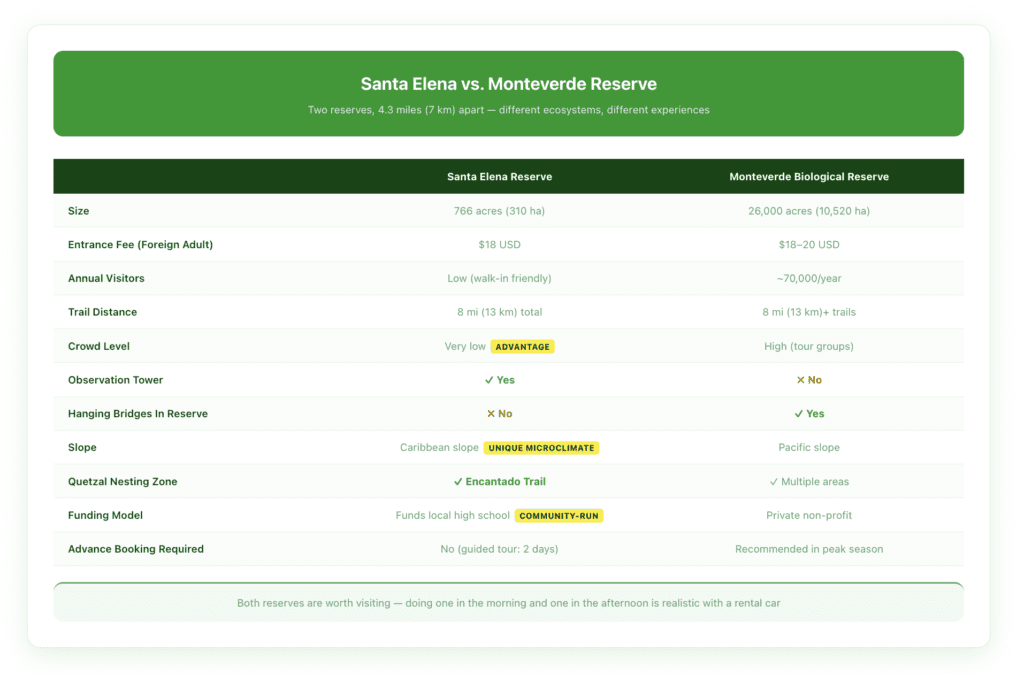
The reserve has five named trails plus the short connector path (Mundo Joven) that links the visitor center to the main trail system. Together they cover about 8 miles (13 km) of forest.
Mundo Joven Trail (0.4 miles / 0.6 km) is the paved connector path closest to the entrance. It’s the only fully accessible trail in the reserve and works well for visitors with mobility limitations or families with strollers. The path is short but gives you a genuine taste of the cloud forest environment.
Youth Challenge Trail (0.9 miles / 1.4 km) is the easiest full loop, and the one most guides recommend for first-timers or families with young children. It passes through dense cloud forest and leads directly to the observation tower — the best reason to make the trip. This trail has some uphill sections, but nothing steep. Allow around 45 minutes. It’s a similar scope to the accessible trails at Manuel Antonio National Park in terms of physical demand — short, rewarding, and manageable for most fitness levels.
Sendero Del Bajo (1.4 miles / 2.3 km) cuts through the middle of the reserve. It doesn’t have the open viewpoints of other trails, but the forest density here is exceptional. It’s quieter than the outer loops and good for birding, since the interior canopy stays relatively still.
Sendero Encantado (2.5 miles / 4 km) is the trail most cited for quetzal sightings. The reserve has established a quetzal nesting zone along the Encantado route, making it the logical choice during breeding season (February–June). It also offers some of the better views of Arenal Volcano from its higher sections.
Sendero Caño Negro (3 miles / 4.8 km) is the longest individual trail. Expect 3–4 hours for this one on its own. The name refers to a dark-water drainage stream that runs through this section. It’s more physically demanding than the other trails and delivers a more remote-feeling forest. Combine Caño Negro with the Youth Challenge Trail if you want to log a full day at the reserve — the combined circuit runs about 7.4 miles (12 km).
For most visitors, the Youth Challenge Trail plus a portion of Encantado hits the highlights without pushing into a full-day commitment. You’ll see the observation tower, experience a genuine cloud forest, and have a realistic shot at spotting quetzals if timing is right — all in 2–3 hours. Those planning around wildlife should also read about Monteverde’s broader wildlife diversity to understand what’s realistic across the full zone.
What Wildlife Can You See at Santa Elena Cloud Forest Reserve?
Be honest with yourself about expectations here. Santa Elena is a birding reserve first. The dense canopy and high moisture levels create ideal conditions for birds, but actually make mammal sightings harder than at more open reserves like Curi Cancha. According to SINAC, Costa Rica’s National System of Conservation Areas, the Monteverde Conservation Area encompasses multiple reserves protecting one of the most biologically significant zones in Central America. Animals exist throughout the reserve, but the thick vegetation means you’ll often hear them before you see them — if you see them at all.
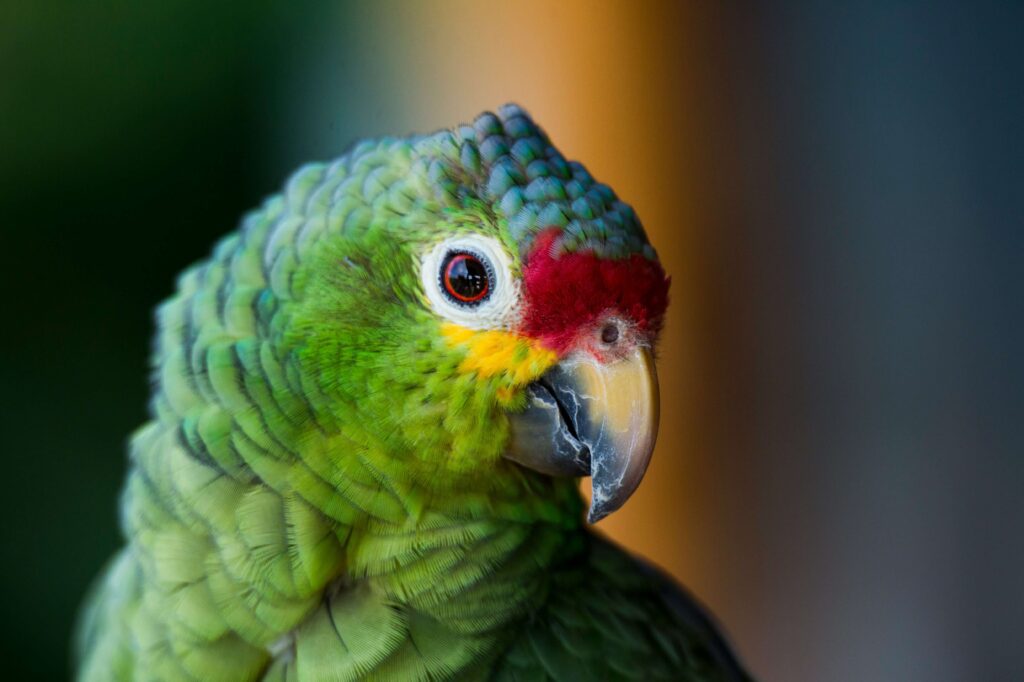
The forest holds over 200 bird species. The most sought-after is the resplendent quetzal, a bird so visually striking it’s genuinely hard to believe it’s real. The male has emerald-green plumage with a crimson belly and tail feathers that can reach 3 feet (nearly 1 meter) long. Your best window for quetzal sightings is February through June (breeding season), early morning, on or near the Encantado Trail. A guide significantly improves your odds — they know the nesting zones and can identify calls you’d walk right past. AllTrails users consistently note the Encantado and Youth Challenge trails as the best for wildlife encounters. Other bird species include toucans, hummingbirds, woodcreepers, Collared Redstarts, and the Costa Rican warbler (endemic to the country).
Mammal sightings are less predictable. Coatis wander across trails and are the most commonly encountered. Howler monkeys and white-faced capuchins are present in the reserve. Mexican hairy dwarf porcupines live in the trees (nocturnal but occasionally spotted sleeping during the day). Tarantulas are not uncommon, particularly after rain when they move across the trail surface. According to National Geographic’s coverage of cloud forests, these ecosystems support plant and animal diversity that far exceeds what their limited geographic area would suggest — the moisture gradient creates layered habitats that compress dozens of micro-environments into a single walk. The reserve also has no shortage of insects, centipedes, glass-winged butterflies, and giant millipedes — the kind of biodiversity that makes a guided tour worthwhile for anyone interested in the smaller residents.
No food is allowed on the trails — the cafeteria at the visitor center is where you eat if you need a break. This is enforced to avoid habituating wildlife to human food sources. If you’re coming from or heading to Arenal Volcano after your Monteverde days, the combined cloud forest and volcano circuit is Costa Rica’s most popular first-time itinerary for good reason.
Do You Need a Guide at Santa Elena Cloud Forest Reserve?
Short answer: for self-guided hiking, no. For wildlife spotting, strongly yes.
The trails are color-coded and clearly marked. The visitor center provides trail maps. You can walk the entire reserve independently without any navigation challenges. If your goal is to experience the cloud forest atmosphere — the mist, the moss-covered trees, the silence — a self-guided walk delivers that completely. The Costa Rica Tourism Board (ICT) certifies naturalist guides across the country, and guides at Santa Elena hold these certifications — a useful quality signal when booking.
But if you want to actually see and understand what you’re looking at, hire a guide. Guides at Santa Elena know the nesting zones, can identify bird calls before you’ve even raised your binoculars, and will spot the porcupine sleeping in a canopy branch 40 feet (12 meters) up that you would have walked right past. They also know which trails have had recent sightings.
For guided tours, you need to contact the reserve at least two days in advance — walk-in guide availability is limited. Guided tours are typically 3 hours and cover 1–2 trails depending on group pace. Book through the reserve’s official website at reservasantaelena.org, where you can also find WhatsApp contact details for quick communication.
When Is the Best Time to Visit Santa Elena Cloud Forest Reserve?
The dry season (December–April) is generally recommended for better trail conditions and higher chances of clear views from the observation tower. That said, “dry season” in a cloud forest is a relative term — this environment stays humid and misty year-round by definition. Even on a sunny dry-season day in March, you may get rained on. Pack accordingly, regardless of when you go.
The quetzal breeding window (February–June) overlaps with the late dry season and the beginning of the green season, making that stretch the best overall combination of conditions plus wildlife opportunity. According to Costa Rica’s ICT tourism board, Monteverde and the Santa Elena area consistently rank among the top destinations for quetzal sightings in the country. If spotting a quetzal is your primary goal, February through April is the sweet spot.
The green season (May–November) brings heavier rainfall and muddier trails, but also dramatically fewer visitors. If you don’t mind damp conditions and want the trails almost entirely to yourself, a green season visit to Santa Elena is genuinely excellent. The Tico Times — Costa Rica’s leading English-language news source — regularly covers conservation news about Monteverde reserves, and the Santa Elena Reserve has been highlighted for its community-managed approach and resilient visitor experience across both seasons. Carry a rain jacket and a waterproof bag for your camera. Closed-toe hiking shoes or boots are important year-round; sandals are a poor choice here regardless of season.
For Costa Rica’s weather patterns by region and month, the cloud forest zone operates differently from the coast — expect cool temperatures (55–68°F / 13–20°C) and high humidity in all seasons.
How Do You Get to Santa Elena Cloud Forest Reserve?
The reserve sits 4.3 miles (7 km) northeast of Santa Elena town — about a 20-minute drive. The route passes Selvatura Park and Treetopia on the way up, so it’s easy to find on Waze or Google Maps (search “Reserva Bosque Nuboso Santa Elena”). If you’re flying into San José Airport, Monteverde is roughly 3–3.5 hours from the terminal and the most common first stop on a classic Costa Rica circuit.
The road out of town is paved for most of the route, then transitions to a steep, unpaved dirt road as you approach the reserve. This section has significant potholes and grades. In the dry season, a high-clearance vehicle handles it without drama. In the rainy season, a 4×4 is strongly recommended — the road gets muddy and slippery enough that standard vehicles can struggle. This is consistent with the broader driving advice for the Monteverde region, where road quality drops significantly once you leave the main town routes. Checking current road conditions before your drive is smart practice during the green season.
Parking at the reserve is free. There’s a covered visitor center with bathrooms, a small orchid garden, and a cafeteria serving traditional casados, sandwiches, and smoothies.
If you don’t have a vehicle, the reserve operates a daily shuttle bus from Santa Elena town. The bus departs at 6:30 am, 8:30 am, 10:30 am, and 12:30 pm, and returns at 9 am, 11 am, 1 pm, and 4 pm. Cost is approximately $3 per person. Reservations should be made before 8:30 pm the previous day — most hotels and hostels in town can book this for you, or contact the reserve directly via WhatsApp.
Getting to Monteverde itself from San José takes 3–3.5 hours via Route 606 through Sardinal. From Liberia Airport, plan for about 4–4.5 hours. The SJO road trip routes through the Central Valley are the most common approach for travelers building a first-time itinerary through Costa Rica’s highlands.
Travelers choosing between SJO and LIR airports will find SJO typically gives you a more direct route to the Monteverde zone — the mountain approach is well-established and straightforward with the right vehicle.
What Should You Bring to Santa Elena Cloud Forest Reserve?
The cloud forest is cooler and wetter than most of Costa Rica, so standard beach-trip packing will leave you cold and frustrated. A few non-negotiables:
Rain jacket — mandatory, not optional. Even in the dry season. The forest sits in permanent mist by definition, and afternoon rain can arrive quickly at any time of year.
Closed-toe shoes or hiking boots — the trails are gravel and packed earth, and they get muddy. Sandals are uncomfortable and unsafe here.
Waterproof bag or dry sack — for your phone and camera. A damp morning with occasional drizzle will work its way into pockets.
Binoculars — useful for birding regardless of whether you have a guide. Many of the best bird sightings happen in the canopy 50+ feet (15+ meters) above you.
Layers — temperatures at the reserve run 55–68°F (13–20°C). If you’re coming from a beach destination or a lower elevation, the temperature drop will feel dramatic. A light fleece or long-sleeve base layer under your rain jacket is enough. This is part of the broader planning for Costa Rica’s diverse microclimates — the cloud forest zone is a world apart from the coast. For a simple overview of where Costa Rica’s regions sit geographically, the highland zone, including Monteverde, is about 4 hours inland from both coasts.
Cash or card — the visitor center accepts both USD and Costa Rican colones, and credit cards are generally accepted. Bring small bills if paying cash.
No single-use plastics — the reserve prohibits bringing single-use plastics into the trails. Bring a reusable water bottle.
How Does Santa Elena Fit Into a Monteverde Day?
Most visitors to the area spend at least two days in or around Santa Elena town, which gives you room to spread activities across your stay. A practical one-day combination: arrive at Santa Elena Cloud Forest Reserve when it opens at 7 am, complete 2–3 hours of hiking, then drive back through town toward Treetopia or Selvatura Park for an afternoon hanging bridges walk or zipline tour. The park is only 15–20 minutes from Santa Elena Reserve on the same road, so the logistics work cleanly.
Alternatively, pair an early morning visit to Curi Cancha Reserve (known for better open-canopy wildlife viewing) with an afternoon at Santa Elena Cloud Forest Reserve. That combination gives you both the mammal and bird sightings that Curi Cancha delivers well, and the deeper forest immersion that Santa Elena does better. According to 100% Aventura’s operators, combining a morning reserve visit with an afternoon zipline tour is one of the most popular ways to structure a full Monteverde day.
For travelers doing the classic Arenal to Monteverde route — one of Costa Rica’s most popular itinerary segments — Santa Elena Reserve slots naturally into a full Monteverde day without requiring any backtracking. The Children’s Eternal Rain Forest is another reserve option in the same zone if you want maximum cloud forest coverage across your visit.
If you’re building a two-week Costa Rica itinerary or figuring out how to structure a week in the country, the Monteverde region rewards two full days. One day for Santa Elena Reserve and adventure activities on the road to it. One day for the Monteverde Biological Reserve or Curi Cancha with a guided tour. That split gives you the best of both ecosystems without rushing.
The Monteverde navigation guide covers how to get between reserves and adventure parks efficiently — useful context if you’re trying to build a tight day-by-day schedule for the area.
Santa Elena Cloud Forest Reserve is a legitimate destination in its own right — not just a backup option for when Monteverde sells out. Its community funding model, Caribbean-slope ecosystem, observation tower, and genuine quiet make it worth planning around. If you’re renting a car in Costa Rica, the road to Santa Elena Reserve is manageable with high clearance in the dry season and a 4×4 in the green season. According to Lonely Planet’s Costa Rica coverage, the Monteverde zone as a whole rewards visitors who plan for at least two days to experience both reserves properly.
After your hike, the local food scene in Santa Elena offers affordable casados and coffee close to the town center. Contact Vamos if you’re sorting out which vehicle makes sense for your Monteverde plans — the difference between a standard SUV and a 4×4 matters a lot on that final stretch of road.
Frequently Asked Questions
Is it worth visiting Santa Elena Cloud Forest Reserve if I’ve already been to the Monteverde Biological Reserve?
Yes — they’re genuinely different experiences. Santa Elena sits on the Caribbean slope of the Continental Divide, creating a denser, mistier forest with a different species composition than the Monteverde Reserve. The trails are quieter, the observation tower is unique to Santa Elena, and the community-funding model adds context that the Monteverde Reserve doesn’t offer. Most people who visit both leave preferring one over the other for different reasons — they’re complementary, not redundant.
Do you need to book Santa Elena Cloud Forest Reserve in advance?
Not for a self-guided visit. Walk-in tickets are available at the entrance, and no capacity caps are currently in place. If you want a guided tour, you need to contact the reserve at least two days ahead — guide availability is limited and can’t be arranged on arrival. Book via their official website or WhatsApp.
How much does Santa Elena Cloud Forest Reserve cost?
Foreign adult entry is $18 USD. Foreign children ages 8–12 pay $9 USD. Children under 7 are free (maximum two per paying adult). Students with a valid ID pay $12. Costa Rican nationals and residents have lower rates. Payment is accepted in USD, Costa Rican colones, or by credit card.
What is the best trail at Santa Elena Cloud Forest Reserve?
For first-time visitors, the Youth Challenge Trail (0.9 miles / 1.4 km) hits the observation tower and gives a solid cloud forest introduction in about 45 minutes. For birders focused on quetzal sightings, the Sendero Encantado (2.5 miles / 4 km) is the better choice — the reserve has established a quetzal nesting zone along this route. For the most immersive full-day experience, combine Sendero Caño Negro with the Youth Challenge Trail for a circuit of about 7.4 miles (12 km).
Is Santa Elena Cloud Forest Reserve family-friendly?
Yes — for families with kids old enough to walk 1–2 miles. The Mundo Joven Trail near the entrance is paved and accessible for strollers. The Youth Challenge Trail is manageable for children aged 5 and up who can handle some uphill walking on gravel paths. The cafeteria at the visitor center serves food, and the restrooms are clean. Wildlife encounters — particularly insects, birds, and occasional coatis — tend to keep kids genuinely engaged.
Can you see Arenal Volcano from Santa Elena Cloud Forest Reserve?
On clear mornings, yes — from the observation tower on the Youth Challenge Trail. The view is across the mountain range toward Arenal, and the sightline opens up nicely above the canopy. Cloud cover is unpredictable at this elevation, so there’s no guarantee, but arriving early (7–8 am) before clouds build gives you the best chance. The Sendero Encantado and Sendero Caño Negro also have higher sections with partial Arenal views.