
Last Updated on June 26, 2026
Monteverde Night Walk: What's Covered
A Monteverde night walk turns the cloud forest into a different world after dark — tarantulas emerge from burrows, red-eyed tree frogs call from leaves, and two-toed sloths finally start moving. Two-hour guided tours on lit trails reveal wildlife you’d never spot by day.
Quick Facts
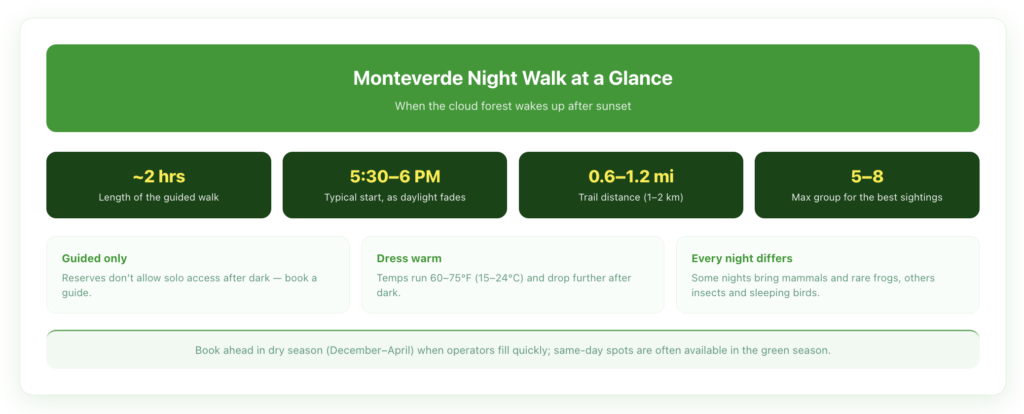
- Duration: 2-hour walks starting around 5:30–6:00 PM as daylight fades
- What to wear: closed-toe shoes, long pants, and a jacket — temps drop after dark
- Wildlife: two-toed sloths, tarantulas, tree frogs, sleeping birds, armadillos, occasional snakes
- Group size: smaller groups (5–8 max) mean better sightings — guided tours only
- Getting there: steep final roads favor a 4×4, though many operators offer Santa Elena hotel pickup
Top 3 Nocturnal Encounters
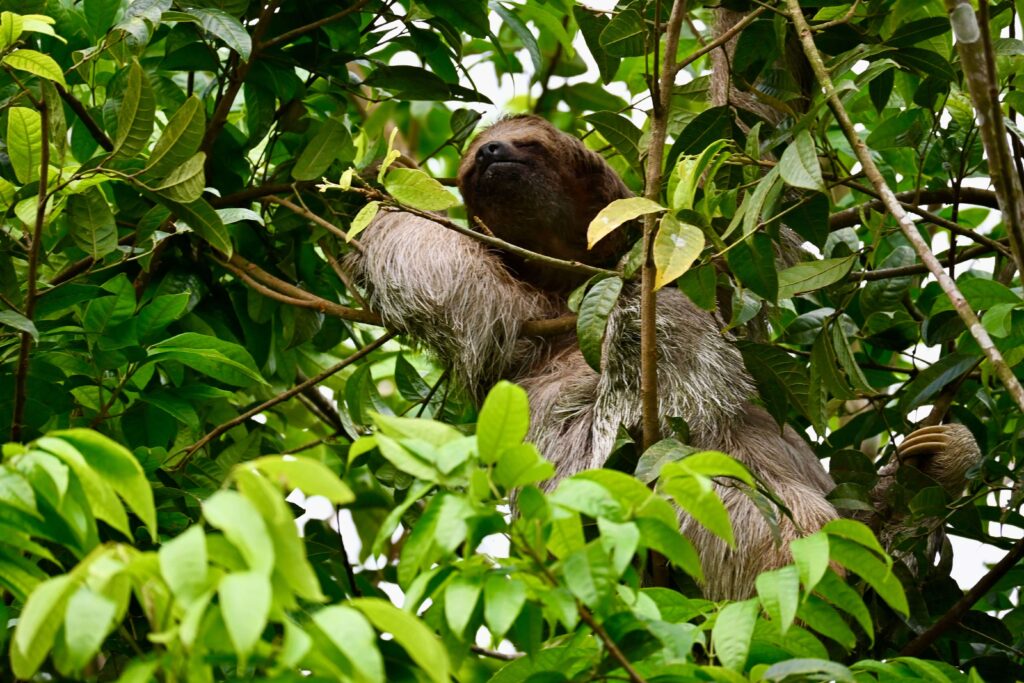
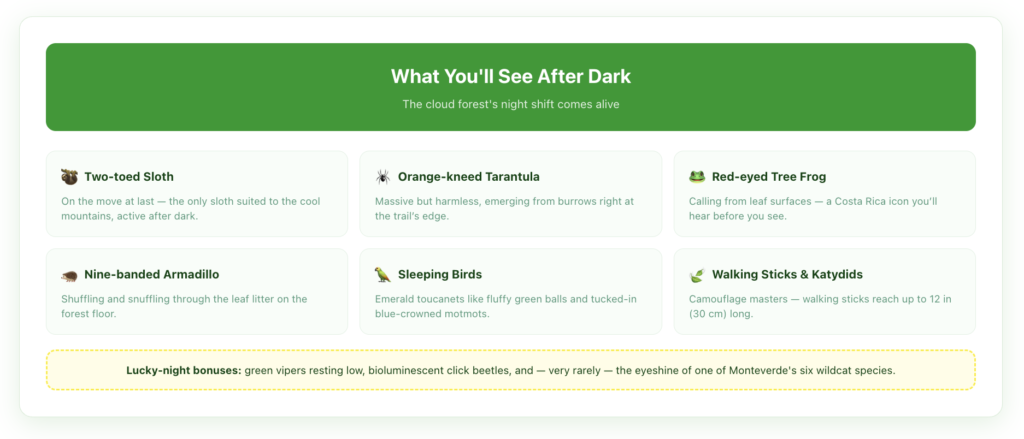
- Two-toed sloths in motion — the only sloth suited to Monteverde’s cool mountains, active after dark
- Orange-kneed tarantulas — massive but harmless spiders emerging from trail-edge burrows
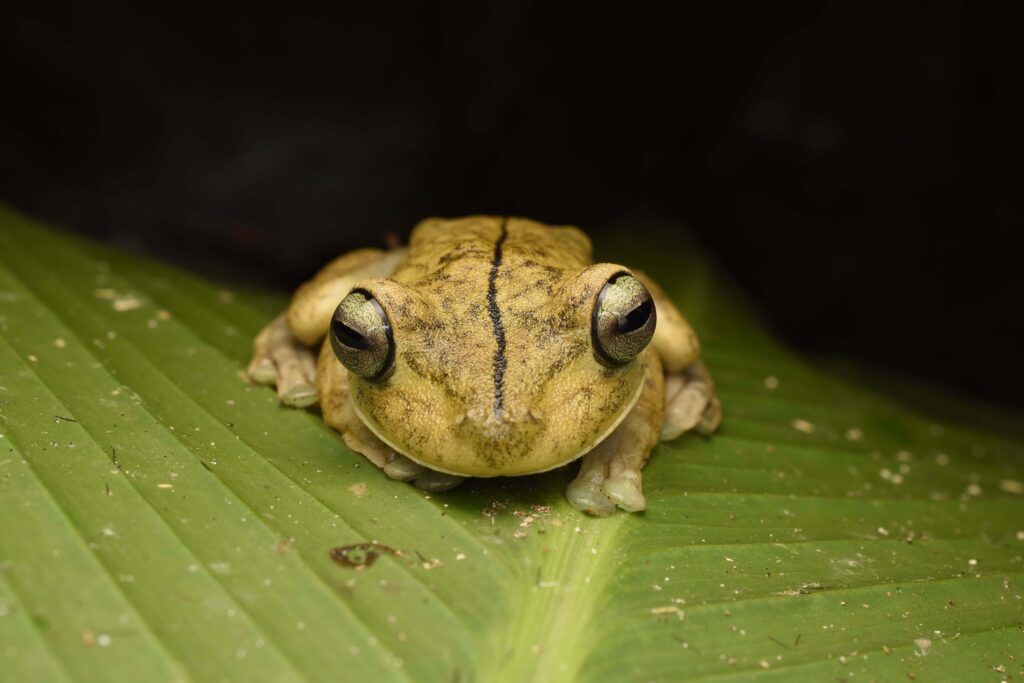
- Sleeping birds & tree frogs — emerald toucanets like green balls and red-eyed frogs on the leaves
Pair it with daytime hanging bridges or ziplining at Sky Adventures, and give yourself two nights in Monteverde so you’re not rushing.
If you need any help with a Costa Rica car rental, contact us now!
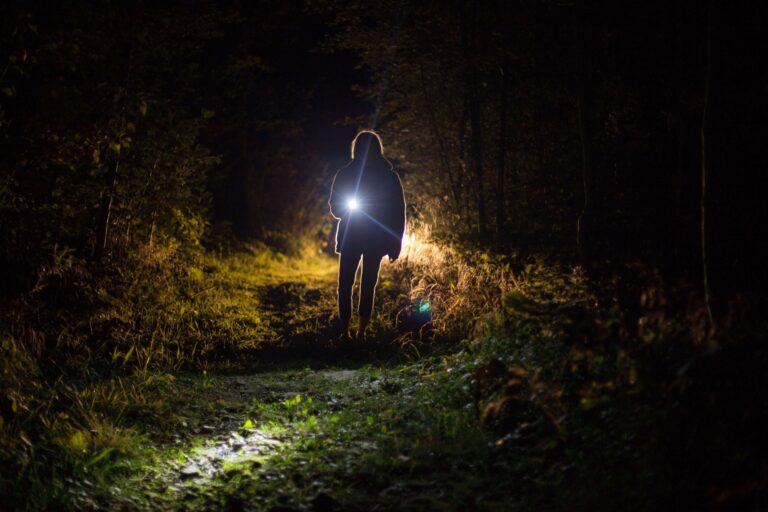
A Monteverde night walk transforms the cloud forest into something completely different, and it’s absolutely worth it. While daytime visitors spot sleeping birds and the occasional sloth, the forest floor and canopy come alive after sunset with tarantulas emerging from burrows, red-eyed tree frogs calling from leaf surfaces, and two-toed sloths finally moving around. Most walks last for about two hours on well-maintained trails with expert guides who know exactly where nocturnal creatures are found.
The cloud forest’s unique ecosystem means that your wildlife experience is different from other elevations. You’ll see two-toed sloths, but three-toed sloths don’t have the fur density to survive in the cool mountains, so you’ll have to spot them at sea level.
Key Takeaways
- Night walks typically last 2 hours on maintained trails, with expert guides providing flashlights.
- Two-toed sloths are nocturnal and most active during evening hours in Monteverde.
- Expect to see tarantulas, tree frogs, sleeping birds, katydids, and occasionally snakes.
- Wear closed-toe shoes, long pants, and a jacket—Monteverde temperatures drop significantly after dark.
- Book with private reserves like Curi-Cancha or through outdoor activities in Monteverde for smaller group sizes.
What Animals Will You See on a Monteverde Night Walk?
The species you encounter changes with every walk—that’s part of what makes this experience unpredictable and exciting. Common sightings include orange-kneed tarantulas resting at burrow entrances, nine-banded armadillos shuffling through leaf litter, and sleeping emerald toucanets perched on branches looking like fluffy green balls.
The diverse wildlife in Monteverde includes over 400 bird species and 100 mammal species within its cloud forest ecosystem. During night tours, guides often locate green vipers positioned low to the ground—typically digesting a recent meal—and walking sticks measuring up to 12 inches (30 cm) long. The sleeping hummingbirds are particularly charming as their tiny forms tucked into nests are barely visible without a guide’s trained eye.
Blue-crowned motmots, both sleeping and awake, frequently appear along trails. Click beetles create bioluminescent displays, while various katydid species demonstrate remarkable camouflage adaptations. According to the Monteverde Cloud Forest Biological Reserve, the reserve protects one of the most intact cloud forest examples remaining on Earth, which represents less than 1% of global forest coverage.
How Long Does a Monteverde Night Walk Take?
Plan for approximately two hours of walking through the forest after dark. This includes time for your guide to spot wildlife, explain behaviors, and help participants take photographs without flash. The pace stays relaxed, and rushing defeats the purpose since nocturnal animals freeze or flee when startled.
Most tours begin around 5:30 or 6:00 PM as daylight fades, timing the walk for when nocturnal species become active. The Monteverde Cloud Forest Reserve covers over 26,000 acres (10,500 hectares) of protected land, though night walks typically cover just 0.6-1.2 miles (1-2 kilometers) on designated trails where wildlife concentrations are highest.
If you’re planning to visit Monteverde, consider scheduling your night walk early in your stay. This gives you flexibility if weather forces a reschedule, as cloud forest conditions change rapidly, and guides may suggest postponing the tour during heavy rain or dense fog.
What Should You Wear and Bring?
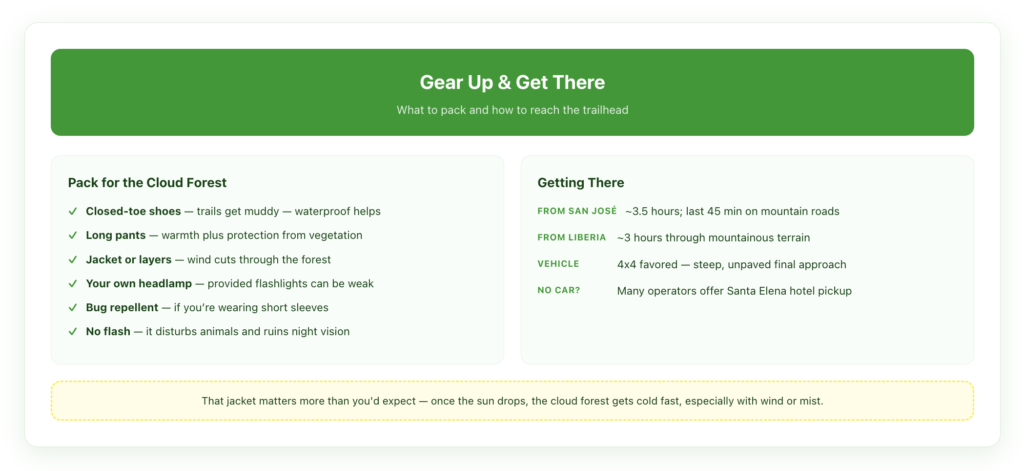
The cloud forest environment demands specific preparation that differs from Costa Rica’s beaches and lowlands. Temperatures in Monteverde average 60-75°F (15-24°C) year-round, but evenings feel cooler, especially with wind or mist.
Essential items for your night walk:
- Closed-toe hiking shoes or sturdy sneakers (trails can be muddy)
- Long pants—not just for warmth, but for protection from vegetation
- A jacket or layers, as the wind cuts through the forest unpredictably
- Bug repellent if wearing short sleeves (optional with full coverage)
Guides provide flashlights, although the ones included are sometimes weak. Bringing your own headlamp frees your hands for steadying yourself on uneven terrain or adjusting camera settings. Speaking of cameras, a telephoto lens in the 100-400mm range captures better wildlife shots in low light. Never use flash because it disturbs animals and ruins their night vision.
The Monteverde geography creates conditions where Pacific trade winds meet mountain peaks at elevations between 3,900 and 5,900 feet (1,200 and 1,800 meters). This constant moisture means trails remain damp year-round, so waterproof footwear is worth considering.
Which Night Tour Operators Should You Consider?
Several private reserves offer night walks with varying group sizes and wildlife access. Smaller groups typically mean better sightings since fewer people create less noise and disturbance.
The reserves surrounding Santa Elena, the main town in the Monteverde area, each maintain their own trail systems. Some operators limit groups to 5-8 participants, ensuring personalized attention from guides who know individual animal territories. Costa Rica’s official tourism board notes that guided tours provide the best chance to spot wildlife and learn about the cloud forest ecosystem.
When booking, ask specifically about:
- Maximum group size (smaller is better)
- Guide specialization (some focus on amphibians, others on mammals)
- Trail difficulty and accessibility
- Whether hotel pickup is included
The top attractions in Monteverde extend well beyond night walks, but this experience ranks among the most memorable activities available. SINAC, Costa Rica’s national conservation system, oversees protected areas throughout the country, though many Monteverde reserves operate as private entities with their own conservation programs.
What Makes Monteverde's Cloud Forest Different at Night?
The transformation between day and night in a cloud forest exceeds what happens in typical lowland rainforests. Temperature drops trigger activity in cold-blooded species that remain dormant during cooler daytime hours. The constant moisture creates ideal conditions for amphibians—Monteverde hosts 161 species of reptiles and amphibians within its boundaries.
Nocturnal predators emerge as well. The reserve supports all six Central American wildcat species: jaguars, ocelots, pumas, oncillas, margays, and jaguarundis. While sightings are rare, guides occasionally spot their eyeshine reflecting from deeper forest. The three-wattled bellbird, though heard frequently during daylight, settles into sleeping positions that guides know from years of observation.
Understanding Costa Rica’s weather patterns helps set expectations. Monteverde’s cloud cover forms regardless of season, though the dry season (December-April) offers slightly better visibility. Even during the green season, night walks proceed unless conditions become genuinely dangerous.
How Should You Prepare for Your Night Walk?
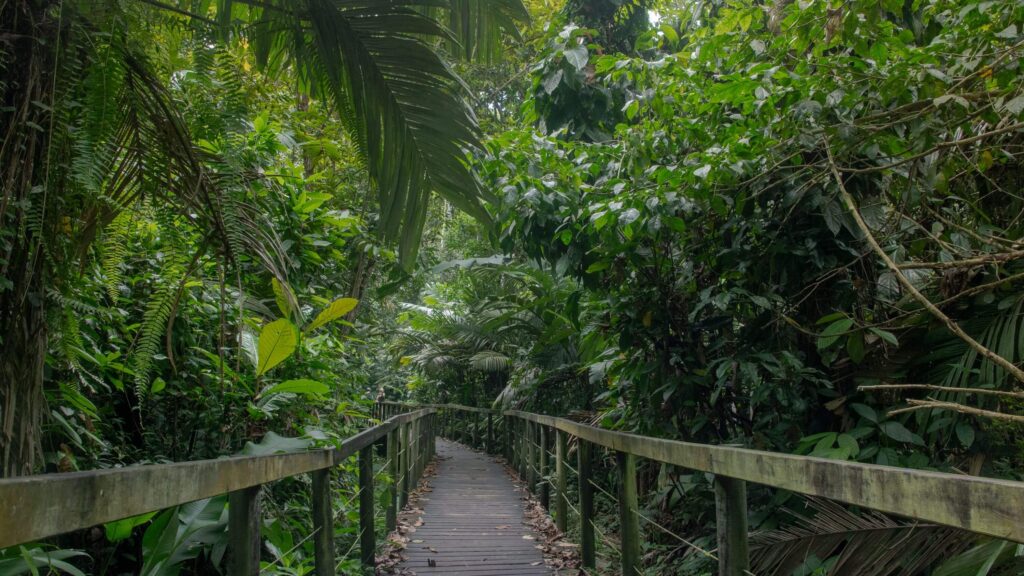
Beyond clothing and gear, mental preparation matters. This isn’t a zoo—you’re entering a working ecosystem where nothing is guaranteed. Some nights produce spectacular sightings with multiple mammal encounters and rare frogs. Other nights yield insects and sleeping birds. Both experiences teach something valuable about how cloud forests function.
Follow your guide’s instructions without deviation. Walking off trails or touching vegetation risks disturbing hidden creatures—some of which bite or sting. The Monteverde travel tips experienced travelers share consistently emphasize patience and quiet movement as keys to successful wildlife observation.
Arrive at the meeting point a few minutes early. Late arrivals disrupt group dynamics and may miss initial briefings about trail conditions or recent animal sightings. Most operators request that participants silence their phones and avoid unnecessary conversation during the walk.
What About Getting to Monteverde for Your Night Walk?
Navigating around Monteverde presents challenges worth planning for. The final approach involves steep, unpaved roads with sharp curves and significant elevation gain. A 4×4 vehicle handles these conditions far more comfortably than standard rental cars, especially during or after rain.
The drive from San José takes approximately 3.5 hours, with the last 45 minutes on challenging mountain roads. From Liberia Airport, expect about 3 hours of driving through increasingly mountainous terrain. Choosing the right vehicle for your Costa Rica itinerary becomes particularly important when Monteverde appears on your list.
Many night walk operators offer hotel pickup from Santa Elena accommodations, eliminating the need to drive after dark on unfamiliar roads. If you’re exploring Monteverde’s cloud forest reserves during daytime activities, confirming evening transportation in advance saves stress.
What Other Activities Complement a Night Walk?
A comprehensive Monteverde experience combines daytime and nighttime exploration. The Sky Adventures Monteverde complex—now called Treetopia—offers ziplines, hanging bridges, and an aerial tram that provide daytime canopy perspectives. Seeing the same forest from above during the day and at ground level after dark creates a complete picture of the ecosystem.
The hanging bridges in the Arenal region offer similar elevated experiences, and many travelers combine Monteverde with La Fortuna for volcano views and hot springs. The scenic drive between these destinations—while challenging—passes through beautiful mountain valleys with Lake Arenal viewpoints.
If staying multiple nights, consider both a guided night walk and a self-guided daytime hike. The Monteverde Cloud Forest Reserve trails extend over 13 kilometers (8 miles), with the La Ventana lookout offering views of the continental divide between Atlantic and Pacific watersheds on clear mornings.
For travelers building a one-week Costa Rica itinerary, Monteverde pairs naturally with Arenal for an adventure-focused trip, or with Manuel Antonio for a forests-and-beaches combination. A two-week itinerary allows deeper exploration of both cloud forest zones and coastal destinations.
Is One Night in Monteverde Enough?
One night technically allows for a night walk, but you’ll miss the cloud forest’s full character. Daytime hiking reveals different species—resplendent quetzals are most active during morning hours, and the forest’s famous orchid diversity requires daylight appreciation. The accommodations in Monteverde range from budget hostels in Santa Elena to eco-lodges near reserve entrances.
Two nights provide a better experience: arrive in the afternoon on day one, night walk that evening, full day of daytime activities on day two, depart morning of day three. This schedule works within most Costa Rica vacation timeframes without feeling rushed.
The local cuisine in Monteverde deserves attention between activities. Several restaurants in Santa Elena serve traditional Costa Rican dishes with ingredients sourced from the surrounding agricultural community that Quaker settlers established in the 1950s.
What Should You Know About Cloud Forest Conservation?
The Monteverde reserves exist because of deliberate conservation decisions spanning decades. Quaker families who settled here in 1951 preserved significant portions of their land as watershed protection. Scientists George Powell and Adelaida Chaverri later championed formal reserve establishment, leading to the creation of protected areas now managed by the Tropical Science Center.
Today, more than 70,000 visitors annually experience these forests while supporting ongoing conservation through entrance fees. The dry season months bring the highest visitation, though the forest’s perpetual moisture means green season visits offer equally valid experiences with fewer crowds.
Understanding this history adds meaning to your night walk. You’re not just watching wildlife—you’re participating in a conservation model that Costa Rica has exported worldwide. Driving in Costa Rica to reach places like Monteverde supports rural economies built around sustainable tourism rather than extractive industries.
Ready to Experience Monteverde After Dark?
The night walk delivers something you can’t replicate through videos or photographs. Standing in complete darkness while a guide’s flashlight reveals a tarantula’s reflective eyes or a sleeping toucan’s iridescent feathers creates memories that define Costa Rica trips.
Book your night walk in advance during peak season (December-April), as group sizes are limited and popular operators fill quickly. During the green season, same-day bookings are often possible, though confirming at least a day ahead ensures availability.
Whether Monteverde represents your primary destination or a stop within a larger Costa Rica vacation, the night walk belongs on your itinerary. Having your own vehicle lets you explore Monteverde’s attractions on your schedule, arriving early for sunrise wildlife viewing and returning for evening tours without coordinating shuttle schedules.
Frequently Asked Questions
Is the night walk in Monteverde worth it?
Absolutely. Night walks reveal an entirely different ecosystem than daytime visits—nocturnal species like tarantulas, sloths in motion, and tree frogs become active while diurnal animals sleep. The guided experience provides wildlife sightings and educational insights impossible to replicate independently.
How long is the Monteverde Night Walk?
Most night walks last approximately 2 hours, covering 1-2 kilometers (0.6-1.2 miles) on maintained forest trails. The pace stays slow and deliberate, allowing guides time to spot wildlife and explain animal behaviors without rushing participants.
What equipment do I need for a night walk?
Wear closed-toe shoes, long pants, and a jacket—temperatures drop significantly after dark at Monteverde’s elevation. Guides provide flashlights, though bringing your own headlamp improves the experience. Leave the flash off your camera; it disturbs wildlife.
What animals are in the Monteverde night tour?
Common sightings include two-toed sloths, orange-kneed tarantulas, nine-banded armadillos, sleeping birds (toucanets, motmots, hummingbirds), tree frogs, walking sticks, and various katydid species. Occasional sightings include snakes like green vipers and nocturnal mammals.
Are there snakes in Monteverde?
Yes, though they’re not extremely common. Green vipers occasionally appear on night walks, typically resting low to the ground while digesting prey. Guides know where snakes frequent and maintain safe distances while pointing them out to participants.
Can you visit Monteverde Cloud Forest without a tour?
You can hike independently during daytime hours in most reserves with self-guided trail maps. However, night walks require guided tours—reserves don’t allow unaccompanied nighttime access for safety and wildlife protection reasons.
How can I prepare for a night walk?
Dress in layers with closed-toe shoes and long pants. Arrive at your meeting point early, silence your phone, and prepare for quiet walking with minimal conversation. Eat beforehand since walks typically run 2 hours without breaks. Follow all guide instructions regarding trail boundaries.
What is the best night tour in Monteverde?
Several operators provide excellent experiences. Look for tours with small group sizes (8 people maximum), experienced guides with naturalist training, and private reserve access. Curi-Cancha Reserve consistently receives positive reviews for wildlife density and guide quality.