
Last Updated on July 24, 2026
Playa Cocles, Costa Rica: Quick Guide
Playa Cocles is a 1.2-mile (2 km) Caribbean beach 1.5 miles south of Puerto Viejo de Talamanca, known for consistent surf, an Afro-Caribbean atmosphere, and a Blue Flag designation. Strong rip currents make it a surf and sunbathing beach, not a casual swimming spot. A standard rental car reaches it from San José via Route 32 in 4–4.5 hours, no 4×4 needed.
Quick Facts:
- One of the only Caribbean coast beaches with active lifeguards (8 AM–5 PM)
- Rip currents are among the strongest in Costa Rica — swim only in lifeguard-flagged zones
- Best surf: January–March; sunniest months: September–October
- Cahuita National Park, 8 miles north; Jaguar Rescue Center, 1 mile south
Top 3 Things to Do:
- Surf the Beach Break — One of the Caribbean coast’s most consistent waves, best for intermediate and experienced riders. Multiple surf schools operate on the beach.
- Beach Hop the Corridor — Punta Uva, Playa Chiquita, and Manzanillo are within 8 miles south, each with a distinct experience.
- Access Caribbean Wildlife — The Caribbean food scene, wildlife viewing, and Cahuita snorkeling make Cocles a top Caribbean coast base camp.
If you need any help with a Costa Rica car rental, contact us now!
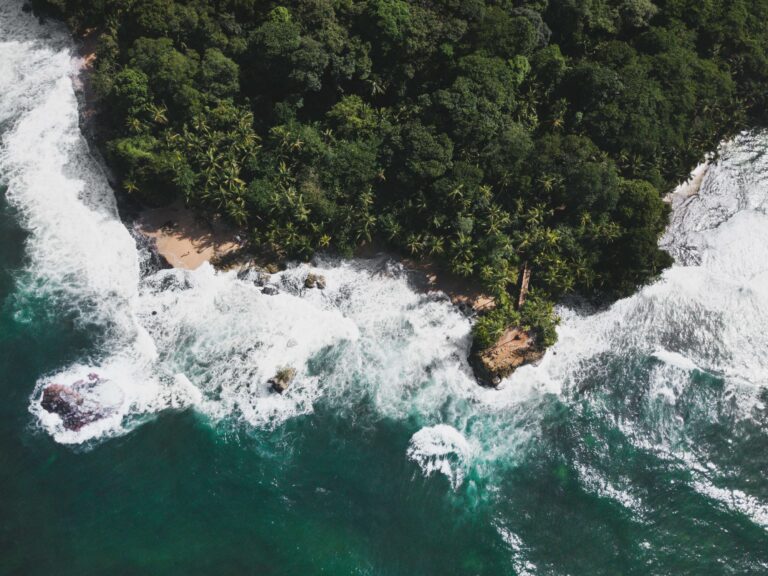
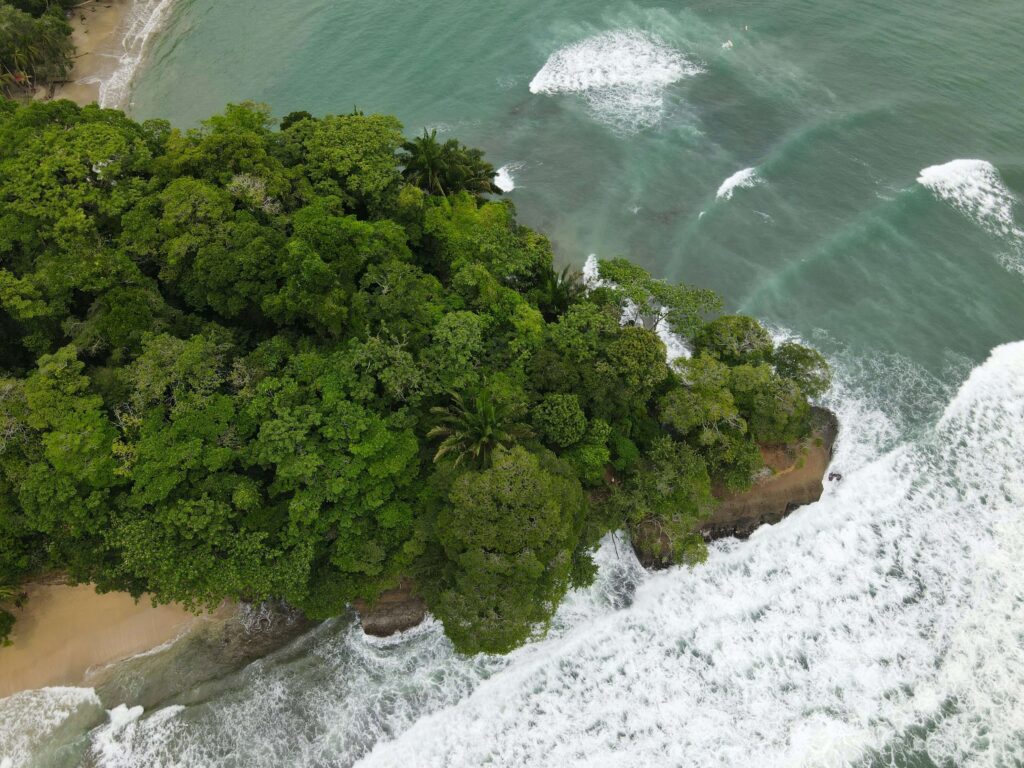
Playa Cocles sits about 1.5 miles (2.4 km) south of Puerto Viejo de Talamanca on Costa Rica’s southern Caribbean coast, and it hits different than just about any beach on the Pacific side. You get a wide, palm-lined stretch of golden-brown sand, consistent surf that draws serious riders from across the country, dense jungle pressing right to the edge, and an Afro-Caribbean culture that makes the whole area feel genuinely unlike anything else in Costa Rica. If you’re weighing a Caribbean itinerary, Cocles belongs near the top of your list.
Key Takeaways
- Playa Cocles is 1.5 miles (2.4 km) from Puerto Viejo, reachable by bike, rental car, or local bus.
- One of the very few Costa Rica Caribbean beaches with on-duty lifeguards (typically 8 AM–5 PM).
- Strong rip currents and surf make it primarily a surfers’ and sunbathers’ beach, not a casual swimming beach.
- The Caribbean coast runs on an inverted weather calendar, so September and October are the sunniest months.
- A standard sedan handles the road to Cocles without any issue year-round.
- Surf season peaks in January through March, with northeast swells delivering the best breaks.
Where Is Playa Cocles, and How Do You Actually Get There?
Playa Cocles is in the Limón Province, about 137 miles (220 km) from San José, which is roughly a 4.5-hour drive via Route 32 through Braulio Carrillo. The road to the beach is fully paved and flat, so unlike some destinations that require a 4×4, a standard sedan gets you there without issue in any season.
From Puerto Viejo town, Cocles is a 5-minute drive south along the main coastal road. Bike rentals in Puerto Viejo run around $10–15/day, and the flat 10-minute ride is one of the better ways to experience the beach road. There’s also a local bus running from Puerto Viejo to Manzanillo that stops at Cocles at regular intervals throughout the day, but your own vehicle allows you to spontaneously change your plans.
Parking is informal, and you’ll pull off along the road or into the wide dirt shoulder between the road and the sand. There are no fees and no attendants, so don’t leave anything valuable in your car. The U.S. Department of State’s Costa Rica travel advisory covers standard precautions worth reading before any trip here.
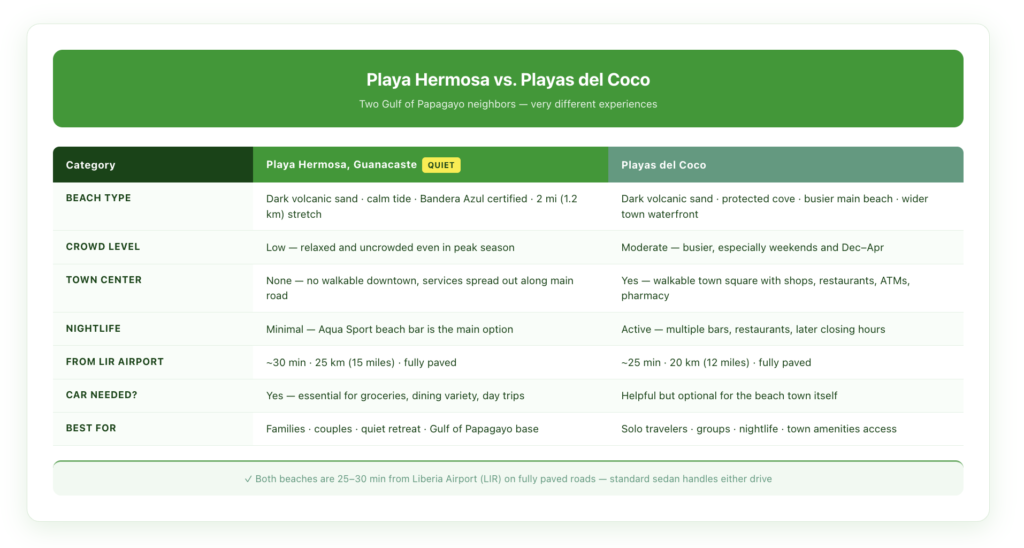
What Makes Playa Cocles Different from Other Costa Rica Beaches?
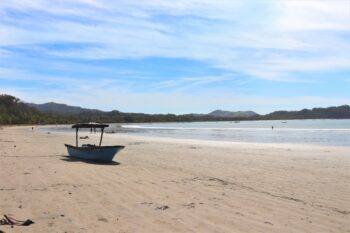
The first thing you notice is the color of the sand, which is golden-brown rather than white, or the dark volcanic gray you see on some Pacific beaches. Palm trees lean over both ends of the roughly 1.2-mile (2 km) stretch, and the jungle behind the sand is thick enough that you feel properly immersed in it.
What genuinely sets Cocles apart is the combination of factors you rarely get in one place: consistent surf, a lifeguard program, nearby cultural depth, and proximity to the Caribbean coast’s best wildlife. Most Caribbean beaches in Costa Rica are either well-developed or wild, but Cocles manages to be something in between.
The beach holds a Bandera Azul Ecológica (Blue Flag) designation, awarded by the Costa Rica national conservation authority SINAC to beaches meeting strict environmental and cleanliness standards. That’s not a given on the Caribbean side, and it’s worth paying attention to. You can also find general Caribbean coast information through the official ICT tourism office.
The Cocles community is tight-knit and proud. You’ll find local surf camps, small food spots, and that particular laid-back Caribbean energy that can’t be manufactured. Compare this to the polished infrastructure of Guanacaste or the busy beach town energy of Tamarindo, and Cocles feels organic and real in a way that more developed beach destinations don’t.
Is Playa Cocles Safe for Swimming?
This is the most important thing to know before you go: Playa Cocles has some of the strongest rip currents recorded on any beach in Costa Rica. Research from the University of Windsor’s coastal safety group documented rip speeds at Cocles reaching 9.2 feet per second (2.8 m/s), which is faster than an Olympic swimmer can move. These aren’t the kind of rips you muscle through.
The good news is that Cocles is one of the only beaches on the entire Caribbean coast with an active lifeguard program. Guards are typically on duty from 8 AM to 5 PM and place warning flags directly at active rip channels throughout the day. This approach has been effective at limiting drownings since 2008, but only if you respect the flag system.
Practical rules for swimming at Cocles:
- Only swim in areas marked safe by the lifeguards, and you should note that flag placement changes throughout the day
- The south end of the beach near the Cocles River mouth tends to be calmer, especially at low tide
- Small tidal pools form at the south end during low tide, which are good for children
- Stay away from the surf zone, as that area belongs to the surfers
- Never swim alone, and don’t go in after dark or after drinking
- If caught in a rip: stay calm, float, and swim parallel to shore. You should never fight the current directly.
The Tico Times covers beach safety incidents on the Caribbean coast regularly and is worth bookmarking for current conditions. For broader safety planning, understanding ocean conditions is one of the most important prep steps for any Costa Rica trip.
If gentle swimming is the priority, Punta Uva, about 5 miles (8 km) south, has calmer water and is better suited for families with young children.
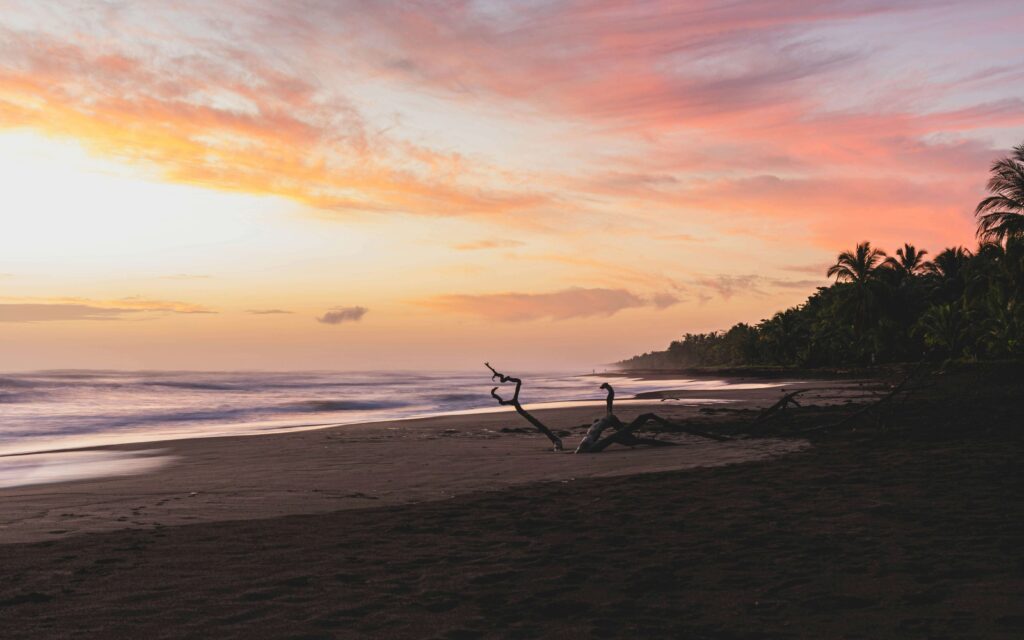
Why Do Surfers Love Playa Cocles?
The break at Cocles is nicknamed “The Beach Break” by locals and offers a consistent left and right break that works well for intermediate and experienced surfers. It’s an exposed beach and reef break that responds best to northeast swells with offshore winds from the south-southwest. Surf-Forecast.com’s Cocles page tracks live conditions and shows that the best clean wave window is February, with peak surf season running January through March.
When northeast swells arrive and conditions line up, the waves get legitimately powerful and deliver rides close to shore. Near the island at the north end, a nice left break forms during big swells that can run nearly the full length of the beach. The wave is shorter and snappier than Salsa Brava in Puerto Viejo, making Cocles more manageable for intermediate riders, but it still demands respect.
Short boarders do particularly well here. Several surf schools and camps operate directly at Cocles, so finding surf instruction and activities on the beach is easy regardless of your skill level. Boogie boards are also available for rent if you want to catch waves without committing to a full surf lesson.
One practical note: the Caribbean coast’s weather follows different patterns from the Pacific. When Guanacaste bakes in dry-season sun, December through April, Caribbean beaches can still see rain. Conversely, when the Pacific gets its heaviest rains in September and October, the Caribbean often has its driest, sunniest weather of the year, which makes those months excellent for a Caribbean beach trip.
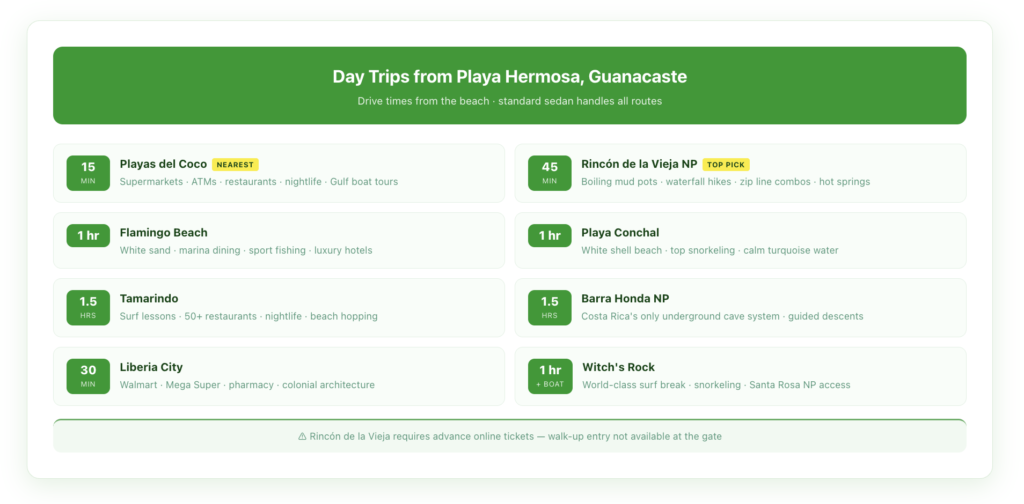
What Else Can You Do at and Around Playa Cocles?
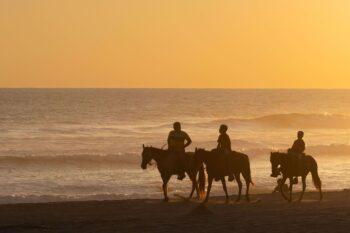
The beach itself offers more than just surfing and sunbathing. Beach volleyball happens regularly, especially on weekends when Cocles fills up. Horseback riding with local guides covers both the beach and trails into the surrounding jungle. Costa Rica’s wildlife viewing is excellent here, with toucans, sloths, and howler monkeys common sightings.
Just down the road, the Jaguar Rescue Center at Playa Chiquita is one of Costa Rica’s best wildlife rehabilitation facilities. The Jaguar Rescue Center’s official site explains the full scope of their work: they rescue around 500–700 animals per year and return rehabilitated patients to the wild. Tours end by early afternoon, leaving plenty of time for the beach.
Beach hopping is genuinely excellent in this corridor. Within about 8 miles (13 km) south of Cocles, you pass Playa Chiquita, Punta Uva, and eventually Manzanillo, which each have a distinct character. This is one of the strongest arguments for having a rental car rather than relying on bikes: the bike ride to Manzanillo is long, and having wheels means you can beach-hop efficiently and still make it back before the afternoon rain.
The Caribbean coast food scene around Cocles is also genuinely good, with rice and beans cooked in coconut milk, jerk seasonings, fresh seafood, and Caribbean-style patties you won’t find on the Pacific side. Cahuita National Park sits about 8 miles (13 km) north and makes an easy half-day add-on: 5 miles (8 km) of coastal jungle trail, the largest coral reef on Costa Rica’s Caribbean coast, and some of the most reliable sloth sightings in the country. The community-run Kelly Creek entrance operates on donations, whereas the Puerto Vargas entrance is managed by SINAC and an entrance fee is charged.
How Does Playa Cocles Compare to Other Caribbean Beaches?
Playa Cocles occupies a specific niche in the Caribbean coast beach lineup that’s worth understanding before you decide where to base yourself:
Playa Negra (Puerto Viejo town): Convenient and social with beach bars, but rougher and darker sand. It’s better for cocktails than swimming or surfing.
Playa Cocles: The area’s main surf beach with lifeguards, consistent breaks, and the right vibe for intermediate surfers and beach-loving travelers.
Playa Chiquita: Quieter and more tranquil, with calmer water during low tide. It’s better for swimming than Cocles if you’re not surfing.
Punta Uva: The postcard beach with white sand, crystal-clear water, and natural rock pools. It’s the most beautiful along the coast and best for swimming. Lonely Planet lists it among the finest Caribbean beaches in Central America.
Manzanillo: Wild, long, and nearly deserted. Inside the Gandoca-Manzanillo National Wildlife Refuge, it draws hikers and travelers who want beaches without the crowds.
The smart move is to use Cocles as your base and day-trip to the others. Whether you’re on a 1-week itinerary or a 2-week trip, the South Caribbean coast is best explored with your own wheels. Santa Teresa and Montezuma on the Nicoya Peninsula offer a Pacific-side comparison if you want to weigh up both coasts for your itinerary.
When Is the Best Time to Visit Playa Cocles?
The Caribbean coast’s weather calendar runs backward from the rest of Costa Rica, which catches a lot of first-time visitors off guard. Here’s how to actually plan it:
September and October are the driest, sunniest months on the Caribbean coast, almost paradoxically, since this is peak rainy season on the Pacific side. If you’re combining a trip with both coasts, routing the Caribbean for September-October is savvy planning.
January through March brings the best surf conditions, with consistent northeast swells and offshore winds. Average daytime temperatures sit in the low-to-mid 80s°F (27–29°C) year-round, with nights around 71°F (22°C). For regional climate data, the ICT Costa Rica tourism authority publishes monthly breakdowns by region.
June and November are typically the wettest months. While it’snot impossible to visit, expect more rain than usual.
The Caribbean doesn’t have a true “dry season” the way Guanacaste does, December through April. Rain can happen year-round, but what you’re adjusting for is the wave quality and the relative likelihood of sunny beach days, rather than avoiding rain entirely.
For peak surf from January through March, book accommodations well in advance. For quieter, sunny beach days, September-October in the Caribbean delivers excellent value with fewer tourists.
Where Do You Stay Near Playa Cocles?
Accommodation options at and near Cocles span budget to boutique with surf camps, eco-bungalows, hostels, and small resorts, all spread along the beach road between Puerto Viejo town and Punta Uva. Most properties are small, locally-owned, and surrounded by jungle. Staying along the Cocles beach road gives you direct beach access while keeping Puerto Viejo’s restaurants and nightlife a short bike or drive away.
If you’re doing Costa Rica on a budget, the hostel and guesthouse options at Cocles are among the Caribbean coast’s better-value spots because you’re not paying for tourist-town markup.
For those who want a bit more polish, Puerto Viejo town is genuinely walkable for restaurants and services. Most travelers find that the beach road location gives them the best of both worlds. The Caribbean coast accommodation landscape has strong options at multiple price points.
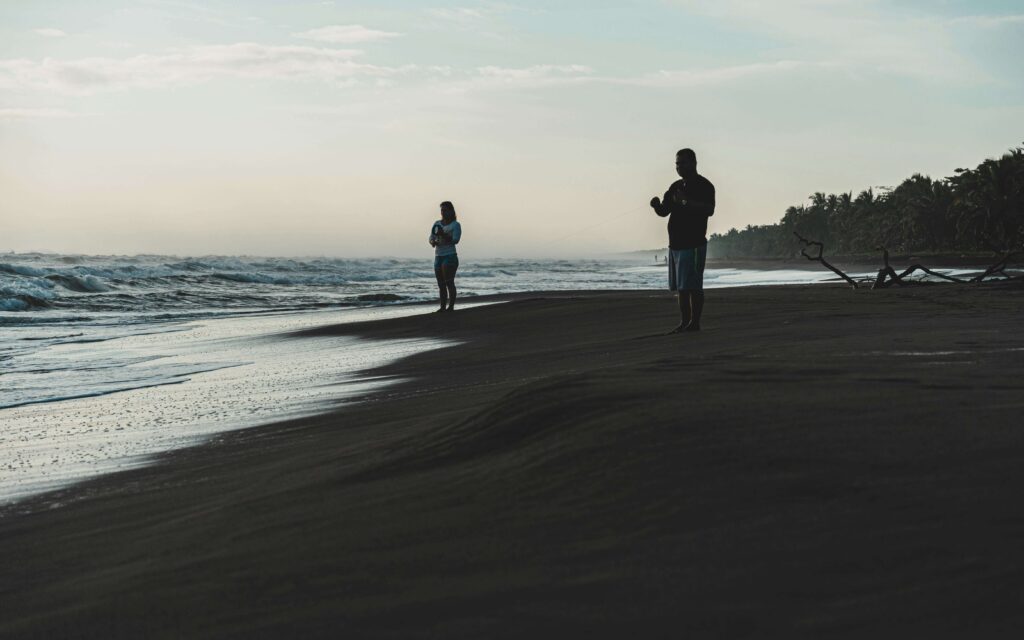
Getting to Playa Cocles: Driving From San José
The most common route is San José to the Caribbean coast via Highway 32 through Braulio Carrillo National Park — a stunning mountain drive that descends into lowland Caribbean rainforest. It’s about 4–4.5 hours in good conditions.
From San José, take Highway 32 east toward Limón. Once you reach the coast, continue south on Route 36 through Cahuita and on to Puerto Viejo. Playa Cocles is 1.5 miles (2.4 km) past Puerto Viejo’s center, and you’ll see the beach road on your left.
A few driving notes: fill your tank before leaving San José or in Limón, as gas stations thin out on the Caribbean coast. Download offline maps before you go because cell coverage drops in the mountains.
The road to Cocles itself is fully paved and flat, so no 4×4 is required. Compare this to Monteverde’s rough access road or Santa Teresa’s ferry-plus-rough-road approach, and Cocles is genuinely easy to reach. The must-see birds of Costa Rica’s Caribbean lowlands, such as toucans, Great Green Macaws, and Caribbean-specific species, make it worth slowing down.
If you need a rental car sorted for the trip, contact Vamos to discuss pickup options from San José Airport. You can drive the Caribbean coast and return to San José for your departure without backtracking if you loop the itinerary correctly.
Frequently Asked Questions
Is Playa Cocles dangerous?
The beach has some of the most powerful riptides recorded on any beach in Costa Rica. However, it’s one of the only Caribbean coast beaches with an active lifeguard program operating roughly 8 AM to 5 PM. Stay within areas marked safe by the flags, swim close to the lifeguard station, and respect the ocean’s power. The beach is safe for surfing and sunbathing year-round.
Can you swim at Playa Cocles?
Swimming is possible, but this isn’t a casual swim beach. Strong currents mean you need to pay close attention to the lifeguard flag positions, swim only in designated areas, and stay in shallower water. If you’re looking for the most swim-friendly Caribbean beach nearby, Punta Uva, about 5 miles (8 km) south, offers significantly calmer conditions.
What is Playa Cocles known for?
Primarily surfing. The beach has one of the Caribbean coast’s most consistent surf breaks, attracts riders from across the country, and is home to several surf schools and camps. It’s also known for its Afro-Caribbean cultural atmosphere, Blue Flag cleanliness designation, and as the most developed beach in the Puerto Viejo corridor.
Are there sloths at Playa Cocles?
You might spot sloths in the trees along the beach road and in the vegetation near the beach, but your best dedicated sloth experience nearby is the Jaguar Rescue Center at Playa Chiquita, about 1 mile (1.5 km) south, or Cahuita National Park, about 8 miles (13 km) north. The whole Caribbean coast corridor is excellent for wildlife, and toucans, howler monkeys, and poison dart frogs are all common sightings around Cocles.
What is the closest airport to Playa Cocles?
Juan Santamaría International Airport (SJO) in San José is the main entry point — about 4–4.5 hours by car. Limón International Airport (LIO) is about 45 miles (72 km) north, roughly 1 hour away, though international service is extremely limited. For most travelers, flying into San José and driving is the practical approach.
Is Playa Cocles crowded?
Weekends and the January–March surf season bring the biggest crowds. The south end of the beach, near the Cocles River, consistently sees fewer people than the central and north sections. Visiting mid-week or heading further south to Punta Uva or Manzanillo will give you more opportunity to have the beach to yourself.
What is the Caribbean coast weather like at Playa Cocles?
Unlike the Pacific coast, the Caribbean doesn’t follow a strict dry/wet season, and rain can happen year-round. Temperatures stay consistently in the low-to-mid 80s°F (27–29°C) during the day and drop to the low 70s°F (22°C) at night. September and October tend to be the driest and sunniest months, which is the flip side of peak rainy season on the Pacific coast. June and November typically see the most rain.