
Last Updated on July 31, 2026
Playa Flamingo Snorkeling: What's Covered
Playa Flamingo offers some of Guanacaste’s best snorkeling, an hour from Liberia Airport on the Gold Coast. Private half-day tours start around $500 for up to four people, gear included, and dry-season visibility often hits 30–50 feet. A rental car at the marina lets you explore the coast afterward.
Quick Facts:
- Private half-day tours ~$500 (up to 4); full-day ~$870
- Morning tours win for visibility; the Flamingo Marina is the departure point
- Best clarity December–April; manta rays at the Catalinas January–March
- Reef fish, white-tip sharks, and sea turtles show year-round
- An easy paved hour from Liberia versus San José, no 4×4 needed
Top 3 Options:
- Half-day morning – Calmest seas, clearest water, 2–3 beaches
- Catalina Islands – 50 ft+ visibility and the famous manta rays
- Playa Conchal – Casual shore snorkeling 15 minutes south
Base yourself here to reach Tamarindo and Potrero too. If you need any help with a Costa Rica car rental, contact us now!
Playa Flamingo offers some of the best snorkeling in Guanacaste’s Gold Coast, with crystal-clear waters, hidden beaches, and underwater encounters. This crescent-shaped beach on Costa Rica’s northern Pacific coast is just an hour from Liberia Airport, which makes it an easily accessible base for ocean adventures. Whether you’re planning a private boat tour with your family or want to explore the famous Catalina Islands nearby, the Flamingo area delivers exceptional underwater visibility and marine life that rivals more remote destinations.
The real magic happens when you book a private snorkeling tour. You’ll visit secluded beaches like Playa Guacamaya and Playa Amor, swim alongside tropical fish and harmless jellyfish, and spend the day at your own pace on the warm Pacific waters. Tours typically run half-day or full-day options, and having a rental car waiting at the marina means you can explore even more of this stunning coastline afterward.
Key Takeaways
- Private snorkeling tours from Flamingo visit 2-3 remote beaches with stops lasting as long as you want.
- Best snorkeling visibility occurs during morning tours, especially from December through April.
- Half-day tours start around $500 total for groups up to 4 people, including gear and snacks.
- The Catalina Islands (30 minutes by boat) offer some of Costa Rica’s best underwater encounters, including manta rays.
- A rental car gives you the flexibility to explore nearby beaches like Conchal, Potrero, and Brasilito after your tour.
- Tours include snorkel equipment, bilingual guides, and light refreshments.
Why Should You Choose Playa Flamingo for Snorkeling?
Flamingo Beach sits in a prime position along Costa Rica’s Pacific coast, where several factors combine to create ideal snorkeling conditions. The bay faces west and is protected from the strongest currents that affect more exposed beaches. Water clarity here often reaches 30-50 feet of visibility during the dry season, which allows you to easily see fish, rays, and sea turtles.
The newly reopened Flamingo Marina serves as the departure point for most snorkeling excursions, and offers convenient access to boats and tour operators. Unlike destinations that require lengthy drives on unpaved roads, Flamingo connects to Liberia via well-maintained highways that any vehicle can handle.
Private tour operators know the best snorkeling spots for any given day. Conditions change based on tides, weather, and recent rainfall, so experienced captains adjust their routes accordingly. You might snorkel off rocky points near Playa Zapotal one day and find completely different conditions call for a trip to Playa Guacamayita the next. This local knowledge makes private tours significantly better than trying to snorkel directly from the beach.
What Marine Life Will You See?
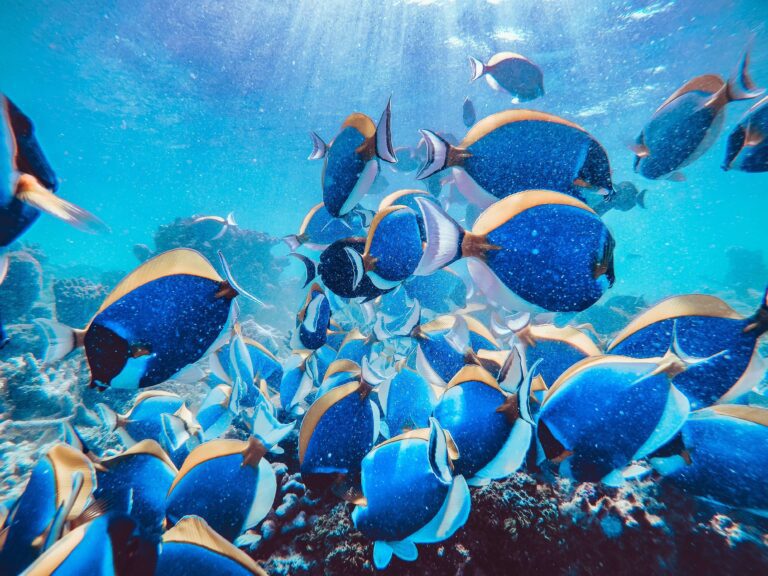
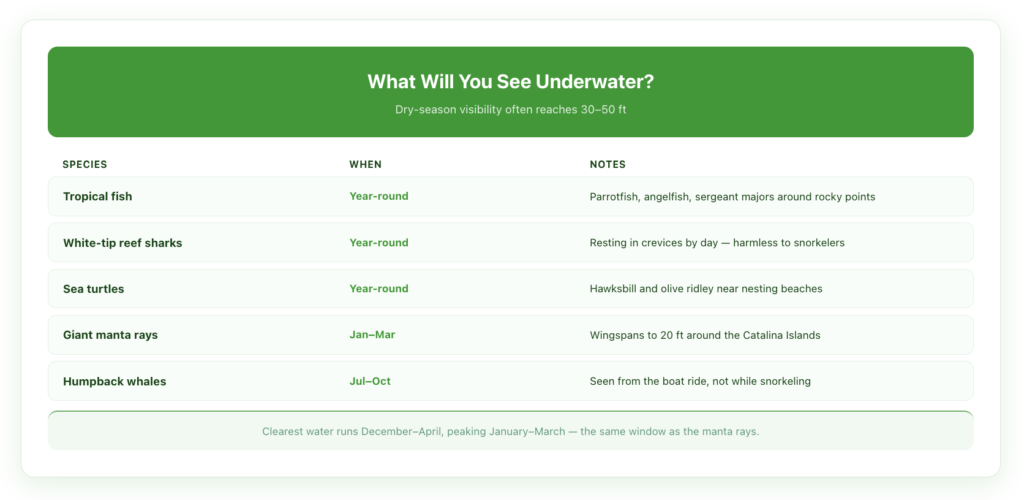
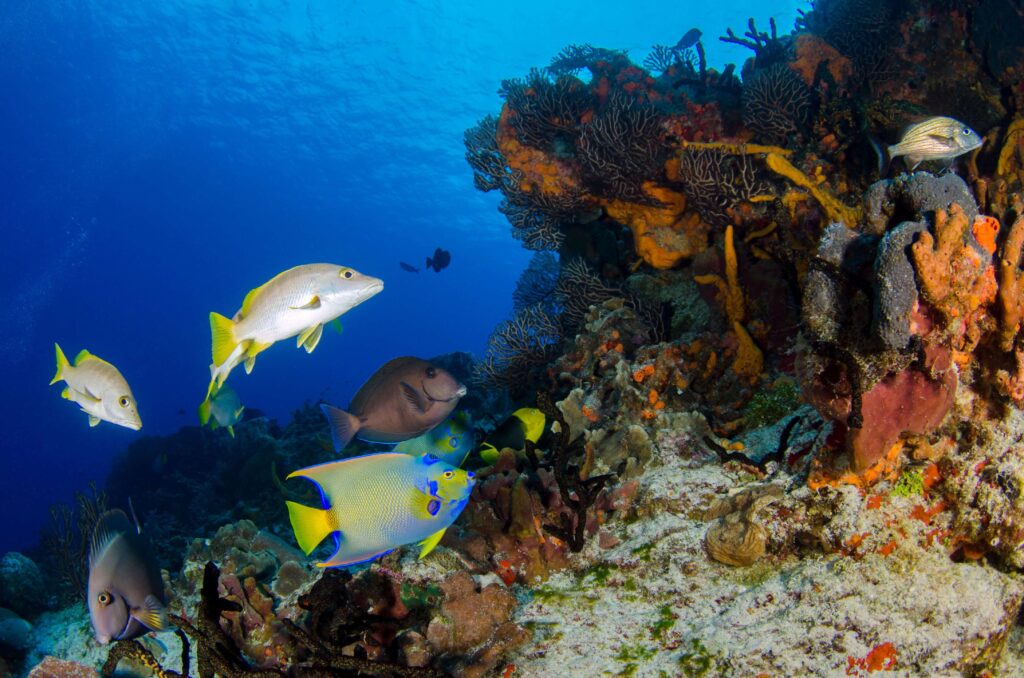
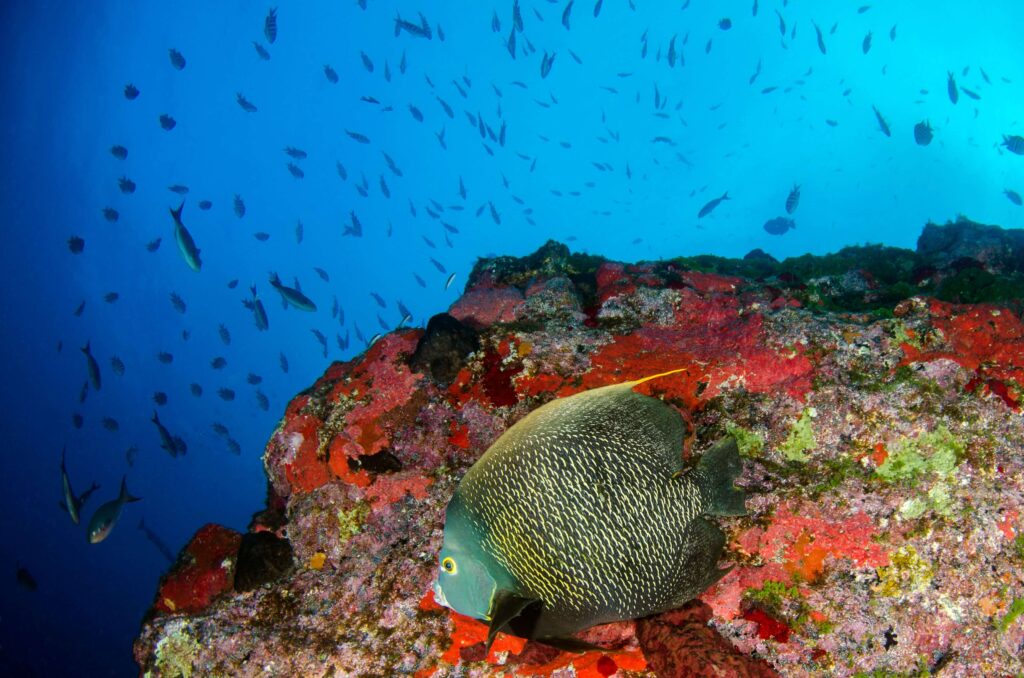
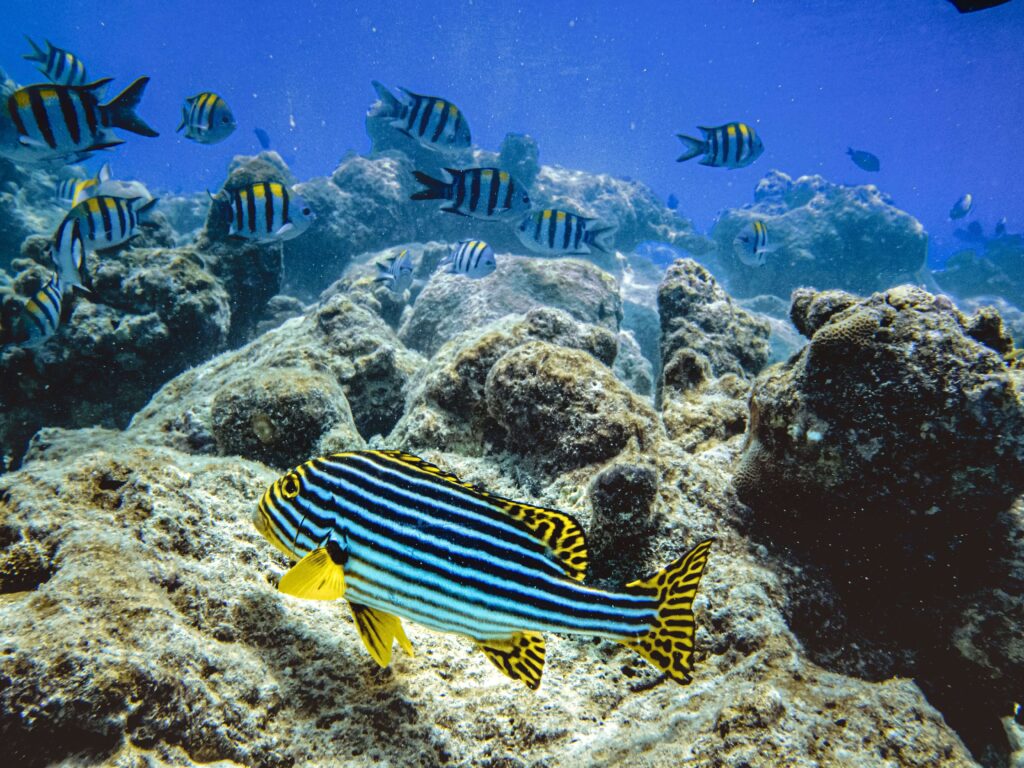
The waters around Flamingo host an impressive variety of underwater creatures. During a typical snorkeling session, expect to spot colorful tropical fish, including parrotfish, angelfish, and sergeant majors, swimming around rocky formations. White-tip reef sharks often rest in crevices during the day, and while they look intimidating, they’re harmless to snorkelers.
Sea turtles are regular visitors to these waters, especially hawksbill and olive ridley turtles that nest along nearby beaches. Spotted eagle rays glide gracefully along the sandy bottom, and if you’re lucky, you might encounter a harmless jellyfish bloom that creates an ethereal underwater experience.
The real showstoppers arrive during specific seasons. From January through March, giant manta rays with wingspans up to 20 feet frequent the Catalina Islands, which makes snorkeling trips from Flamingo particularly rewarding during these months. Humpback whales pass through from July to October, and while you won’t snorkel with them, seeing these magnificent creatures breach during your boat ride adds another layer of magic to the experience.
What Does a Private Snorkeling Tour Include?
Half-Day Morning Tours
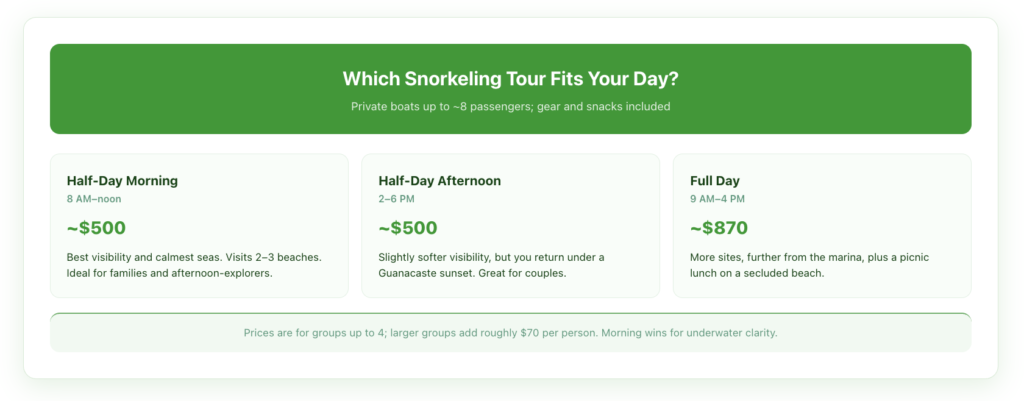
Morning half-day snorkeling tours typically run from 8 AM to noon, to hit the water when conditions are calmest and visibility is best. These tours work perfectly for families with younger children who might not last a full day on the boat, or travelers who want to explore other attractions in the afternoon.
A typical morning tour visits 2-3 beaches, spending time at each location based on what your group wants to do. You might snorkel off rocky points for 45 minutes, walk along a secluded beach, then move to another spot for more underwater exploration. Tours include all snorkel equipment (masks, fins, and snorkels), drinking water, iced tea, fresh fruit, and homemade snacks like corn salad with chips and banana bread.
Most operators include stand-up paddleboards and fishing rods at no extra charge, letting you customize your experience. Want to try catching some fish between snorkel sessions? The gear is there. Prefer to paddle around a quiet cove? Boards are ready to go. This flexibility makes private tours significantly more valuable than group excursions, where everyone follows the same rigid schedule.
Expect to pay around $500 total for groups up to 4 people, with additional charges of approximately $70 per person for larger groups. Boats typically accommodate up to 8 passengers, which makes this trip an excellent option for families or friends traveling together.
Half-Day Afternoon Tours
Afternoon tours (2 PM to 6 PM) offer a different experience. While morning trips prioritize snorkeling visibility, afternoon excursions include the bonus of spectacular Guanacaste sunsets on your return trip. The light quality for photography improves dramatically as the sun drops toward the horizon, and it paints the sky in oranges and pinks that reflect off the calm evening water.
Snorkeling conditions can be slightly less optimal in the afternoon, particularly during the green season when afternoon rains stir up sediment. However, the trade-off of experiencing a Pacific sunset from the water makes this option appealing for couples and anyone who values ambiance alongside underwater adventure.
Afternoon tours include similar amenities to morning trips: snorkel gear, paddleboards, fishing equipment, and refreshments. Pricing remains comparable, and the sunset atmosphere creates a more romantic experience than morning tours.
Full-Day Snorkeling Adventures
For the ultimate Flamingo snorkeling experience, full-day tours run from 9 AM to 4 PM, covering more territory and including a picnic lunch on a secluded beach. These extended excursions allow for deeper exploration, visiting sites further from the marina where fewer boats venture.
The pace feels noticeably more relaxed on full-day tours. You’ll have time to snorkel multiple sites thoroughly, play beach games like frisbee during lunch breaks, and still catch the afternoon light for photography. Many full-day tours include a towing tube for those wanting some high-energy fun between snorkel sessions, although be warned, the driver might give you quite a ride!
Full-day tour pricing runs around $870 for groups up to 4 people, which includes everything from the half-day tours plus a more substantial picnic lunch with items like chicken and fish burritos, pesto pasta salad, and even vegetarian options upon request. The cost per person drops significantly with larger groups, which makes this trip an excellent value for family reunions or groups of friends.
When Is the Best Time to Go Snorkeling in Flamingo?
Seasonal Considerations
Costa Rica’s dry season (December through April) delivers the most consistent snorkeling conditions around Flamingo. Skies stay clear, seas remain calm, and underwater visibility peaks during these months. If seeing the clearest water possible is your priority, plan your trip between January and March.
That said, the green season (May through November) has its advantages. Fewer tourists mean less crowded beaches and lower prices on accommodations. Morning snorkeling conditions often remain excellent even during the rainy season since storms typically develop in the afternoon. The landscape transforms into vibrant green, creating stunning backdrops for your beach photos.
Water temperatures stay warm year-round, typically ranging from 77°F to 84°F. You won’t need a wetsuit for snorkeling in Flamingo, although some people like to use a rash guard for sun protection during longer sessions.
Best Time of Day
Morning snorkeling consistently outperforms afternoon sessions for visibility. The sun sits higher in the sky, penetrating deeper into the water and illuminating fish and coral more effectively. Winds tend to stay calmer before noon, which keeps the surface smooth and reduces the chop that can make snorkeling uncomfortable.
Boat captains who know these waters well recommend departing by 8 AM during any season. This timing allows you to reach prime snorkeling spots before other boats arrive and before afternoon conditions deteriorate. By noon, you’ll have completed your best underwater exploration and can enjoy lunch without feeling rushed.
For photography enthusiasts, the golden hour before sunset provides beautiful lighting for above-water shots. If you’re torn between morning snorkeling quality and afternoon light, consider a morning tour followed by an independent beach visit at sunset.
What Other Snorkeling Spots Are Nearby?
The Catalina Islands
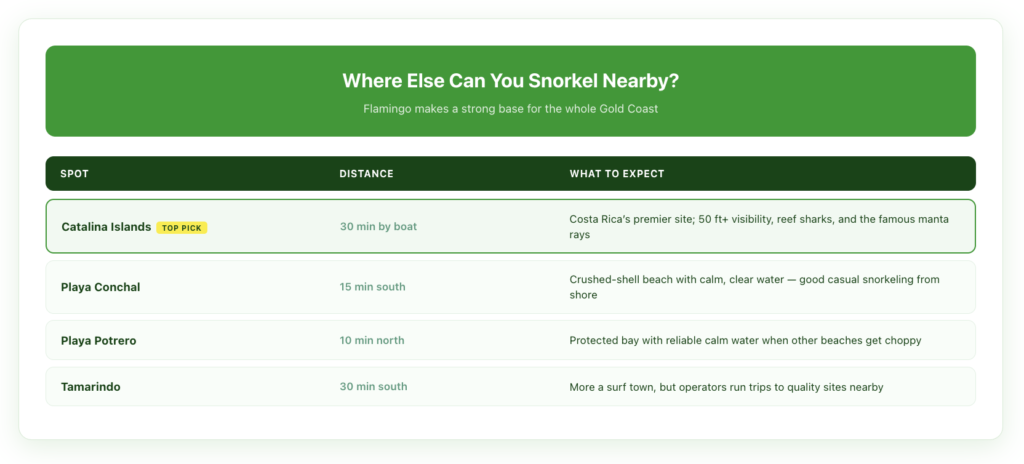
Located about 30 minutes by boat from Flamingo, the Catalina Islands represent some of Costa Rica’s premier snorkeling and diving destinations. This chain of 20 rocky islands creates underwater habitats where marine life congregates in impressive numbers.
Snorkeling tours to the Catalinas visit two different sites, which allow you to experience varied underwater landscapes in a single trip. Water visibility often exceeds 50 feet (15 meters), and the variety of marine species surpasses what you’ll find closer to shore. Expect encounters with white-tip reef sharks, schools of grunts, moray eels, and possibly the famous giant manta rays that made these islands legendary among divers.
Tours to the Catalinas typically cost $95-145 per person and depart from Flamingo Marina or nearby Playas del Coco. The 45-minute boat ride each way adds to the adventure, with dolphins frequently accompanying boats and humpback whales visible during migration seasons.
Nearby Beach Alternatives
Playa Conchal, famous for its crushed seashell beach, is just 15 minutes south of Flamingo. The calm, clear water here makes it one of Guanacaste’s best spots for casual snorkeling directly from shore. You won’t find the same marine diversity as boat-accessed sites, but the convenience and unique shell beach create a worthwhile half-day excursion.
Playa Potrero, about 10 minutes from Flamingo, offers calm swimming waters and a more local atmosphere. Snorkeling conditions vary based on tides and weather, but the protected bay provides reliable calm water when other beaches get choppy.
For those with more time, Tamarindo is about 30 minutes south and serves as another departure point for snorkeling excursions. While the town focuses more on surfing, several operators run trips to quality snorkeling sites along this stretch of coast.
How Do You Get to Playa Flamingo?
From Liberia Airport
The drive from Daniel Oduber Quirós International Airport (LIR) to Flamingo takes about one hour on paved roads. This straightforward route makes Flamingo one of the most accessible snorkeling destinations in Costa Rica because you can literally land in the morning, pick up your rental car, and be on a snorkeling boat by early afternoon.
The route follows Highway 21 south from Liberia, then turns west toward the coast at Belén or Huacas. Navigation is straightforward with GPS, although downloading offline maps before you leave is always smart in Costa Rica. There are several gas stations along the route, and the road conditions accommodate any vehicle type, so no 4×4 required for this trip.
From San José
Traveling from Juan Santamaría Airport (SJO) near San José adds significant drive time but remains doable. Expect 4.5-5 hours behind the wheel as you cross the mountains via the Friendship Bridge over the Tempisque River. This route showcases Costa Rica’s diverse landscapes, from the Central Valley through dry tropical forest to the Pacific coast.
If your itinerary includes both beach time and destinations like Arenal or Monteverde, flying into San José makes sense. Otherwise, the flight time savings and reduced driving make Liberia the obvious choice for a Guanacaste-focused trip.
Why You Want a Rental Car
While shuttles can get you to Flamingo, having your own vehicle transforms your experience. You’ll want to explore nearby beaches like Conchal and Brasilito, grab dinner at restaurants outside walking distance from your hotel, and maybe take a day trip to Rincón de la Vieja National Park for volcano hiking.
A standard vehicle works perfectly for the Flamingo area as the roads are paved and well-maintained. During the dry season, you could even get away with a compact car, although a mid-size SUV provides more comfort and luggage space for beach gear. If you’re planning to explore beyond the immediate area, especially during the green season when some roads get muddy, a 4×4 offers peace of mind.
What Should You Bring on Your Snorkeling Trip?
Essential Items
Tour operators provide snorkel gear, but bringing your own mask guarantees a perfect fit because nothing ruins snorkeling faster than a leaky mask that fills with water every few minutes. If you have prescription lenses, consider investing in a prescription mask or wearing contacts.
Reef-safe sunscreen is absolutely essential. Regular sunscreens contain chemicals that damage coral and marine life, and Costa Rica has begun enforcing restrictions in some areas. Apply generously before boarding the boat, and reapply after each snorkeling session.
A waterproof phone case lets you capture underwater photos without risking your device. Modern waterproof cases work well down to 30-40 feet (9-12 meters), which is more than sufficient for snorkeling depths. Alternatively, consider a GoPro or similar action camera for better underwater video quality.
What to Wear
Most snorkelers wear swimsuits with a rash guard or lightweight long-sleeve shirt for sun protection. The Costa Rican sun intensifies on the water and can result in serious burns even on overcast days. Water shoes help on rocky beaches, although many spots have sandy entry points where you can comfortably go barefoot.
Bring a change of dry clothes for the drive back to your hotel. After several hours in salt water, you’ll appreciate fresh clothes and a towel. Most boats have covered areas for storing belongings, but a dry bag provides extra protection for electronics and valuables.
Optional but Nice to Have
Seasickness medication helps if you’re prone to motion sickness. The boat ride to snorkeling spots can get bouncy, especially during afternoon trips. Taking medication before you feel sick works far better than waiting until you’re already queasy.
An underwater camera mount or tray makes photography easier by stabilizing your shots. Fish don’t pose for pictures, so having steady hands helps capture clear images of marine life.
Frequently Asked Questions
Is Playa Flamingo Good for Snorkeling?
Playa Flamingo ranks among the best snorkeling destinations on Costa Rica’s Pacific coast. The combination of clear water, protected bays, and easy access to offshore sites like the Catalina Islands creates exceptional conditions for underwater exploration. Private boat tours take you to spots inaccessible from shore, where marine life congregates around rocky formations and underwater structures.
Can You Snorkel Directly from Flamingo Beach?
While you can wade into the water at Flamingo Beach with a mask, the best snorkeling requires a boat to reach offshore sites. The beach itself offers calm swimming and beautiful scenery, but underwater visibility and marine life improve dramatically at rocky points and islands accessible only by boat. Save the beach for relaxation and book a tour for serious snorkeling.
What’s the Best Month to Go Snorkeling in Flamingo?
January through March offer peak conditions with calm seas, excellent visibility, and the chance to encounter giant manta rays at the Catalina Islands. December through April provides consistently good conditions throughout the dry season. However, morning tours during the green season (May-November) can still deliver great snorkeling at lower prices with fewer crowds.
How Much Does a Snorkeling Tour from Flamingo Cost?
Half-day private tours run approximately $500 for groups up to 4 people, with additional guests adding roughly $70 per person. Full-day tours cost around $870 for up to 4 people. Group snorkeling trips to the Catalina Islands range from $95-145 per person. Prices include equipment, snacks, and bilingual guides.
Is Flamingo Snorkeling Safe for Kids?
Private snorkeling tours from Flamingo work exceptionally well for families. Children as young as 5-6 can participate with proper supervision, and many tour operators provide flotation devices for nervous swimmers. Private boats allow you to choose calm, shallow spots appropriate for younger snorkelers, and you can return to the boat whenever anyone needs a break.
What Sea Life Will I See Snorkeling Near Flamingo?
Common sightings include tropical fish like parrotfish, angelfish, and sergeant majors. White-tip reef sharks rest in rocky crevices, sea turtles swim through regularly, and spotted eagle rays glide along sandy bottoms. During manta ray season (January-March), trips to the Catalina Islands may include encounters with these magnificent creatures. Humpback whales pass through from July to October, often visible from the boat.