
Last Updated on July 31, 2026
San José Central Market: What's Covered
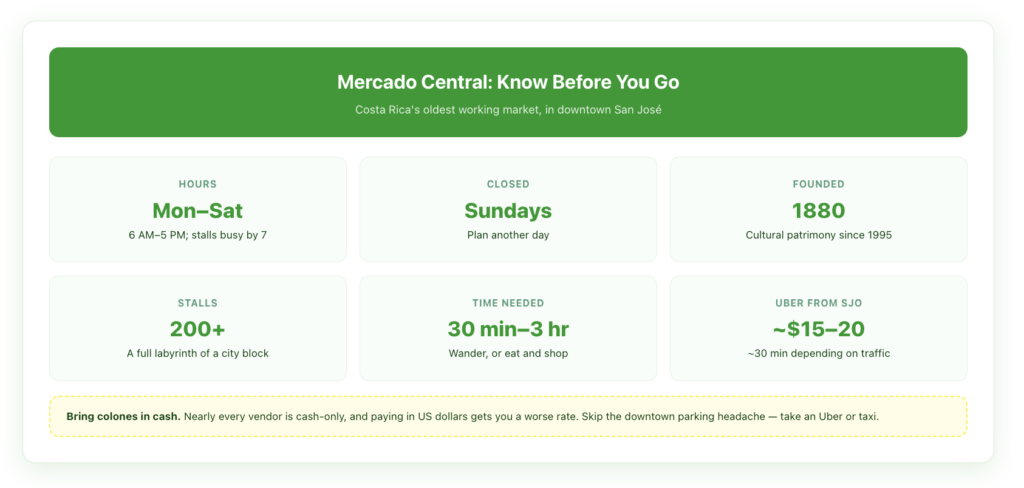
San José’s Mercado Central has run since 1880 — 200+ stalls of $2 breakfasts, coffee, medicinal herbs, and souvenirs in downtown San José. It’s open Monday–Saturday, 6 AM–5 PM, closed Sundays, and it’s cash-in-colones. Skip downtown parking headaches: take an Uber (~$15–20 from the airport) rather than driving in.
Quick Facts:
- 200+ stalls; a cultural patrimony since 1995
- Nearly every vendor is cash-only in colones — find an ATM first
- Plan 30 minutes to wander, or 2–3 hours to eat and shop
- Generally safe in daylight; watch for pickpockets in the crowds
- Pick up your rental car afterward, then hit the road
Top 3 Things to Do:
- Eat at the sodas – Soda Tala’s talapinto, plus 100-year-old “crema” ice cream
- Buy coffee and Lizano – Volcanic-soil beans at prices that beat airport shops
- Browse souvenirs – Wooden crafts and miniature ox-carts, cheaper than beach towns
It’s a perfect morning stop before heading toward Arenal or the Central Valley. If you need any help with a Costa Rica car rental, contact us now!
San Jose’s Mercado Central is Costa Rica’s oldest and most authentic market experience, operating since 1880 in the heart of downtown. This labyrinthine block of over 200 stalls offers everything from $2 breakfasts to handcrafted souvenirs, medicinal herbs, and some of the best local coffee you’ll find anywhere. Unlike tourist-oriented markets in beach towns, the Central Market remains a working marketplace where San Jose residents actually shop, which makes it the perfect spot to experience genuine Costa Rican daily life before heading to your next destination.
Key Takeaways
- The market opens Monday through Saturday from 6 AM to 5 PM (closed Sundays), but most stalls don’t get going until 7 AM.
- Located on Avenida Central in downtown San Jose, about 11 miles from Juan Santamaría International Airport
- Bring Costa Rican colones in cash as nearly all vendors only accept local currency.
- Plan for 30 minutes to wander, or 2-3 hours if you want to eat, shop, and explore thoroughly.
- Skip driving and parking by taking an Uber or taxi directly to the market.
How Do You Get to San Jose Central Market?
Getting to the Central Market is straightforward, although parking isn’t. The market sits on Avenida Central, downtown San Jose’s main pedestrian thoroughfare, which makes it extremely busy and crowded during peak hours.
Your best options for reaching the market are taking a taxi, using Uber, or walking if your hotel is near downtown. If you’re staying near the airport, an Uber to downtown costs around $15-20 and takes about 30 minutes, depending on traffic.
The market doesn’t have its own parking lot, so if you absolutely must drive, look for “Parqueo Publico Avenida” on Waze, which is a paid public lot about a 5-minute walk from the market with parking guards. Expect to pay around 800 CRC per hour (roughly $1.50). However, navigating San Jose’s downtown streets can be stressful for visitors unfamiliar with the area.
If you’re planning to explore the Central Valley before or after your market visit, consider picking up your rental car afterward rather than dealing with downtown parking. The market makes an excellent morning activity before hitting the road toward destinations like Arenal Volcano or Monteverde.
What Should You Eat at the Central Market?
The food stalls, called “sodas,” are the real stars of the Central Market. Here’s where locals actually eat and where you should too.
Why Is Soda Tala Famous?
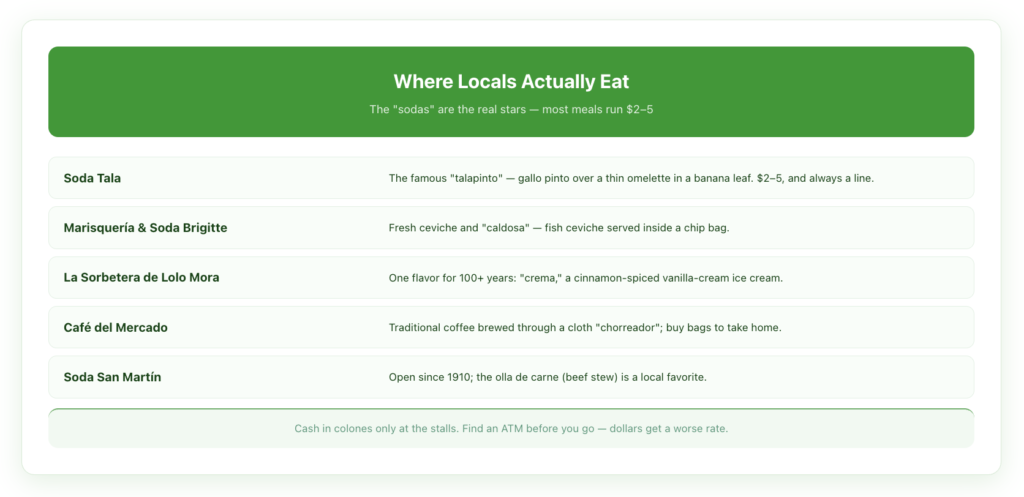
This iconic soda draws the longest lines for good reason. Their signature dish is the “talapinto,” which is gallo pinto (Costa Rica’s traditional rice and beans breakfast) served on top of a thin omelette and wrapped in a banana leaf. Add extras like fried plantains, cheese, or meat for a massive meal that costs between $2 and $5. There’s always a line, so expect a short wait during busy morning hours.
What’s Special About Marisqueria and Soda Brigitte?
For seafood lovers, this stall serves excellent ceviche and a local specialty called “caldosa,” which is a fish ceviche served inside a chip bag. The seafood is fresh, and the preparations showcase Costa Rica’s coastal cuisine influences.
Where Can You Find 100-Year-Old Ice Cream?
La Sorbetera de Lolo Mora has been selling just one ice cream flavor since opening over a century ago. The “crema” flavor is a vanilla-cream base enhanced with cinnamon and various spices, which is simple, traditional, and absolutely delicious. It’s the perfect way to cool down after navigating the warm market aisles.
Other spots worth trying include:
- El Mercado de las Frutas – Fresh fruit smoothies made to order
- Café del Mercado – Traditional Costa Rican coffee brewed through a cloth “chorreador” filter; you can also buy bags to take home
- Soda Puntarenas – Try their empanadas and sweet treats like arroz con leche
- Soda San Martín – Operating since 1910, their olla de carne (beef stew) is a local favorite.
When paying at market stalls, remember that most accept only cash in colones. Paying in US dollars typically gets you a worse exchange rate, so find an ATM before your visit.
What Can You Buy at the Central Market?
Beyond food, the market offers an impressive variety of goods that give you insight into everyday Costa Rican life.
What Kind of Produce and Local Products Are Available?
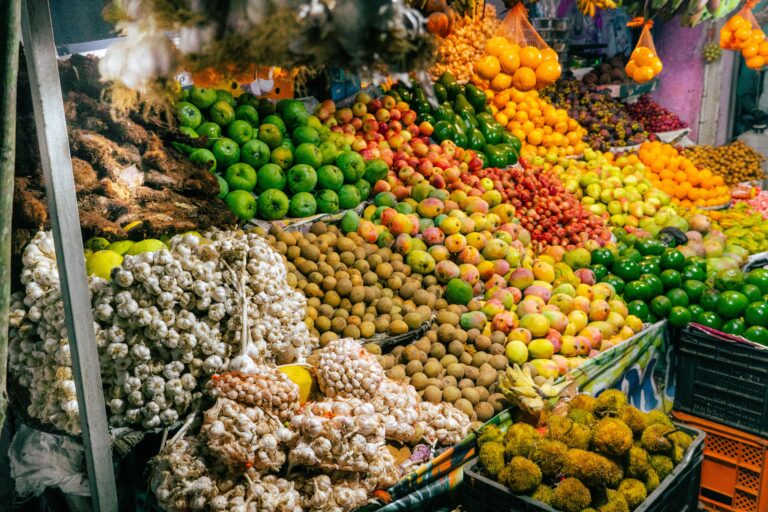
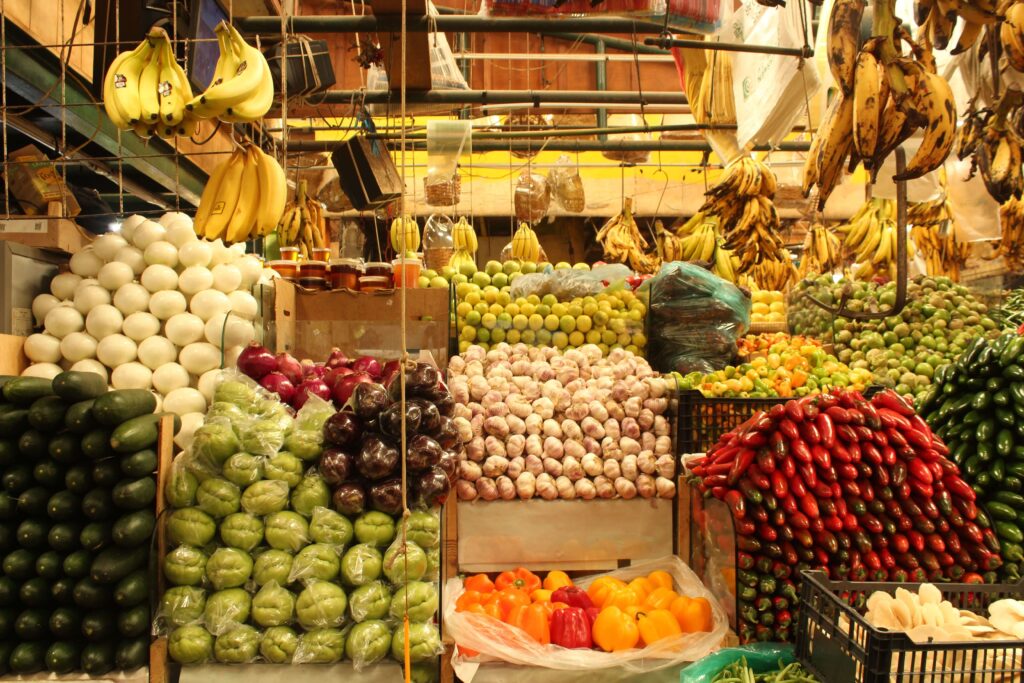
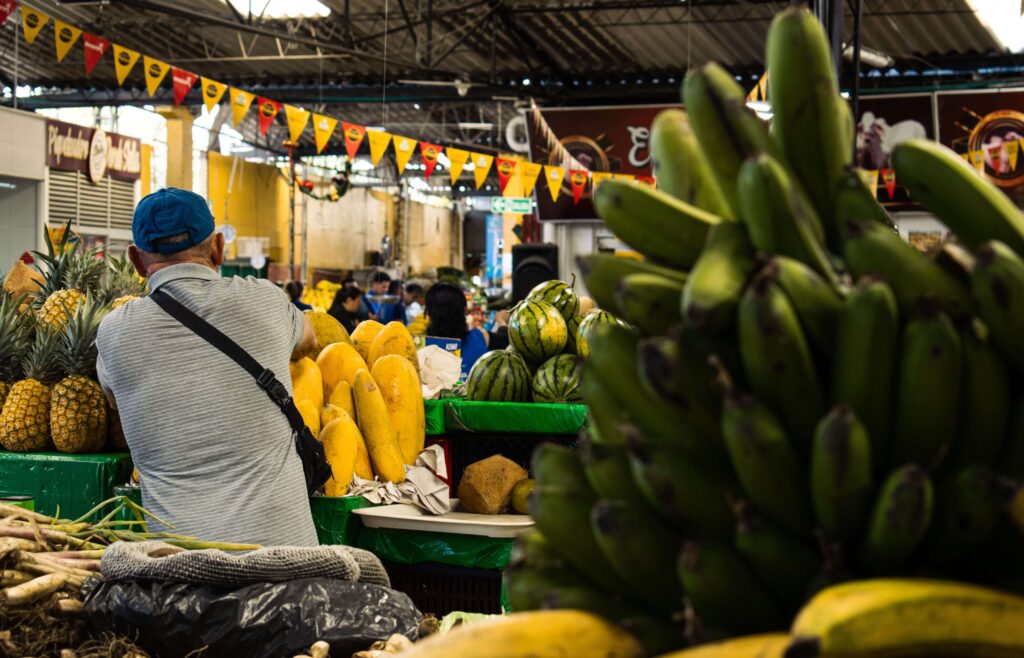
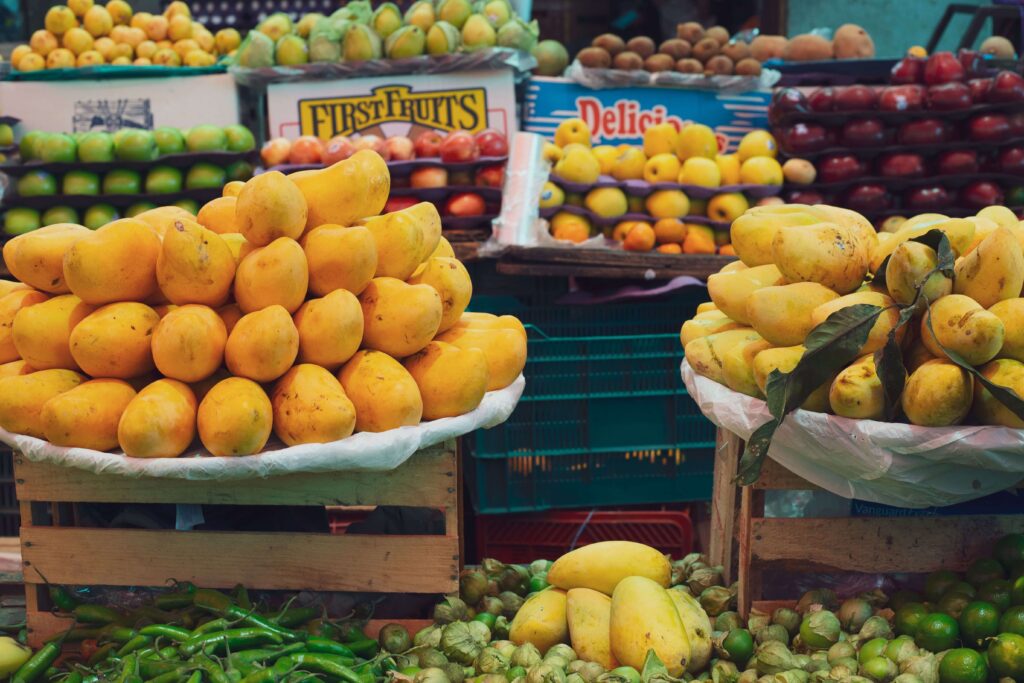
The market’s produce section features tropical fruits you might not recognize, from rambutan and granadilla to cas (used in popular fresh drinks). You’ll also find:
- Fresh meats and seafood
- Spices and dried herbs
- Traditional medicinal plants (local remedies for everything from stomach issues to nerves)
- Fresh flowers
- Local honey and preserves
- Costa Rican coffee beans at prices better than those in tourist shops
The variety of tropical fruits available reflects Costa Rica’s incredible agricultural diversity, and vendors are typically happy to let you sample before buying.
Are There Good Souvenirs at the Central Market?
The market has several stalls selling Costa Rican souvenirs, including:
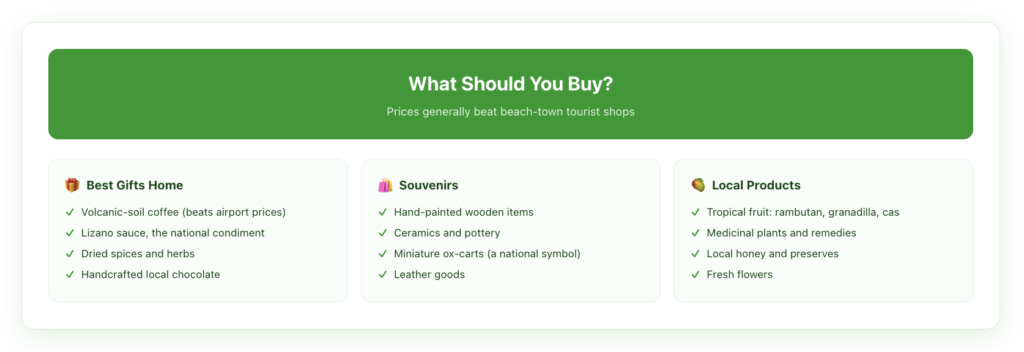
- Hand-painted wooden items
- Ceramic pieces and pottery
- T-shirts and sweatshirts
- Mugs and cups
- Traditional leather goods
- Miniature ox-carts (a national symbol)
Prices are generally better than what you’ll find in beach-town tourist shops. Polite bargaining can sometimes lower prices by 25-30%, although haggling is not as expected here as in some other Latin American markets.
For a more extensive selection of handicrafts, the Mercado Artesanal (Artisan Market) is about a 10-minute walk down Avenida Central. Many visitors combine both markets in a single morning.
What Unique Items Make Good Gifts?
Some market items make particularly good gifts for folks back home:
- Coffee – Costa Rican coffee from volcanic soil is world-renowned; market prices beat airport shops significantly
- Lizano Sauce – This quintessential Costa Rican condiment is practically a national treasure
- Dried spices and herbs – Much cheaper than specialty stores back home
- Handcrafted chocolates – Some vendors sell locally-made treats
Is It Safe to Visit the Central Market?
The Central Market is generally safe during daylight hours when the market is open and crowded with locals. However, it’s a busy urban market, so standard precautions apply.
Keep valuables secure and out of sight. Pickpockets operate in crowded areas, so use a money belt or keep your wallet in a front pocket. Don’t flash expensive cameras or phones unnecessarily.
Walking around downtown San Jose during the day is generally fine, especially along Avenida Central, where there’s constant foot traffic. However, if you’re leaving after dark (unlikely given market hours), take an Uber or taxi back to your hotel rather than walking. Remember that sunset in Costa Rica is around 6 PM year-round.
Should You Take a Guided Tour or Visit Independently?
Both options work well depending on your travel style.
What Are the Benefits of a Guided Tour?
San Jose city tours that include the Central Market offer a historical and cultural context you won’t get wandering on your own. Guides take you to specific stalls to sample local specialties and explain what you’re eating. They’ll also share stories about the market’s significance in Costa Rican culture, as it was declared a cultural patrimony in 1995.
Tours typically last 2-3 hours and combine the market with other downtown attractions like the National Theater and museums. If you’re short on time or prefer structured experiences, a tour maximizes what you learn and taste.
Can You Explore the Market on Your Own?
Absolutely. The market is easy to navigate independently, and vendors aren’t pushy. Most signs are in Spanish only, but Google Translate on your phone helps with menus and product descriptions.
Going solo gives you freedom to linger at stalls that interest you and skip what doesn’t. You can eat breakfast at your own pace, browse souvenirs without feeling rushed, and discover your own favorite spots.
The main trade-off is context because you’ll miss the historical details and cultural explanations that guides provide. But if you’re a confident traveler who enjoys figuring things out, independent exploration works perfectly fine.
How Can You Combine the Central Market with Other San Jose Attractions?
If you have a full day in San Jose, the Central Market anchors a perfect walking itinerary through downtown’s cultural highlights.
What Does a Good One-Day San Jose Itinerary Look Like?
Here’s a practical day plan that doesn’t require a car:
9:00 AM – Arrive at the Central Market. Have breakfast at Soda Tala (arrive hungry because the portions are huge).
10:00 AM – Explore the market stalls, grab coffee or ice cream, and pick up any souvenirs that catch your eye.
11:00 AM – Walk to the National Theater (Teatro Nacional), about 10-15 minutes from the market. This stunning 1897 building is considered San Jose’s most beautiful landmark. Guided tours run hourly and cost around $10.
12:30 PM – Grab lunch at one of downtown’s restaurants or try the café inside the National Theater.
2:00 PM – Visit either the Pre-Columbian Gold Museum or the Jade Museum. The Gold Museum sits beneath Plaza de la Cultura and houses thousands of artifacts dating back to 500 BC. The Jade Museum displays the world’s largest collection of American jade across five floors. Both museums offer excellent insight into Costa Rica’s pre-Colombian civilizations.
4:30 PM – If you still have energy, consider visiting Parque La Sabana, San Jose’s largest urban park. It’s perfect for a relaxed walk among local families.
Evening – Head to Barrio Escalante, a trendy neighborhood with excellent restaurants representing cuisines from all over the world. Take an Uber as it’s about 10 minutes from downtown.
What Nearby Attractions Complement a Market Visit?
Within walking distance of the Central Market, you’ll find:
- Plaza de la Cultura – The main downtown plaza with street performers and people-watching
- Metropolitan Cathedral – The city’s main church, which is worth a quick look inside
- National Museum – Housed in the historic Bellavista Fortress with bullet-scarred walls from the 1948 civil war
- Mercado Borbón – Another local market two blocks north, which is focused on produce
What Should You Know Before Your Visit?
What Are the Opening Hours and Best Times to Visit?
The Central Market is open Monday through Saturday from 6 AM to 5 PM. It’s closed on Sundays.
Best time to visit: 8-10 AM on weekdays. Early enough that stalls are fully stocked and vendors are fresh, but late enough that everything is open. You’ll beat the midday rush and have better access to food stalls without waiting.
Avoid: 12 PM to 2 PM if possible, when lunch crowds peak and the narrow aisles become genuinely packed.
What Should You Wear and Bring?
- Comfortable walking shoes (the aisles are narrow and floors can be slippery)
- Cash in colones (most stalls don’t accept cards or dollars)
- A small bag that zips or buttons closed
- Your phone for photos and translation
- A light layer if visiting early morning (San Jose sits at 3,900 feet elevation, and mornings can be cool)
Leave flashy jewelry and expensive watches at your hotel.
How Does the Central Market Fit Into a Broader Costa Rica Trip?
Many travelers pass through San Jose only for airport connections, but spending a morning at the Central Market offers something the beach towns and rainforests can’t, which is a genuine slice of urban Costa Rican culture.
If you’re flying into SJO, consider spending your first night in the San Jose area, hitting the market in the morning, then picking up your rental car and heading toward your first major destination. It’s a great way to ease into the country before tackling mountain roads.
The same logic applies to your last day. Consider returning your car the night before your flight, staying near downtown, and spending a final morning at the market stocking up on coffee and souvenirs before heading to the airport.
For travelers with rental cars exploring the Central Valley, the market pairs well with day trips to Poás Volcano or the coffee farms in the surrounding mountains. Start with breakfast at the market, then spend the afternoon exploring the volcanic highlands.
Frequently Asked Questions
What Is the Famous Market in San Jose, Costa Rica?
The Mercado Central (Central Market) is San Jose’s most famous and largest market, established in 1880. Located on Avenida Central in downtown San Jose, it occupies an entire city block with over 200 stalls selling everything from produce and meats to souvenirs, medicinal herbs, and prepared food. It’s considered a cultural heritage site and remains the primary market where local residents actually shop, which makes it far more authentic than tourist-oriented markets in beach destinations.
What Time Does the Mercado Central Open?
The Central Market opens at 6 AM Monday through Saturday and closes at 5 PM. It’s closed on Sundays. However, many individual stalls don’t open until 7 AM, so arriving right at 6 AM means limited options. For the full experience, aim to arrive between 8 and 10 AM when all stalls are operating, but crowds haven’t peaked.
Where Is San Jose Central Market Located?
The market is located on Avenida Central between 6th and 8th Streets in downtown San Jose, about 820 feet (250 meters) northwest of Parque Central. It’s approximately 11 miles (18 kilometers) from Juan Santamaría International Airport (SJO), which translates to about a 30-minute drive or Uber ride depending on traffic conditions.
Is It Safe to Walk Around Downtown San Jose, Costa Rica?
Downtown San Jose is generally safe during daylight hours, particularly along busy streets like Avenida Central, where the market is located. The area around the National Theater, museums, and main plazas sees constant foot traffic and police presence. Standard urban precautions apply, so keep valuables secure, stay aware of your surroundings, and avoid displaying expensive electronics unnecessarily. After dark (around 6 PM), take Uber or taxis rather than walking, as some side streets become deserted.
What Is San Jose, Costa Rica, Most Famous For?
San Jose serves as Costa Rica’s capital and cultural center, home to the country’s most important museums (Gold Museum, Jade Museum, National Museum), the historic National Theater built in 1897, and cultural institutions that showcase Costa Rica’s indigenous heritage and modern arts scene. The city also functions as the transportation hub for accessing the Central Valley’s coffee farms, volcanic national parks, and cloud forests. While many travelers use it primarily as a transit point, the Central Market, museums, and architecture reward those who dedicate a day to exploration.
What Should I Buy from Costa Rica?
The best purchases from Costa Rica include locally roasted coffee (significantly cheaper at the Central Market than tourist shops), Lizano sauce (the national condiment), handcrafted wooden items and ox-cart miniatures, local chocolate, spices and dried herbs, and leather goods. At the Central Market specifically, look for medicinal herbs, fresh spices, and traditional crafts at prices lower than beach-town souvenir shops. Avoid mass-produced items that could be made anywhere and instead, focus on products that represent genuine Costa Rican culture and craftsmanship.
Is $20 a Lot of Money in Costa Rica?
With $20 (approximately 10,000-11,000 colones at current exchange rates), you can eat multiple meals at the Central Market. A typical breakfast at Soda Tala costs $2-5, ice cream runs about $2, and coffee is just a few dollars. For context, local workers frequently eat lunch at market sodas for under $5. However, tourist-oriented restaurants, activities, and accommodations are priced closer to U.S. levels. The Central Market represents excellent value compared to tourist zones.
What’s the Best Time to Visit the Central Market?
Visit between 8 and 10 AM on weekday mornings for the optimal experience. You’ll find all stalls open, fresh produce at its best, and manageable crowd levels. Avoid the noon-2 PM lunch rush when aisles become packed and wait times at popular food stalls increase. Saturday mornings are busier than weekdays but offer a livelier atmosphere with more locals doing weekly shopping.