

Last Updated on June 26, 2026
Coffee Tourism in Costa Rica: What's Covered
Costa Rica’s coffee tourism spans eight growing regions — most within two hours of San José — where farms offer bean-to-cup tours covering harvest, wet milling, and cupping. Harvest runs from November to March. A rental car opens access to the best farms.
Quick Facts:
- Harvest season: November–March, cherry-picking and wet mills are fully active
- Central Valley farms (Doka Estate, Finca Rosa Blanca) are 40–60 min from San José
- Tarrazú — most acclaimed region — sits 90–120 min from the Central Valley; 4WD helpful in green season
- Tours run 2–3 hours, including a cupping session; cost $20–90 pp
- Costa Rica legally requires 100% Arabica — no Robusta allowed
Top Coffee Tourism Experiences:
- Doka Estate — Historic wet mill since the 1940s, 40 min from San José
- Finca Rosa Blanca — Organic, Rainforest Alliance-certified, award-winning cups
- Aquiares Estate — Costa Rica’s largest farm, pairs with Irazú Volcano day trips
- Café Monteverde — a 21-family cooperative- runs October–March
- North Fields (La Fortuna) — Coffee and cacao tour near Arenal hot springs
Check driving routes before leaving San José — allow extra time for traffic.
If you need any help with a Costa Rica car rental, contact us now!
Costa Rica’s coffee reputation isn’t marketing. It’s the law! Since 1989, the country has prohibited Robusta cultivation entirely, which makes it the only nation in the world committed e to 100% Arabica production by statute. Combined with volcanic soil, eight distinct growing regions, and farms that have been running the same plots for generations, Costa Rica’s coffee culture offers something that tours in most countries can’t: genuine access to the full bean-to-cup process. Most of the premier farms sit within two hours of San José, so a rental car from Vamos turns a morning tour into a proper half-day experience with time left over for a volcano or a market stop on the way back. Coffee tourism pairs especially well with day trips from San José to Poás and Irazú, which are the same volcanic slopes that create ideal growing conditions and provide some of the country’s most dramatic scenery. One practical note: San José traffic can add significant time to your drive during rush hours, so plan to leave for farms before 7 AM or after 9 AM.
Key Takeaways
- Costa Rica is legally required to grow only Arabica coffee, and that single law shapes the quality of every cup you taste on a tour.
- Eight official coffee regions each produce distinct flavor profiles based on elevation, soil, and microclimate; the four most tourist-accessible are Central Valley, West Valley, Tarrazú, and Tres Ríos.
- Harvest season runs from November through March, which is the best time to visit farms when cherry-picking and wet mill processing are both active.
- Most worthwhile tours include a cupping session that teaches you to identify acidity, body, sweetness, and finish. These are skills that permanently change how you drink coffee at home.
- Standard sedan handles Central Valley and West Valley farms, whereas a 4WD is helpful for higher-elevation Tarrazú roads during the green season (May–November).
- Book harvest-season tours at least two weeks ahead, as the best farms fill up fast between December and February.
What Actually Makes Costa Rica Coffee Worth a Dedicated Tour?
The Instituto del Café de Costa Rica (ICAFE) has regulated the industry since 1933 to establish quality standards that most producing countries don’t enforce at a national level. ICAFE also certifies tour operators and processes, so a farm with ICAFE certification is subject to meaningful accountability. When you show up to a Costa Rica plantation tour, you’re not getting a polished marketing experience; you’re walking through the same fields that supply buyers paying premium prices on the specialty market.
The volcanic soil is the foundation of the rich coffee history. More than 60 volcanoes have enriched Costa Rica’s highlands with minerals that nurture coffee plants. The combination of Poás and Irazú volcanic zones surrounding the Central Valley creates conditions that produce consistently high-scoring beans at elevations between 3,937 and 6,234 feet (1,200 and 1,900 meters), with temperature swings between warm days and cool nights. The climate slows the cherry’s development, which concentrates flavor in ways that low-altitude, fast-maturing crops can’t replicate. Understanding Costa Rica’s road network helps you plan a clear itinerary for your trip, including coffee plantations. Most Central Valley farms are an easy paved drive, while higher-elevation Tarrazú routes require more planning.
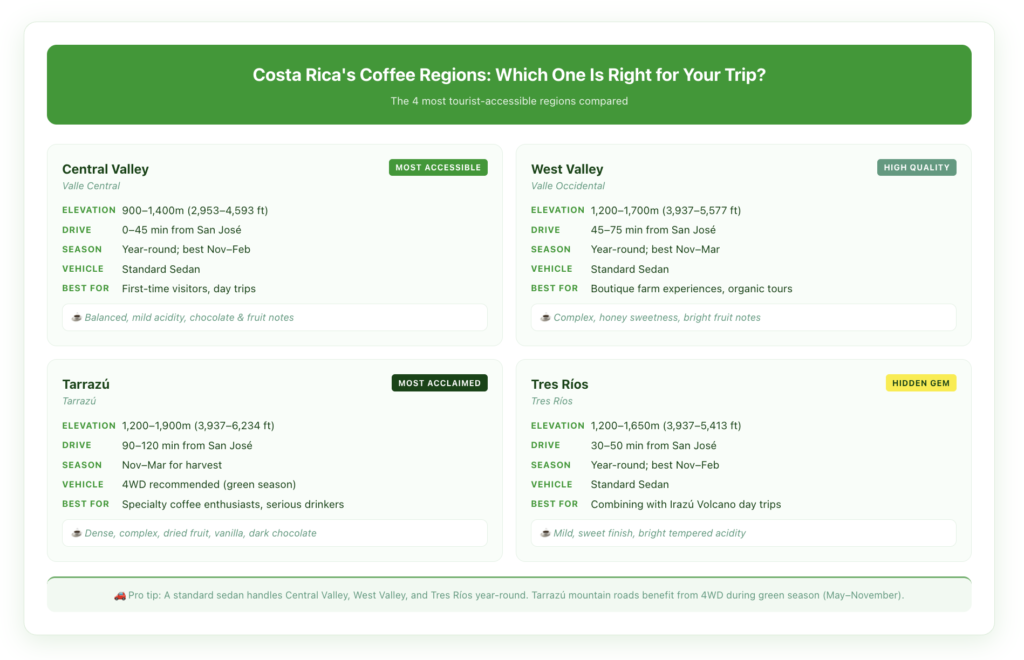
A good coffee tour is separated from a mediocre one by covering the full process: nursery, cultivation, harvest, wet mill processing, drying, dry mill, roasting, and cupping. The best farms walk you through every stage and end with a guided tasting that teaches you to identify the coffee’s origin characteristics. The whole process is worth understanding before you spend money on coffee souvenirs to bring home.
What Are Costa Rica's Eight Coffee Regions, and Which Ones Are Worth Your Drive?
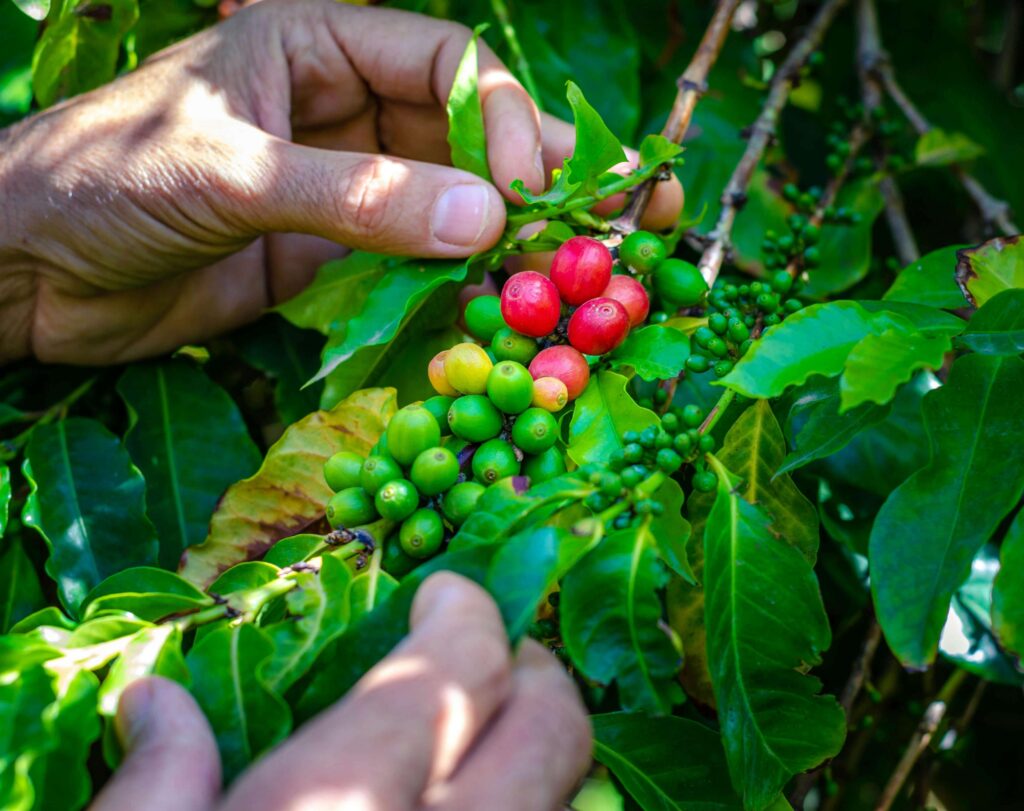
Costa Rica officially recognizes eight distinct coffee-growing regions: Central Valley, West Valley, Tarrazú, Tres Ríos, Orosi, Turrialba, Brunca, and Guanacaste. For most travelers, four of those regions offer the best combination of tour quality, access, and flavor range.
Central Valley (Valle Central) surrounds San José at elevations between 2,953 and 4,593 feet (900 and 1,400 meters). Costa Rica’s coffee industry was born here in the early 1800s, and it’s still the most accessible region for day trips. The flavor profile leans toward balance with a medium body, mild acidity, subtle fruit, and chocolate notes. It’s not the most dramatic cup you’ll taste, but well-suited to the comprehensive tours that have grown here over decades. Doka Estate on the slopes of Poás is the flagship with an operational wet mill that’s been running since the 1940s and still dries coffee on traditional African beds under a 40-year-old facility roof. It’s a natural pairing with a half-day stop at Braulio Carrillo National Park if you want to combine coffee education with primary rainforest hiking.
West Valley (Valle Occidental) centers around the towns of Naranjo, Palmares, and San Ramón, about 45–60 minutes west of San José. Elevations here push higher, between 3,940 and 5,580 feet (1,200 and 1,700 meters), and the flavors reflect it as they’re more complex, with brighter fruit notes and often a distinctive honey sweetness that comes from natural processing methods. This region accounts for nearly a quarter of the total national production. Finca Rosa Blanca operates in Heredia on the edge of the Central and West Valley zones; their certified organic, Rainforest Alliance-verified operation is one of the most educational in the country and won Best Coffee in Central America at the 2023 World Coffee Challenge.
Tarrazú is Costa Rica’s most internationally famous coffee region, sitting in the mountains south of San José at elevations between 3,937 and 6,234 feet (1,200 and 1,900 meters). The beans here are dense, highly acidic, and complex with a dried fruit, vanilla, dark chocolate finish, which is why Tarrazú accounts for roughly 35% of national production and why roasters worldwide pay premium prices for it. The region has transformed from subsistence farming to a global specialty market player, and the human side of that story comes through clearly on farm tours. The drive from San José takes 90 minutes to two hours, depending on your starting point, and the roads into the producing villages require a higher-clearance vehicle during the green season. It’s worth the drive for serious coffee travelers, but less accessible than Central Valley day trips.
Tres Ríos is Costa Rica’s smallest coffee-producing region, just east of San José on the slopes of Irazú Volcano. Despite its size, the cups here are exceptional, with a mild, bright acidity, sweet finish, and some are among the most awarded coffees in the country. The region doesn’t have as many organized farm tours as the Central Valley, but if you’re heading out for a volcano day trip anyway, it’s worth keeping an eye out for small farm signs along the route.
When Is the Best Time to Visit a Costa Rica Coffee Farm?
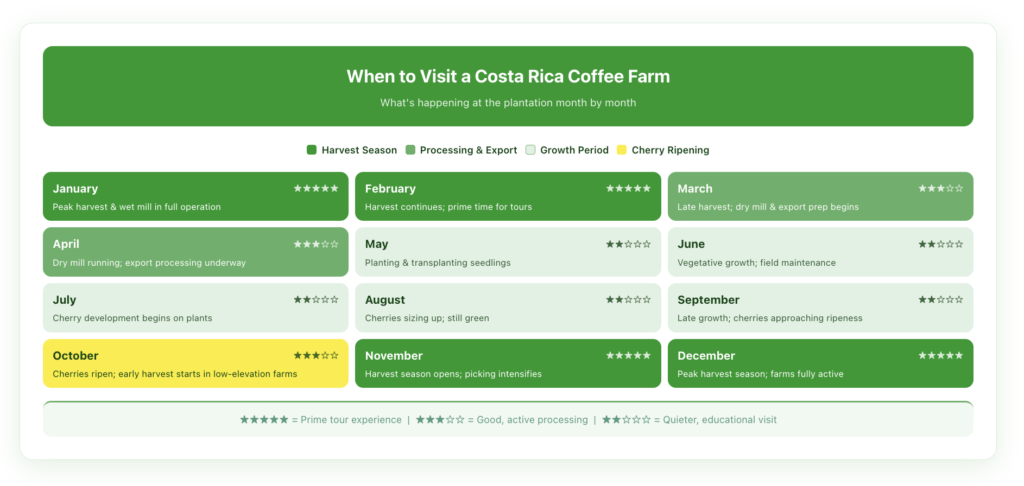
Any month has something to offer on a coffee plantation, but harvest season (November through March) is when you’ll learn the most.
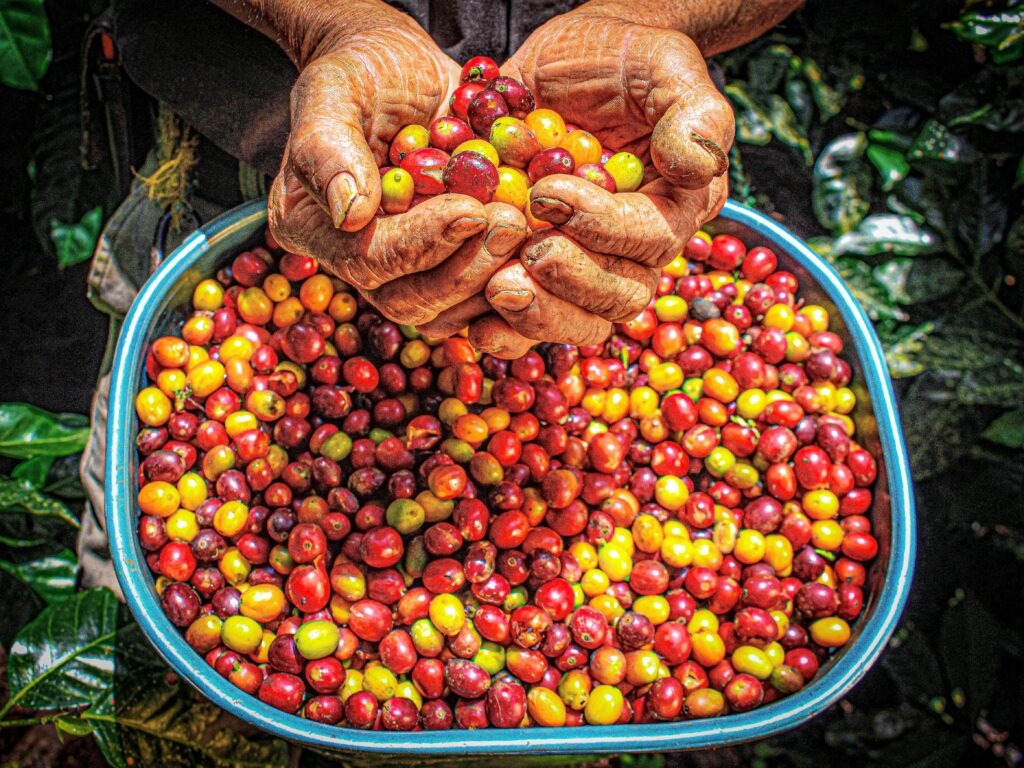
During harvest, farms run at full capacity. Pickers work the hillsides from early morning, selecting only the ripe red cherries by hand. The wet mills run constantly to separate pulp from the green bean, ferment, wash, and lay the parchment coffee on raised drying beds. You can watch the whole chain in motion during a single morning tour. If you’re visiting during Costa Rica’s dry season, December through February, then everything lines up perfectly as you’ll find clear skies, dry roads, and active farms.
Green season visits (May–November) are quieter at the farms. The fields are lush and beautiful, and you can still tour processing facilities and understand the cultivation cycle, but you won’t see cherry-picking or wet milling at capacity. However, there are fewer tourists in green season, which often means smaller tour groups, more access to the farm owners, and lower tour pricing. If you’re on a budget-friendly itinerary, a green season farm tour is still a great way to spend a morning.
One nuance: morning tours are consistently better than afternoon ones because processing mills are most active in the first half of the day. Book the first tour slot you can to see the harvest operations. One of the mistakes first-time visitors often make is to show up at noon, expecting the full harvest experience, only to find that the morning activity has wrapped up.
What Does a Bean-to-Cup Tour Actually Cover?
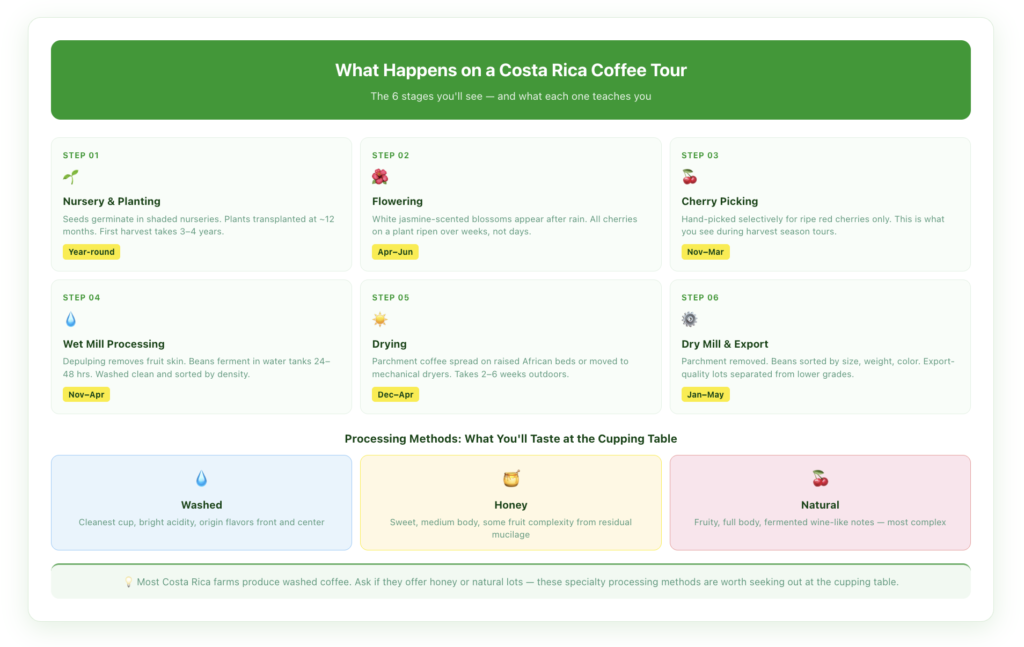
Most good coffee farm tours in Costa Rica follow the same general path, although the depth varies significantly by farm. Here’s what you’ll typically cover:
The nursery and cultivation stage comes first, with rows of seedlings in shade-protected nurseries, and visitors walk through mature plants to see how cherries develop from white flowers to ripe red fruit. Each plant takes about 2–3 years to produce a usable crop, and you’ll understand quickly why single-origin specialty coffee fetches high prices.
Harvest demonstration is the visual centerpiece during the season. Your guide will show you how to identify ripe vs. unripe vs. overripe cherries, why selective picking matters for quality, and why Costa Rican farms largely reject machine harvesting on steep hillsides.
Wet mill processing is where the science gets interesting. Cherries are depulped to remove the fruit skin, the beans ferment in water tanks (breaking down residual fruit mucilage), then are washed, sorted by density, and laid on raised drying beds or moved to mechanical dryers. The Rainforest Alliance certifies many Costa Rican farms on the basis of how well they manage water use during this phase, and good farms recycle and treat their process water rather than discharging it into streams.
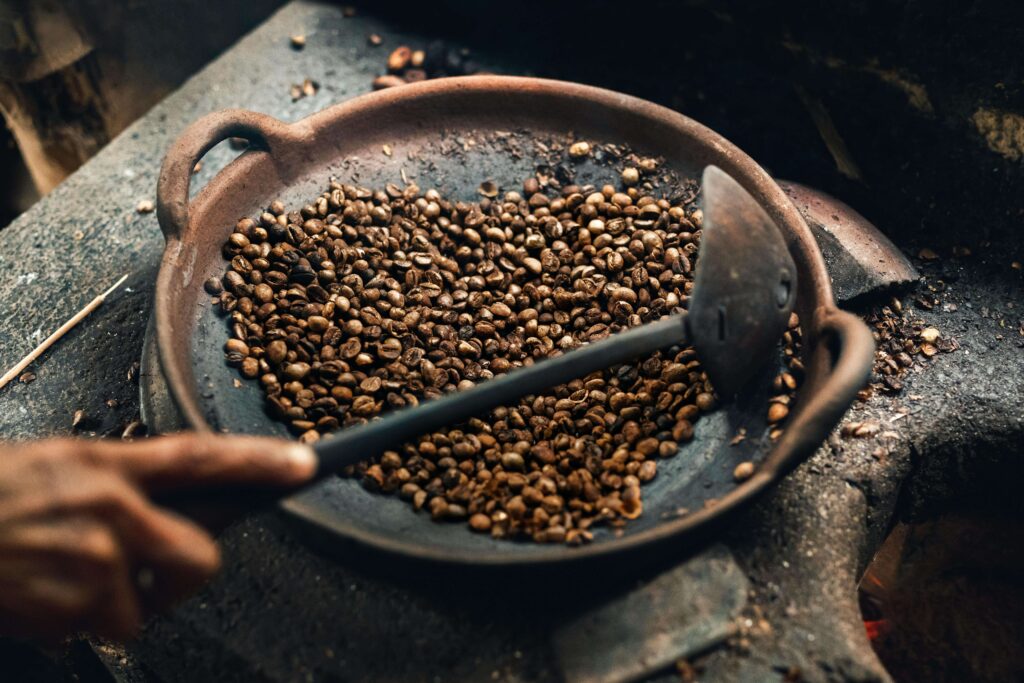
Roasting and cupping close the tour at most farms. You’ll watch a sample roast and then sit down with 4–6 cups brewed from beans at different roast levels or from different lots. A good guide walks you through identifying acidity (the bright, citrus-like quality), body (thickness in the mouth), sweetness, and finish. After an hour of tasting, you’ll never order “dark roast” without second-guessing yourself.
The Café Britt tour near Heredia offers a more theatrical, entertainment-focused version of this experience, which is genuinely fun for groups and families, though more polished than agricultural. For a more grounded, community-focused experience, Café Monteverde in the cloud forest runs a cooperative of 21 local families whose roots in coffee farming trace back to the 1930s. If you’re already visiting Monteverde’s cloud forest or hitting the Children’s Eternal Rainforest, their two-hour “seed to cup” tour makes an excellent morning before an afternoon hike.
If you want a deeper breakdown of specific farms and which one matches your travel style, the Costa Rica coffee farms guide covers the practical side so you’ll know which farms to skip, which offer the best value, and how to avoid the tourist-trap tours that charge full price for a mediocre experience.
Which Farms Are Worth the Drive?
The farm you choose should match your travel style and schedule if you’re already planning a Treetopia Park zipline day in Monteverde. Scheduling a Café Monteverde farm morning before the afternoon adrenaline makes efficient use of your time. Here’s what each major farm option delivers:
Doka Estate (Alajuela, Central Valley) is 40 minutes from San José and one of the most complete production experiences in the country. The historic wet mill has been running since the 1940s, and the operation covers everything from nursery to export. This tour is best for first-time farm visitors who want the full coffee journey in one place.
Finca Rosa Blanca (Heredia, West Valley edge) is organic and Rainforest Alliance certified. The tour covers sustainability and regenerative practices in detail, and the cupping session is well-guided. Their coffee won Best Coffee in Central America in 2023. This tour pairs well with a Central Valley driving loop that includes Poás Volcano.
Aquiares Estate (Turrialba, near Irazú/Turrialba zone) Costa Rica’s largest coffee farm by area at 1,482 acres (600 hectares), but the experience doesn’t feel industrial. The tour starts in the town itself, covers coffee agronomy and community history, and ends at a 98-foot (30-meter) waterfall on the property. The farm borders protected rainforest with 130+ bird species, so if you’re interested in diverse wildlife around Monteverde and similar cloud forest zones, Aquiares offers the opportunity to twitch while learning about your favorite beverage. Plan for a 4–5 hours round-trip from San José.
Café Monteverde (Santa Elena, Monteverde) is a cooperative of 21 local families and has a strong sustainability focus. It is best paired with a Monteverde cloud forest visit or the must-visit attractions like hanging bridges and the butterfly garden in the afternoon. The tour runs from October through March for the harvest experience.
North Fields (La Fortuna, near Arenal) is a two-hour tour of coffee and chocolate. Located near the Arenal region, the tour can combine well with spending time at the Arenal hot springs or an activity day around La Fortuna. It’s more casual and family-friendly than a pure specialty coffee experience.
Can You Do a Costa Rica Coffee Tour Without a Car?
Some Central Valley farms offer shuttle transfers from San José hotels, but your scheduling flexibility disappears when you depend on someone else for transportation. Farms like Doka Estate and Finca Rosa Blanca serve enough tourists that organized transport is in place, but they book out fast during harvest season, and you have to align with group departure schedules.
The bigger issue is that the farms worth visiting are often the ones farthest from San José. Aquiares near Turrialba, the smaller farms tucked into West Valley mountain towns, and Tarrazú operations in San Marcos or Santa María de Dota all require your own vehicle. If you’re building a week-long Costa Rica itinerary, pairing a morning farm tour with an afternoon volcano visit is genuinely easy with a car but is impossible with shared transport. And if you’re flying into Liberia instead of San José, Guanacaste’s lowland coffee farms are worth factoring into your route planning before heading to the beaches.
For first-time drivers in Costa Rica, Central Valley farm roads are straightforward: paved, well-signed, and mostly flat to gently rolling. The mountain approaches to Tarrazú are the exception and are the only routes where you’d want higher clearance and a vehicle appropriate for mountain terrain. Don’t let that put you off the region; just match your vehicle choice to your itinerary.
What Should You Bring Home From a Farm Tour?
Buying coffee at the source is almost always better value than airport duty-free or supermarket bags at home. At the farm, you’re purchasing from the producer at prices that reflect the quality you tasted during the tour without a retail markup. A few things to look for:
Buy green-label export-quality beans when offered. Farms that export specialty coffee sometimes make their highest-quality lots available in small bags on-site, which are the same beans sold to European and Japanese roasters.
Look for processing method labeling: washed/wet-processed (cleaner, brighter), natural/dry-processed (fruitier, more complex), and honey-processed (sweetness-forward, somewhere between the two). Most farms will have explained these during the tour, but it’s worth confirming which type you’re buying.
Vacuum-sealed whole beans travel better than pre-ground beans and will stay fresh for two to three weeks. Ground coffee goes stale within days of opening. If you’re taking a domestic flight before heading home, whole beans pack easily and aren’t subject to any special agricultural restrictions when exiting Costa Rica.
Check the roast date on the bag, as freshly roasted coffee from the farm will outperform anything that’s been sitting in a warehouse. If the bag shows a “best by” date but no roast date, then ask. Good farms roast to order or within a few weeks of selling.
If you’re traveling on a two-week itinerary with multiple regions, why not consider buying smaller quantities at each farm rather than loading up at the first stop? Comparing a Central Valley coffee to a Tarrazú brew at home is a great souvenir of your trip. Coffee from different farms makes for an interesting tasting once you’re home, and is a useful activity for anyone who enjoys the educational side of Costa Rica travel.
Costa Rica’s coffee tourism is accessible, educational, and genuinely connects you to how the country thinks about agriculture and quality. Book a morning tour early in your trip, and it will change how you see the rest of the country’s relationship to land and farming, from the Central Valley volcanic plains to the cloud forest slopes where Café Monteverde’s cooperative families have been growing since the 1930s. Whether you’re building a coffee-centric day trip from San José or combining a farm morning with wildlife viewing at Manuel Antonio National Park on the way to the coast, let Vamos help you plan the transport and get to the best farms on your own schedule, which is half the experience.
Frequently Asked Questions
Do I need to book Costa Rica coffee tours in advance?
Book in advance during harvest season (November–March), especially for smaller farms that cap group sizes. Doka Estate and Café Britt accommodate larger groups and may have same-day availability, but boutique farms like Aquiares and Finca Rosa Blanca fill up weeks ahead during peak season. Outside of the harvest, walk-in tours are generally possible at major farms.
How long does a typical Costa Rica coffee farm tour take?
Most complete farm tours run two to three hours, including a walk through the plantation, a processing facility visit, and a cupping session. Larger operations like Aquiares that include activities such as horseback riding or waterfall hikes extend that to four or five hours. Plan your itinerary with the longer option in mind so you don’t feel rushed during the cupping.
What’s the difference between a “washed” and “natural” processed Costa Rica coffee?
Washed (wet-processed) coffee has the fruit removed before drying, which produces a cleaner cup where the bean’s natural characteristics, such as acidity and brightness, are front and center. Natural (dry-processed) coffee dries inside the cherry to absorb fruit sugars and create a fuller body with more complex fruit and fermented notes. Honey processing falls between: some fruit mucilage is left on the bean during drying. Most tours will let you taste the difference side by side.
Are Costa Rica coffee tours suitable for non-coffee drinkers?
Yes, as the agricultural and environmental components are genuinely interesting, independent of whether you drink coffee. The farming practices, ecological certifications, cooperative structure, and the biology of how a tropical plant produces a globally traded commodity are engaging topics regardless. Some farms, like North Fields near La Fortuna, combine coffee with cacao and chocolate making, which appeals to visitors who care more about the chocolate end of the experience.
How much does a Costa Rica coffee farm tour cost?
Entry-level tours at Central Valley farms run $20–40 per person, including a cupping session. More comprehensive experiences with multiple farm sections, lunch, or activities (horseback riding at Aquiares, for example) range from $55–90 per person. Prices at boutique farms like Finca Rosa Blanca can run slightly higher due to small group sizes and certified-organic operation costs.
Can I bring coffee beans back to the United States?
Yes. Roasted coffee beans are generally permitted for import into the US without restriction. Green (unroasted) coffee beans are subject to USDA agricultural inspection and may be prohibited, so confirm current regulations before attempting to bring them back. Most farms sell roasted beans specifically packaged for travel, and farm staff are accustomed to answering questions about export.
Which coffee region produces the best coffee in Costa Rica?
This depends on what “best” means for your palate. Tarrazú produces the most internationally acclaimed and consistently high-scoring beans, characterized by bright acidity and complex dried-fruit flavors. West Valley coffees offer more diversity of processing methods and often more distinctive character. Central Valley coffees are the most approachable and reliable. If you can, taste all three during your trip and form your own opinion as a connoisseur of coffee tourism.
Is it worth doing a coffee tour if I’m only spending a few days in Costa Rica?
If you’re basing yourself near San José or the Central Valley, even briefly, then Doka Estate and Finca Rosa Blanca are within 45 minutes of the city for a half-day activity. If you’re focused on beach destinations in Guanacaste or the Southern Pacific, coffee tourism is harder to fit in without a dedicated detour, though North Fields near La Fortuna works well for anyone spending time in the Arenal region.