
Last Updated on July 31, 2026
Hacienda Barú: What's Covered
Hacienda Barú is an 815-acre private wildlife refuge near Dominical, right off the Costanera Sur (Route 34). Self-guided hiking runs $18; guided tours and the zipline range $35–95. It sits 20 miles south of Manuel Antonio on fully paved road, so any rental car reaches it.
Quick Facts:
- 4.3 mi (7 km) of mostly flat trails through rainforest, wetland, and beach
- Entry $18 self-guided; guided hikes $35–45, night walks $45–55, zipline $75–95
- Best wildlife window is 6–8 AM; 368 bird and 70 mammal species documented
- 45 min south of Quepos, 20 min north of Uvita on Highway 34
- Cabins on-site make dawn and dusk wildlife far easier to catch
Top 3 Ways to Visit:
- Self-guided half-day – Walk the Pizote and Saino trails for capuchins and coatis
- Guided hike – A naturalist with a scope spots the sloths you’d walk past
- Overnight – Night walks and 5:30 AM bird tours from your cabin
Pair it with a Central Pacific run past Marino Ballena or the birding hotspots further south. If you need any help with a Costa Rica car rental, contact us now!
If you’re driving down Costa Rica’s Central Pacific coast and want to experience genuine wildlife encounters without the Manuel Antonio crowds, Hacienda Baru delivers natural immersion. This 815-acre (330 hectares) private wildlife refuge near Dominical combines rainforest hiking, beach access, zipline adventures, and overnight stays into one easily accessible destination.
Unlike heavily touristed parks, Hacienda Baru operates as a working conservation project where reforestation efforts have transformed former cattle pastures into thriving jungle. You’ll find well-marked trails through multiple ecosystems, opportunities to spot sloths, monkeys, and toucans, plus a peaceful beach that most visitors to the area completely miss.
Key Takeaways
- Entry Cost: Self-guided hiking runs $18 per person; guided tours and activities range from $35-$95
- Location: 20 miles (32 kilometers) south of Manuel Antonio National Park, 2 miles north of Dominical on paved Highway 34
- Trail System: 4.3 miles (7 kilometers) of marked trails through rainforest, wetlands, and beach are all flat except one lookout trail
- Best Wildlife Viewing: Early morning (6-8 AM) for birds and monkeys; night tours for nocturnal species
- Time Needed: Half-day for self-guided hiking; full day to combine trails with zipline or guided tours
Where Is Hacienda Baru, and How Do You Get There?
Hacienda Baru Wildlife Refuge sits right off the Costanera Sur highway (Route 34), making it one of the most accessible nature reserves on Costa Rica’s South Pacific coast. The entrance is marked by a gas station about 2 miles north of Dominical.
Driving Times from Major Destinations
The refuge is ideally positioned for travelers exploring the Central Pacific region:
- From San José: 3.5 to 4 hours via Route 27 and the Costanera Sur
- From Manuel Antonio/Quepos: 45 minutes south on fully paved roads
- From Uvita: 20 minutes north along the coast
- From Liberia Airport: 4.5 hours following the Pacific coast route
The entire drive from either international airport follows paved roads suitable for any rental vehicle. Having your own car allows you to arrive during optimal wildlife hours and explore the surrounding Costa Ballena region at your own pace.
Why This Location Matters for Wildlife
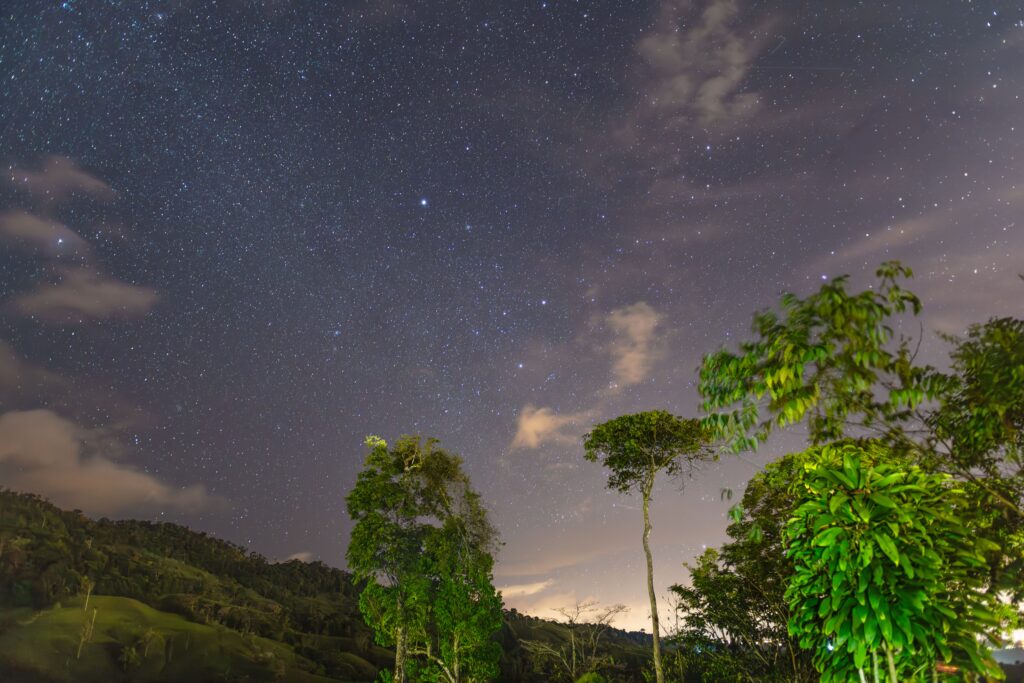
Hacienda Baru functions as part of the “Path of the Tapir Biological Corridor,” connecting Corcovado National Park to Manuel Antonio and the Los Santos Reserve. This corridor allows wildlife like tapirs, pumas, and jaguars to move through the region, which are species that had disappeared when the land was cleared for cattle ranching.
Since the conservation efforts began in 1976, the refuge has documented over 368 bird species and 70 mammal species across its diverse habitats. The Costa Rica Tourism Board recognizes this region as one of the country’s premier wildlife viewing destinations.
What Activities Does Hacienda Baru Offer?
The refuge balances accessible self-guided experiences with more immersive guided tours. Here’s what’s available and what each actually involves.
Self-Guided Hiking Trails
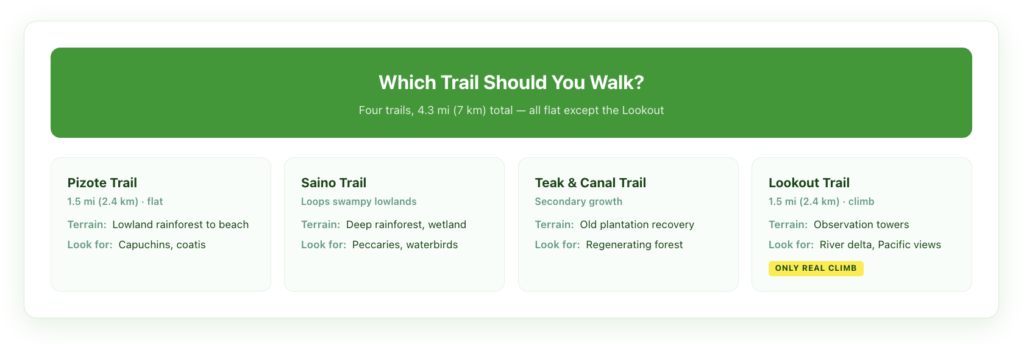
Four main trails totaling 4.3 miles (7 kilometers) wind through the property. Most visitors can complete all trails in 3-4 hours, though wildlife watchers often spend an entire day.
Pizote Trail runs about 1.5 miles (2.4 kilometers) through lowland rainforest and connects to the beach. This trail offers the best chance of spotting capuchin monkeys in the canopy and coatis foraging along the forest floor. The terrain stays flat and is manageable for all fitness levels.
Saino Trail loops through swampy lowlands where you might encounter peccaries (wild pigs) and various waterbirds. Combined with the Pizote Trail, you’ll cover about 2.8 miles (4.5 kilometers) through deep rainforest.
The Teak and Canal Trail passes through secondary growth forest and along old plantation areas, demonstrating how the land has recovered since cattle ranching ended.
Lookout Trail is the only trail with a significant elevation change. The 1.5-mile (2.4 kilometers) path climbs to observation towers offering views of the Baru River delta, Dominical beach, and the Pacific Ocean. This trail provides excellent bird-watching opportunities, although the ascent can be challenging in humid conditions.
Why Consider a Guided Tour?
While trails are well-marked for independent exploration, guides dramatically increase your wildlife sightings. Is a sloth hidden 40 feet (12 meters) up in the canopy? You’ll walk right past it without trained eyes to help you spot the camouflaged fur against the leaves.
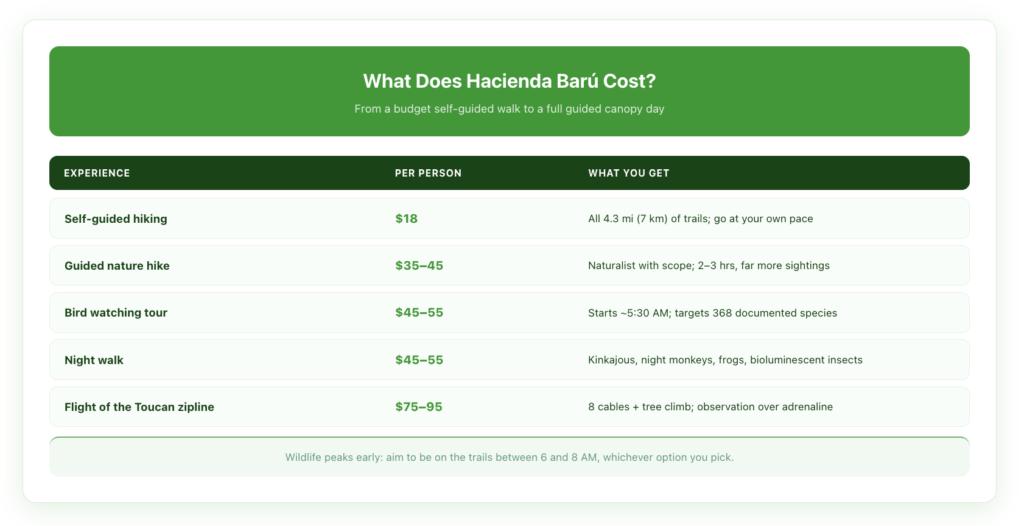
Guided hiking tours cost around $35-45 per person and typically last 2-3 hours. Guides carry spotting scopes and know exactly where specific species tend to congregate at different times of day. The knowledgeable naturalists employed here have spent years learning the property’s wildlife patterns.
Flight of the Toucan Zipline
The canopy tour at Hacienda Baru differs from the adrenaline-focused ziplines found elsewhere in Costa Rica. Eight cables pass through the forest at moderate heights and speeds, which are designed more for ecological observation than pure thrill-seeking.
The tour includes guided tree climbs and an electric winch-driven “cable elevator” so you can explore the canopy environment at a relaxed pace. This makes the zipline ideal for families with children or first-time zipliners who want to actually see the forest rather than blur past it at high speed.
Zipline tours run approximately $75-95 per person and require advance booking, especially during the dry season.
Night Walks and Bird Watching Tours
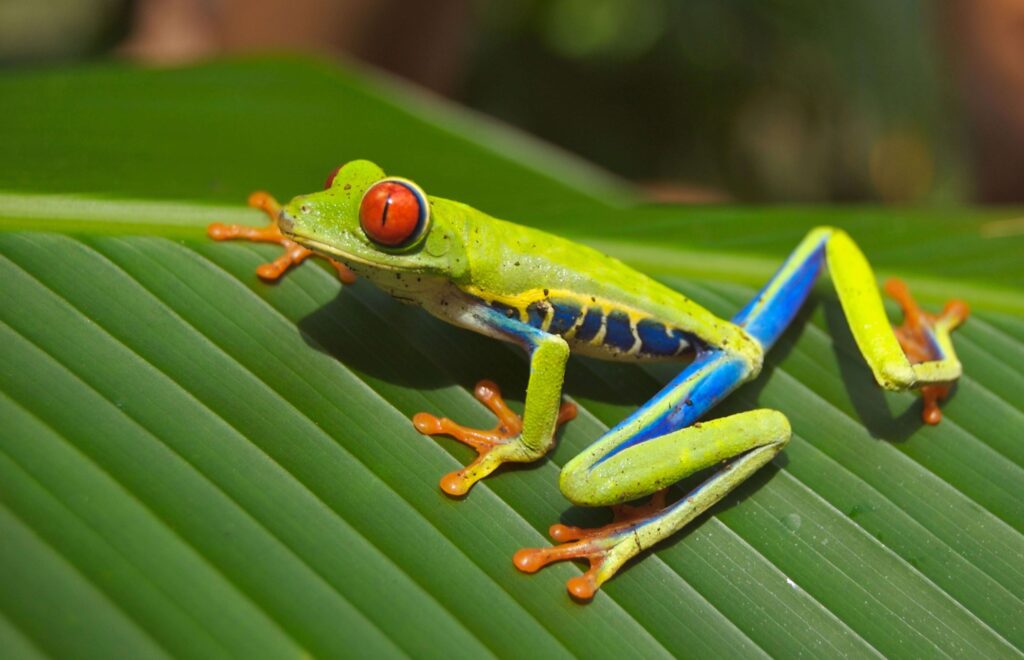
Some of the refuge’s most fascinating wildlife only appears after dark. Night walks reveal kinkajous, night monkeys, owls, tree frogs, and bioluminescent insects that remain hidden during daylight hours. These guided experiences cost around $45-55 per person.
The early morning bird watching tours (starting around 5:30 AM) target the 368 documented bird species, including scarlet macaws, toucans, trogons, and motmots. Serious birders often consider Hacienda Baru one of Costa Rica’s underrated destinations, particularly for lowland rainforest species.
What Wildlife Will You Actually See?
Realistic expectations matter when visiting any wildlife refuge. Here’s what commonly appears at Hacienda Baru and how to maximize your chances.
Commonly Spotted Species
Three-toed sloths hang in cecropia trees along most trails, although their excellent camouflage makes them tricky to spot without guides. The parking lot trees are actually a reliable spot, and visitors frequently photograph sloths here before even entering the trail system.
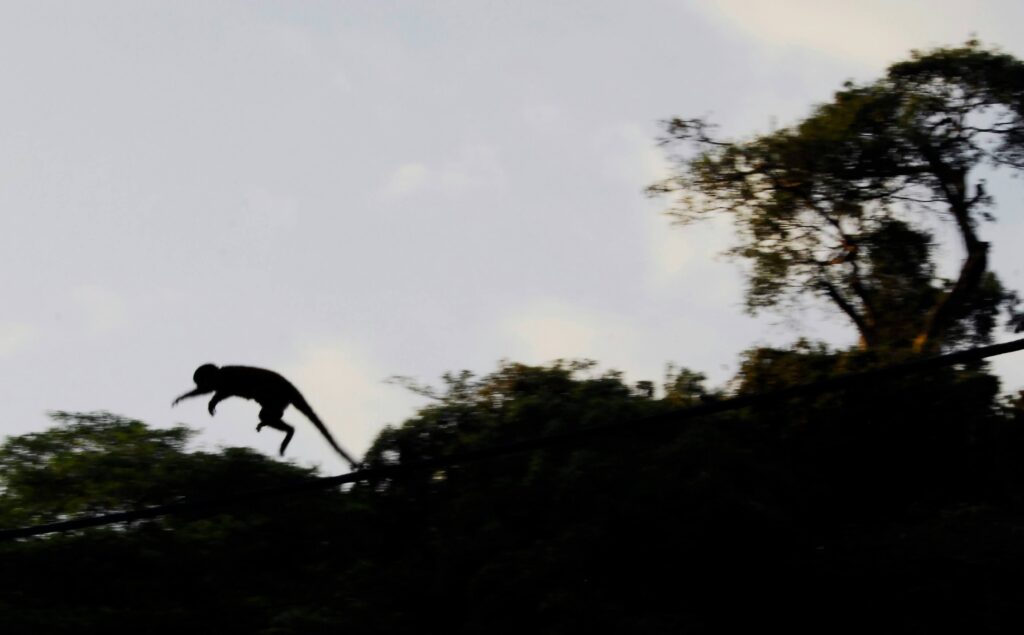
White-faced capuchin monkeys are the most active and visible primates on the property. They travel in troops and often approach curious visitors. You’ll hear them rustling through branches long before you see them.
Howler monkeys make their presence known vocally, with calls that can be heard from miles away. They’re more commonly heard than seen, but patient observers can usually locate them high in the canopy.
Coatis (members of the raccoon family) forage openly along forest floors and trails. These gregarious mammals often travel in groups and have become somewhat habituated to human presence.
Scarlet macaws fly over the refuge in pairs, particularly during early morning and late afternoon. Their brilliant red, yellow, and blue plumage makes them unmistakable even at a distance.
Less Common But Present
The refuge provides habitat for pumas, ocelots, tapirs, and jaguars, although sightings remain rare. Camera traps have documented these elusive predators using the biological corridor, which proves the conservation efforts work even when visitors don’t witness them directly.
Sea turtles nest on Playa Baru, and the refuge operates a turtle egg incubation program to protect nests from poaching. Volunteers regularly patrol the beach during nesting season, and lucky visitors may see hatchlings making their way to the ocean.
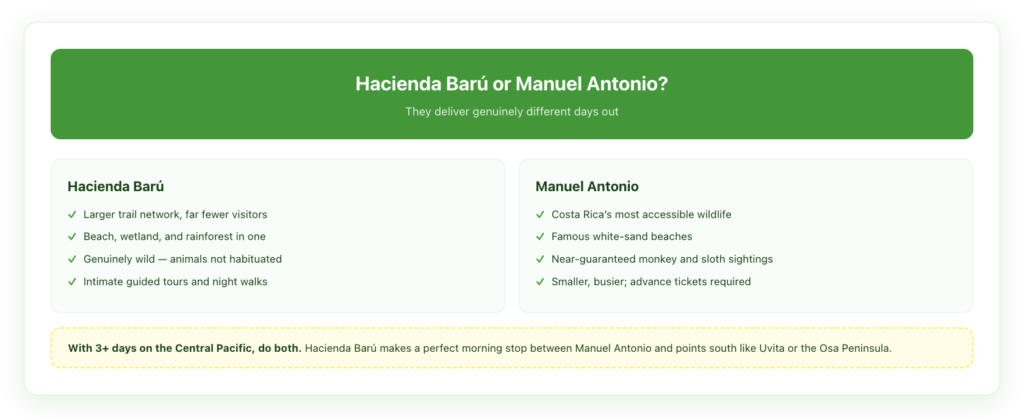
How Does Hacienda Baru Compare to Manuel Antonio?
Many travelers debate whether to visit Hacienda Baru, Manuel Antonio National Park, or both. The experiences differ significantly.
Hacienda Baru offers larger trail networks, far fewer visitors, more diverse ecosystems (including beach access and wetlands), and intimate guided experiences. The wildlife is genuinely wild rather than habituated to constant human presence. However, it lacks Manuel Antonio’s famous white-sand beaches and the guaranteed wildlife sightings that come from highly habituated animals.
Manuel Antonio delivers Costa Rica’s most accessible wildlife viewing, with monkeys and sloths appearing regularly near beaches and main trails. The park is smaller, more crowded, and requires advance ticket purchases. It’s perfect for travelers who want near-guaranteed wildlife photos with minimal hiking effort.
If your Costa Rica itinerary includes 3+ days in the Central Pacific region, visiting both makes sense. Hacienda Baru works perfectly as a morning stop while traveling between Manuel Antonio and destinations further south like Uvita or the Osa Peninsula.
Can You Stay Overnight at Hacienda Baru?
The Hacienda Baru Lodge offers cabin accommodations for travelers who want more than a day visit. Staying overnight provides access to night walks, early morning bird watching, and the peaceful experience of having the trails largely to yourself at dawn and dusk.
What the Lodge Includes
Cabins are modest but comfortable, with air conditioning, private bathrooms, and porches overlooking the gardens. The property has a pool, an orchid garden, and an open-air restaurant serving traditional Costa Rican dishes at reasonable prices.
Room rates typically include breakfast, and multi-day packages combining accommodation with tours offer the best value. The lodge maintains a relaxed atmosphere that contrasts sharply with the resort hotels around Manuel Antonio.
Is Overnight Worth It?
For serious wildlife enthusiasts and bird watchers, absolutely. Dawn and dusk produce the most wildlife activity, and staying on-site means you’re already in position when animals are most active. The night walks and early morning tours become far more accessible when you’re not driving from an outside hotel.
For travelers with limited time, a half-day or full-day visit works perfectly well. You’ll see plenty of wildlife and experience the trails without needing to overnight.
What's the Best Time to Visit Hacienda Baru?
Seasonal Considerations
Dry season (December through April) offers the most pleasant hiking conditions with minimal rain and easier trail access. This coincides with Costa Rica’s peak tourist season, although Hacienda Baru never gets the crowds that flock to major national parks.
The green season (May through November) brings afternoon rain showers that usually clear by evening. The forest appears more lush and vibrant, bird activity increases, and you’ll encounter fewer visitors. Trails can become muddy, but the refuge maintains them well. This season offers excellent value throughout the region.
Time of Day Matters More
Wildlife activity peaks during early morning (6-8 AM) and late afternoon (4-6 PM), regardless of season. Midday visits mean hotter conditions and animals resting in hidden spots. If you’re driving from San José or Arenal, consider staying overnight in Dominical or Uvita to arrive at the property at the best time.
What Should You Bring to Hacienda Baru?
The refuge operates in a humid tropical environment where conditions change quickly. Pack accordingly:
- Sturdy, closed-toe hiking shoes that can handle muddy sections
- Light, breathable clothing in neutral colors (bright colors can startle wildlife)
- Rain jacket or poncho, even in the dry season because afternoon showers occur.
- Binoculars, if you have them (guides provide spotting scopes)
- Insect repellent with DEET for lowland forest mosquitoes
- Sunscreen for the beach sections and the lookout tower
- Water bottle and snacks (the on-site restaurant serves meals, but bring water for trails)
- A camera with a zoom lens for wildlife photography
The refuge entrance includes restrooms, a small gift shop, and the restaurant. Lockers are available for storing valuables during activities.
Nearby Attractions Worth Combining
Nauyaca Waterfalls
Located about 35 minutes inland from Dominical, Nauyaca Waterfalls has two impressive cascades with large swimming areas. You can hike, ride horseback, or take a 4×4 truck to reach them. This pairs perfectly with a morning at Hacienda Baru for a full day exploring the region.
Dominical Beach and Surf Scene
Just 2 miles (3.2 kilometers from the refuge, Dominical offers a lively surf town atmosphere with restaurants, bars, and spectacular sunsets. The beach breaks work for beginners and experienced surfers alike. Grab dinner here after an afternoon at Hacienda Baru.
Marino Ballena National Park
Twenty minutes south in Uvita, this park features the famous whale tail-shaped sandbar and serves as one of the best locations in Costa Rica for whale watching (July through October and December through March).
Rainmaker Conservation Park
Another quiet alternative to Manuel Antonio, Rainmaker sits in the mountains above the coast with hanging bridges and pristine primary rainforest. The trails are more challenging than Hacienda Baru, but reward fit hikers with incredible biodiversity.
How to Integrate Hacienda Baru Into Your Costa Rica Trip
If You’re Driving the Pacific Coast
Hacienda Baru makes an ideal morning or afternoon stop when traveling between Manuel Antonio and destinations south. Leave Quepos early, spend 3-4 hours at the refuge, then continue to Uvita or Dominical for an overnight stay. This approach lets you experience genuine wildlife without feeling rushed.
If You’re Based in the Area for Multiple Days
Combine Hacienda Baru with other Central Pacific attractions. Day one: Manuel Antonio. Day two: Hacienda Baru morning, Nauyaca Waterfalls afternoon. Day three: Marino Ballena or whale watching tour. This itinerary covers the region’s highlights without excessive driving.
Vehicle Recommendations
The Costanera Sur highway to Hacienda Baru is fully paved and accessible with any vehicle type. However, if you’re continuing to destinations like the Osa Peninsula, Santa Teresa, or Monteverde, a 4×4 SUV provides flexibility for unpaved roads.
Frequently Asked Questions
How much does it cost to go to Hacienda Baru?
Self-guided trail access costs $18 per person. Guided hiking tours run $35-45, the Flight of the Toucan zipline is $75-95, and night walks are approximately $45-55. Combination packages offer better value if you’re planning multiple activities. Lodge accommodations with breakfast range from $80-150 per night, depending on the season.
What is the best time to visit Costa Rica for wildlife?
For Pacific coast destinations like Hacienda Baru, the green season from May through November actually produces excellent wildlife viewing—animals are more active, vegetation is lush, and crowds are minimal. Dry season (December-April) offers easier trail conditions but higher visitor numbers. Time of day matters more than season: arrive by 7 AM or visit after 4 PM for peak animal activity.
Is Costa Rica considered a jungle or a rainforest?
Costa Rica contains both. “Rainforest” refers specifically to forests receiving over 80 inches of annual rainfall, and the Osa Peninsula, Caribbean lowlands, and areas like Hacienda Baru qualify as rainforest. “Jungle” is a broader term describing dense tropical vegetation. Hacienda Baru includes primary rainforest, secondary growth, wetlands, and coastal ecosystems within its 815 acres (330 hectares).
What are the different types of rainforest in Costa Rica?
Costa Rica’s rainforests are classified by elevation and moisture: lowland tropical rainforest (sea level to 2,600 feet, like Hacienda Baru and Carara), premontane rainforest (2,600-5,900 feet), and cloud forest (above 4,900 feet, like Monteverde). Each supports distinct species communities adapted to specific temperature, humidity, and elevation conditions.
Do I need a guide at Hacienda Baru, or can I go alone?
Trails are well-marked and safe for independent exploration. However, guides increase wildlife sightings dramatically, and you’ll likely spot 3-4 times more animals with trained eyes helping you. For night walks and the archaeology tour (which visits petroglyphs and burial sites), guides are required. If you only have time for self-guided hiking, the Pizote and Saino trail loop offers the best independent wildlife viewing.
Can you see sloths at Hacienda Baru?
Yes, three-toed sloths are regularly spotted throughout the property, including in trees near the parking lot and along the Pizote Trail. Guides know the current locations of resident sloths and can point them out directly. Your best chances come during early morning when sloths are more active, though they can be spotted throughout the day with patience.
Is Hacienda Baru good for families with children?
The flat terrain on most trails makes this an excellent family destination. Children enjoy spotting monkeys and coatis along the paths, and the zipline tour is designed for all ages and comfort levels rather than extreme thrills. The on-site pool and beach provide alternatives when young hikers need a break. Many families find Hacienda Baru less overwhelming than the crowded conditions at Manuel Antonio.
How difficult is the hiking at Hacienda Baru compared to Rainmaker?
Hacienda Baru trails are significantly easier. All trails except the Lookout path remain flat, following former farm roads and established forest paths. Rainmaker Conservation Park involves steeper terrain with challenging inclines and requires greater fitness. If you’re comfortable walking on level ground for 2-3 hours in humid conditions, you can handle Hacienda Baru trails comfortably.